



























Zurich, 18 September 2026 — EBM Weekend Read — By Nick Staunton, Editor-in-Chief
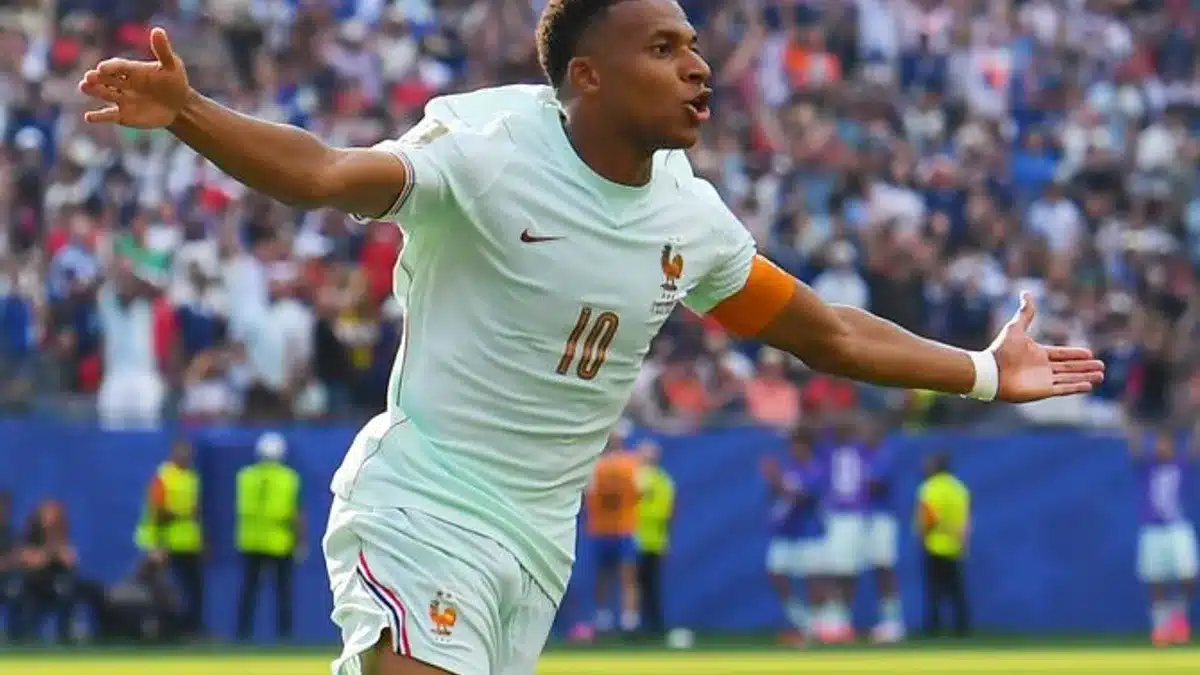
Kylian Mbappé has ended a two-decade relationship with Nike — a partnership that began when he was a child at AS Bondy — to join On, the Swiss sportswear brand majority-associated with Roger Federer. He isn’t arriving alone. Thierry Henry, the 1998 World Cup winner, joins as On’s newly created Director of Football, a genuine operational role rather than an ambassadorship. Sydney Schertenleib, the Swiss international and Barcelona player who already worked with On on training and lifestyle product, is moving into football product development specifically to shape the women’s game. On has never sold a football boot in its sixteen-year history. It plans to release its first one in 2027, with Mbappé positioned as the face of that launch.
The Deal Itself
 On has confirmed the financial structure without disclosing numbers: Mbappé’s contract combines cash and equity, mirroring the arrangement On built with Federer, who became a shareholder in 2019 rather than a conventional paid endorser. That distinction matters more than it might first appear. A cash-only endorsement is a marketing expense that ends when the contract does. Equity ties Mbappé’s financial outcome to On’s actual performance as a business — if the football push works, he profits as a shareholder, not just as a spokesman. EBM has tracked this shift across elite sport already: modern athletes increasingly demand equity over fees precisely because they’ve watched the value created by their endorsements flow entirely to the brand’s shareholders while they collected a fixed cheque. Henry’s Director of Football title suggests a similar logic applied to expertise rather than just fame — he’s reportedly involved in athlete relationships, product development and broader football strategy, not simply lending his name to a boot he had no hand in designing.
Join The European Business Briefing
New subscribers this quarter are entered into a draw to win a Rolex Submariner. Join 40,000+ founders, investors and executives who read EBM every day.
Subscribe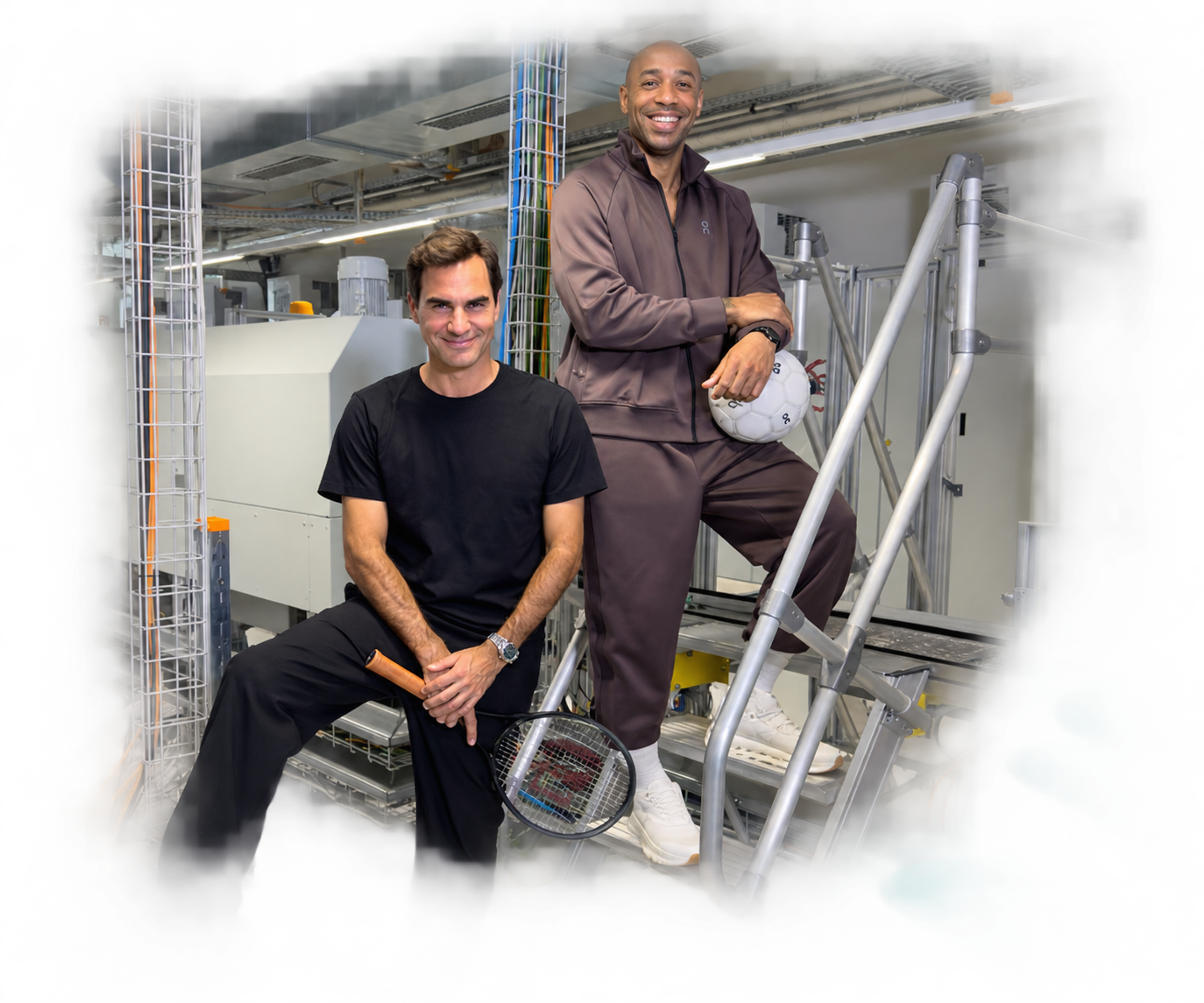
Why Now, and Why This Way
Mbappé’s exit is the second high-profile departure from Nike’s roster in short order, following Lamine Yamal’s move to Adidas — a pattern consistent with the broader strain Nike’s own culture and product pipeline have been under. Nike’s problem was never really about marketing; it was a company that damaged its own wholesale relationships during Covid and then launched just two new running shoes in 2024 against eleven from Asics, leaving room for challengers like Hoka and On to take real share in adjacent categories. Football boots are a far more concentrated market than running shoes, though — a genuinely difficult one to enter from the outside, which is exactly why On is trying to buy its way in with the two most bankable names in the sport rather than relying on product alone to win attention.
The football boot market alone was valued at roughly $25.5 billion in 2025, projected to reach nearly $47 billion by 2034. Nike and Adidas have effectively split this category for three decades, with Puma a distant third and the rest of the field — Umbro, Mizuno, Under Armour, various Chinese and Japanese brands — fighting for scraps. On currently holds an estimated 2% of the entire athletic footwear market globally, a rounding error next to Nike’s 27-30% share. Entering football specifically means competing in a category built on decades of on-pitch trust: professional players don’t switch boots casually, because a boot that fails under professional-level torque and studs-in-turf pressure isn’t a brand embarrassment, it’s a potential injury. That’s precisely why Henry’s operational role matters more than a normal ambassador deal would — On needs footballers who understand the sport’s specific demands actually inside the product process, not just endorsing it after the fact.
On’s one genuine structural advantage is LightSpray, its robotic, largely automated manufacturing technology that builds a shoe’s upper by spraying material directly onto a last rather than cutting and stitching fabric panels — a manufacturing approach unlike anything Nike or Adidas currently use at scale. Whether that translates into a football boot that professional players actually trust on matchday is a different question entirely from whether it works for a running shoe, and it’s the question On’s 2027 launch will have to answer in public, under a level of scrutiny running shoes never face.
The Bottom Line: This deal is a bet that star power and manufacturing novelty can compress a multi-decade trust gap in a category where trust is usually earned boot by boot, tournament by tournament, over years. Mbappé’s equity stake means his own financial outcome is now tied to whether that bet pays off, which is a genuinely different incentive than any previous Nike or Adidas deal gave him. On has bought itself the two most credible names available to shortcut football’s usual scepticism toward new boot brands. It hasn’t yet made a boot good enough to justify that credibility — and until 2027, neither Nike nor Adidas has any reason to feel seriously threatened.