


























Brussels, 8 October 2026 — EBM Newsdesk Analysis — By Nick Staunton
EU trade commissioner Maroš Šefčovič is in Beijing for two days of last-ditch talks with Commerce Minister Wang Wentao, according to the Financial Times. His main aim is to get China to limit exports of cheap hybrid cars to Europe. This is the second round of talks after Šefčovič’s earlier meeting with Wang, and the pressure has risen. Brussels set October as the deadline for “tangible” results, and EU leaders meet on 15–16 October.
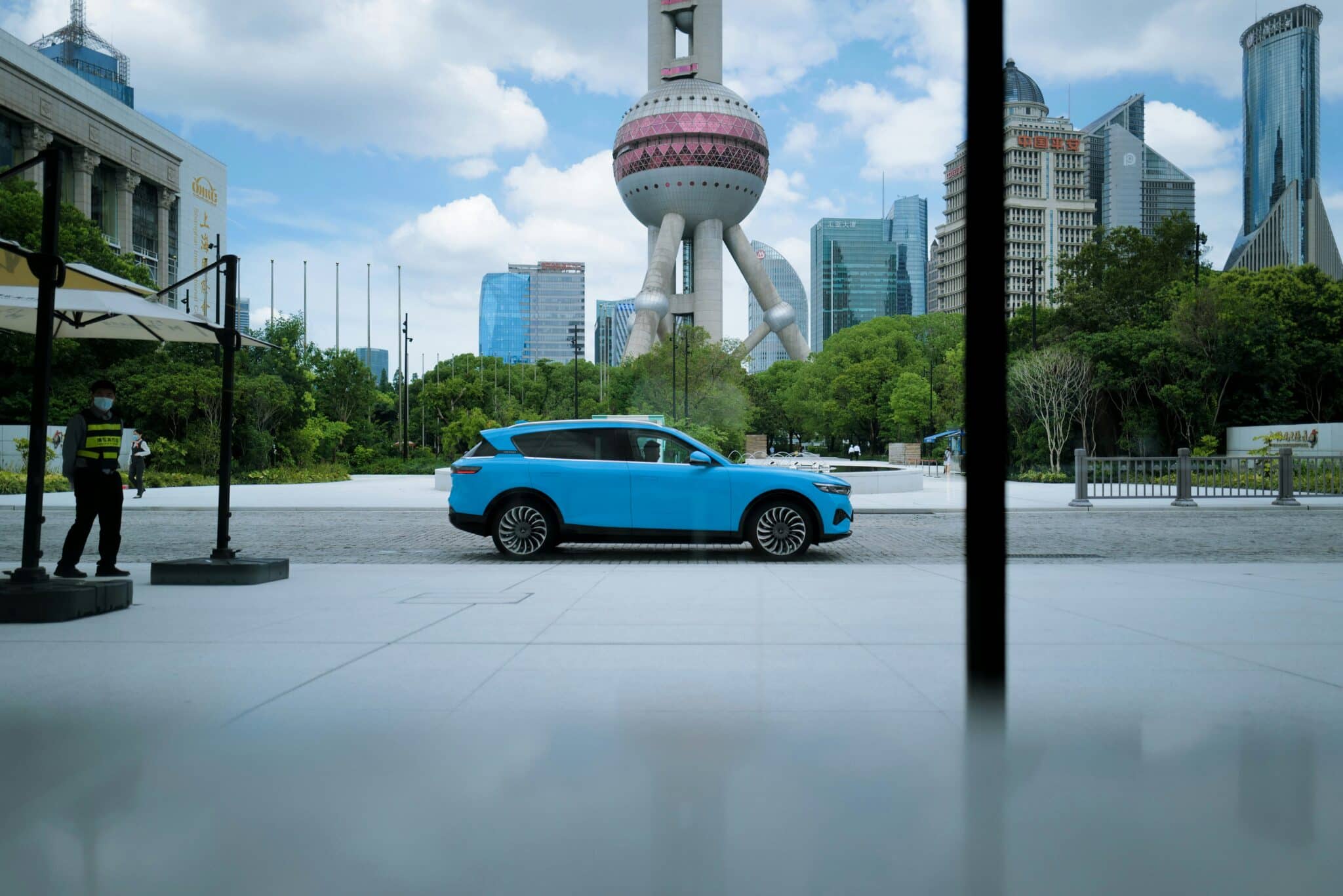
The car dispute shows how Europe’s trade defences can be got round. In October 2024 the EU put tariffs on Chinese electric vehicles. Hybrids were not covered, so Chinese carmakers started exporting plug-in hybrids instead. Brussels is now trying to close the gap it left open.
A €1bn-a-Day Problem
The car dispute is part of a much bigger imbalance. The EU’s trade deficit with China has reached a record €1bn a day, and Brussels expects it to pass €400bn this year. China’s exports to the EU rose 15.3% in the first eight months of 2026, while its imports from the EU rose only 6.2%. Industry Commissioner Stéphane Séjourné says Europe lost 250,000 industrial jobs last year. Ursula von der Leyen has called it a “China shock”, comparing it to what US manufacturing went through in the early 2000s.
Join The European Business Briefing
New subscribers this quarter are entered into a draw to win a Rolex Submariner. Join 40,000+ founders, investors and executives who read EBM every day.
SubscribeCarmakers are the most exposed. BMW is investing €2bn in German factories while its rivals cut capacity. A surge of cheap Chinese hybrids would undercut the cars European factories are relying on to get through the shift to electric, just as high fuel prices are already pushing drivers towards electric cars.
What Brussels Wants
Last month the EU asked China to limit hybrid exports voluntarily and warned that quotas could follow if it didn’t. Officials hope for a “proof of concept” deal covering cars that could later be applied to other sectors. China has already rejected voluntary limits on electric cars, calling them a breach of fair competition.
This time the EU has more leverage. Germany’s Friedrich Merz has now backed Emmanuel Macron’s proposal for an instrument that would let the EU quickly cut a country’s access to the single market. Handelsblatt called the German shift “nothing less than an economic turning point”. The European Parliament voted 454 to 86 for a tougher line on China. Denis Redonnet, the EU’s chief trade-defence official, put it bluntly: “Dialogue alone will not be enough.”
What Beijing Has
China has its own leverage. Days before the talks it opened an anti-dumping investigation into an EU chemical export, which was widely seen as a warning. The truce on rare earth exports expires on 10 January 2027, and Europe’s carmakers and defence companies depend on those minerals. Andrew Small, a former EU adviser on China, warns that Beijing’s best tactic may be to draw Europe into a “process trap”, with endless talks and nothing actually agreed.
Europe is also divided. Spain’s Pedro Sánchez has visited Beijing four times in three years. And Europe has always been slower to act on trade than Washington or Beijing.
What I Think
Šefčovič is likely to come back with something, probably a limited deal on hybrids that both sides can describe as progress. That would be a mistake if it were all he got. The hybrid gap shows that China works around each tariff the EU imposes. Europe’s leverage is access to its 450 million consumers, and Germany is finally willing to use it. If Beijing offers only more talks, EU leaders should approve the new instrument next week and impose hybrid quotas before the end of the month.
Related Analysis