































London, 6 October 2026 — EBM Newsdesk Analysis — By Brad Adams
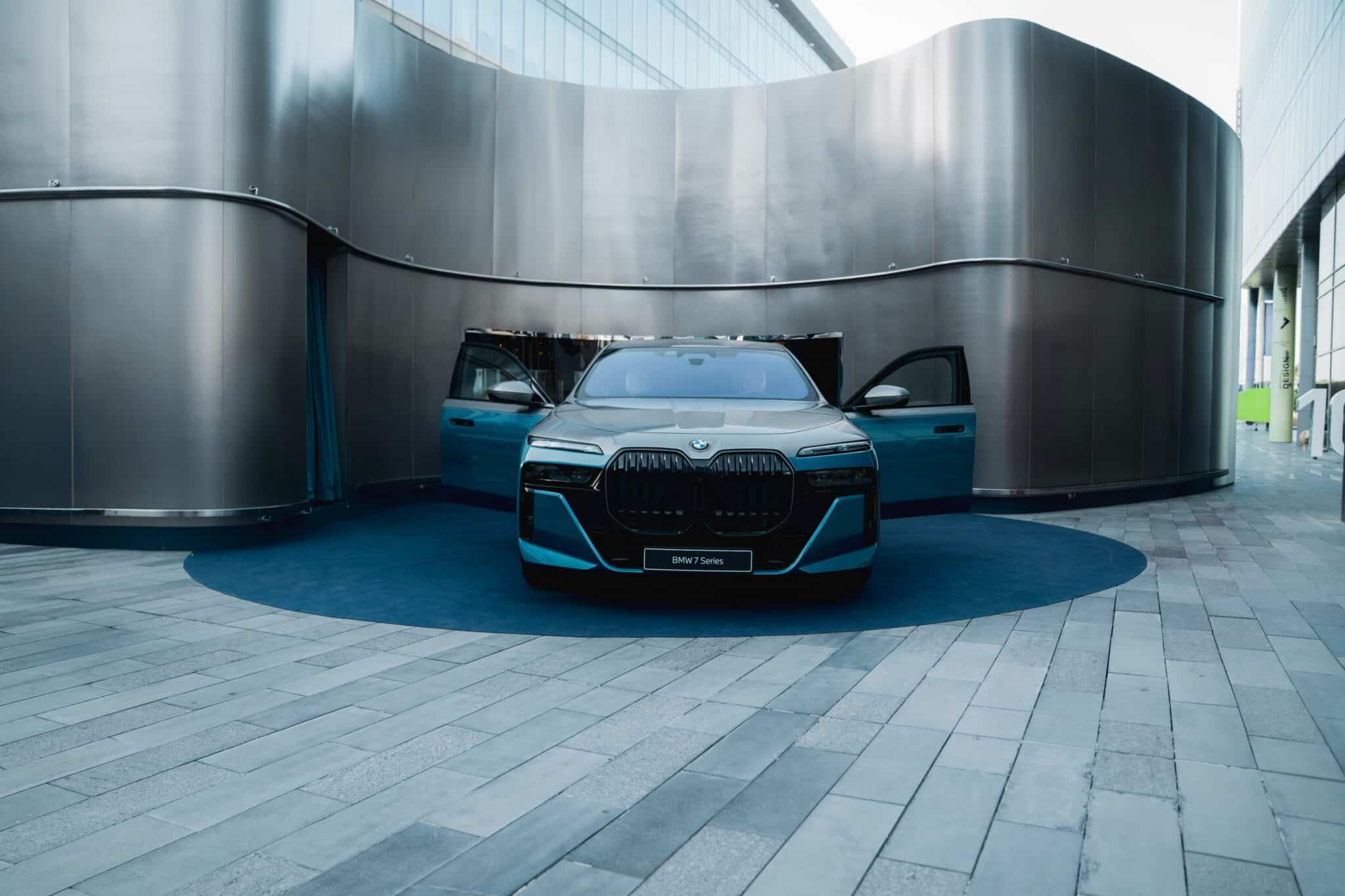
On Wednesday, 30 September, BMW said it would invest around €2bn in German car and battery production for its new 3 Series, its best-selling model. Around €1bn will upgrade its Munich and Dingolfing plants, and another €1bn goes into a new battery plant at Irlbach-Straßkirchen in Bavaria. The Munich plant, which is more than a century old, will build only electric cars from 2027, starting with the new all-electric i3. The surprise is the timing. BMW is making this bet on Germany while it cuts 8,000 jobs and its rivals shrink their German factories.
This matters well beyond Bavaria. Germany’s car industry is in its deepest crisis in decades. German industrial companies cut 124,000 jobs last year, about double the 2024 figure, with most of the losses in the car sector. Volkswagen is weighing up to 100,000 job cuts across its ten brands, and Mercedes-Benz is running its own voluntary redundancy scheme. BMW is the first big German carmaker to say, with real money, that building cars in Germany still makes sense.
Where the Money Goes
The plan centres on the eighth-generation 3 Series, the car that has defined BMW since 1975. Around 18 million have been built, 15 million of them in Germany. The electric i3 version will be built in Munich, while petrol and plug-in hybrid versions will come from Dingolfing.
Join The European Business Briefing
New subscribers this quarter are entered into a draw to win a Rolex Submariner. Join 40,000+ founders, investors and executives who read EBM every day.
SubscribeThe battery plant is the strategic piece. From October it will supply sixth-generation high-voltage batteries to Munich, bringing a core part of electric car production back to Germany instead of importing it. BMW also said that around 760 supplier sites feed its Munich and Dingolfing plants, so the investment supports a wide network of smaller German companies too.
Germany remains central to BMW. It builds more than a million vehicles a year there, around a quarter of the country’s total car production, and about 55% of its staff work in Germany.
The Paradox: Cutting Jobs While Investing
The same company is also shrinking. BMW will offer voluntary redundancy to about 40,000 of its 85,000 permanent German employees from this month, aiming to cut 8,000 jobs by the end of 2027. Production line workers are spared. The cuts fall on office and administrative staff.
That tells you how BMW sees its problem. It doesn’t think German factories are too expensive. It thinks it has too many layers of management and takes too long to develop cars. It is simplifying its model range, shortening development times and using AI to cut costs, while protecting the factories that build its cars.
The pressure is real. BMW has issued three profit warnings in three years. It cut its outlook to a margin as low as 1% in its car business, blaming weak demand in China and higher costs linked to the Iran war. Its operating profit fell 37% in the first half of the year, and its sales in China dropped 19%.
Germany’s Bigger Problem
BMW’s rivals are taking a different route. Volkswagen is planning to cut 500,000 units of capacity. Mercedes-Benz has more than doubled the size of its plant at Kecskemét in Hungary, now its largest in Europe. BMW itself opened a plant in Hungary last year. Lower-cost Eastern Europe is winning investment that once went to Germany.
The pressures behind it are familiar. Chinese competitors are winning market share at home and abroad, and Beijing is now threatening to hit back against European trade defences. Energy costs are high, and the oil shock is now turning political across Europe. Brussels has also softened some green rules in its competitiveness drive, giving carmakers more breathing room on emissions targets.
Demand for electric cars is one bright spot. The fuel price surge has pushed drivers towards electric cars faster than years of climate policy did. An electric-only plant in Munich is a bet that this shift will last.
Where I Land
BMW is making the right bet, for the right reason. It is cutting overheads, not production, and investing where it can still compete: high-value, high-tech cars and batteries. That is a better answer than simply moving everything east. But one company’s confidence doesn’t fix Germany’s problem. Energy costs, slow approvals and Chinese competition still weigh on everyone. BMW has shown that German car manufacturing can have a future. Whether the rest of the industry follows depends on Berlin as much as Munich.
Related Analysis






