































London, 6 October 2026 — EBM Newsdesk Analysis — By Katie Winearls
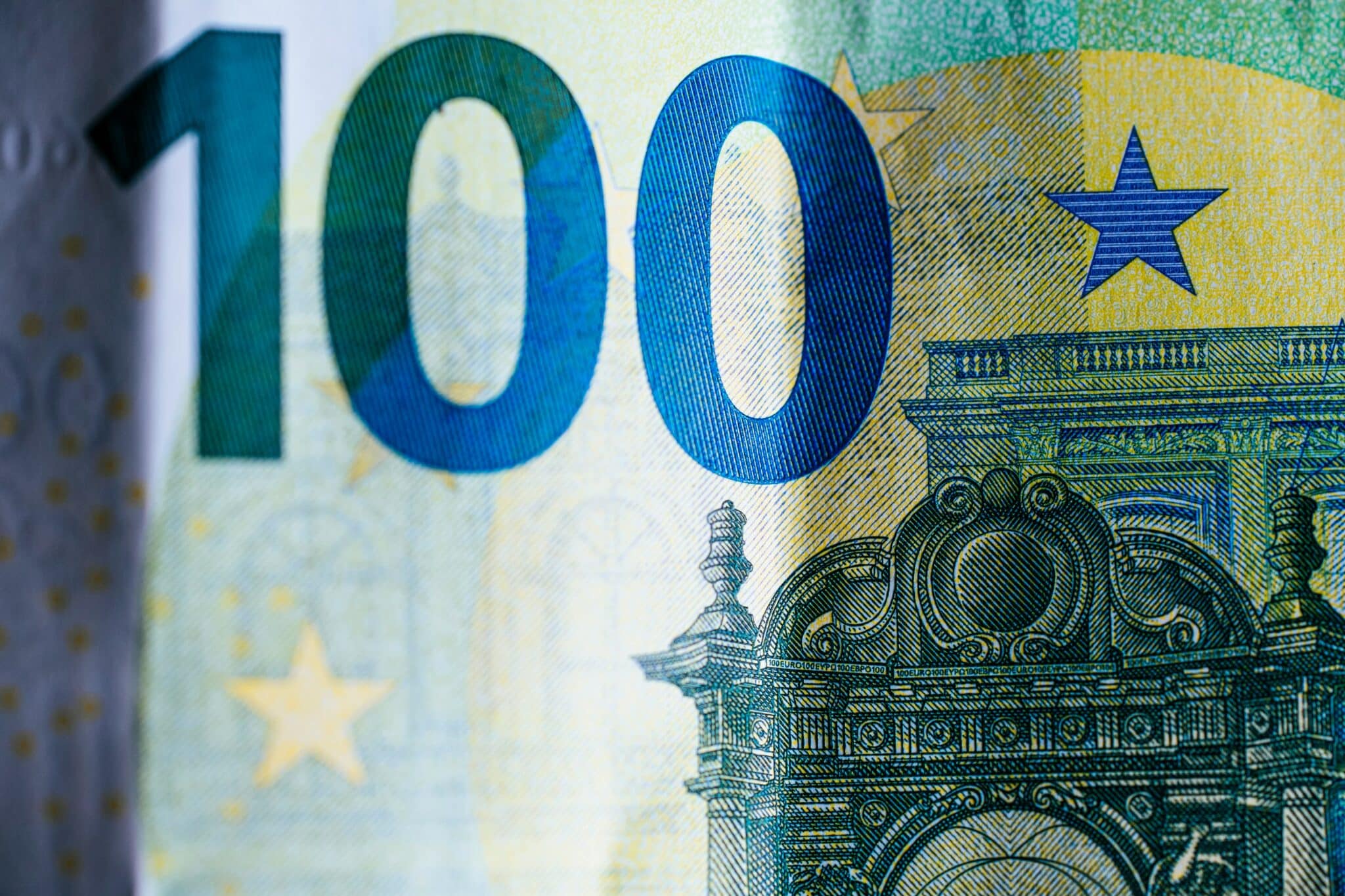
On Monday, 5 October, the euro fell more than 0.75% to $1.1214, its weakest level in 17 months, as a sell-off in French government bonds deepened. The dollar climbed back towards levels last seen before Donald Trump’s “Liberation Day” tariffs in April 2025. The trigger was France’s budget, which was supposed to reassure investors. According to Deutsche Bank’s Jim Reid, the gap between French and German 10-year borrowing costs widened by 13.9 basis points in a single day, its biggest jump since March 2020.
This is now a eurozone problem, not just a French one. A weaker euro makes every barrel of dollar-priced oil more expensive for Europe at the worst possible moment, with Brent above $100. It also shows how quickly one member state’s finances can drag down the whole currency. Investors are treating France as the eurozone’s new problem borrower, and the euro is paying the price.
Why the Budget Failed
Paris proposed a 2027 budget with €43bn of spending cuts and tax rises. It includes caps on pension and public-sector pay rises and a slowdown in state spending growth. Finance minister Roland Lescure said it would put France back on the path to lower deficits.
Join The European Business Briefing
New subscribers this quarter are entered into a draw to win a Rolex Submariner. Join 40,000+ founders, investors and executives who read EBM every day.
SubscribeMarkets weren’t convinced. Even with the cuts, the deficit would fall only to 5% of GDP next year. Analysts at ING warn that is still too high to stop French debt, already about 119% of GDP, from rising further. With no stable majority in parliament and a presidential election next spring, investors doubt the plan will even pass intact.
The Dollar’s Comeback
The other half of the story is a stronger dollar. US 10-year yields have hit their highest since 2002, and markets expect the Federal Reserve to keep raising rates as the Iran war feeds inflation. Higher US yields pull money across the Atlantic. In times of war and uncertainty, safe-haven flows still favour the dollar.
That is a sharp reversal. A year ago, investors were questioning the dollar’s dominance after Trump’s tariff shock. The ECB has been building new safety nets to strengthen the euro’s global role. Those ambitions look harder to achieve when one of the eurozone’s founding members can’t control its budget.
What It Means for Europe
A weaker euro helps exporters such as German carmakers and French luxury brands, whose goods become cheaper abroad. But it hurts consumers and companies that buy energy and raw materials priced in dollars. With the energy shock already turning political across Europe, imported inflation is the last thing governments need. Rising borrowing costs after the global bond sell-off make the squeeze worse.
What I Think
The euro’s slide isn’t a crisis, but it is a warning. Markets have stopped giving France the benefit of the doubt, and that cost is now spreading to everyone who uses the euro. Paris can’t fix this with a budget that still leaves a 5% deficit and may not survive parliament. Until France shows it can steady its finances, expect the euro to stay weak, and imported inflation to keep the pressure on the ECB.
Related Analysis