































London -October 3 -2026 — EBM Weekend Read — By Nick Staunton
This week Washington told France and Germany to release their emergency diesel stocks or risk losing American supplies. A few years ago, the threat would have been laughable. Today it works, because Europe can no longer make enough of the fuel that moves its lorries, tractors, ships and armies. That isn’t the result of the Iran war. It is the result of twenty years of decisions that each made sense on their own and together left a continent exposed.
How Europe Lost Its Refineries
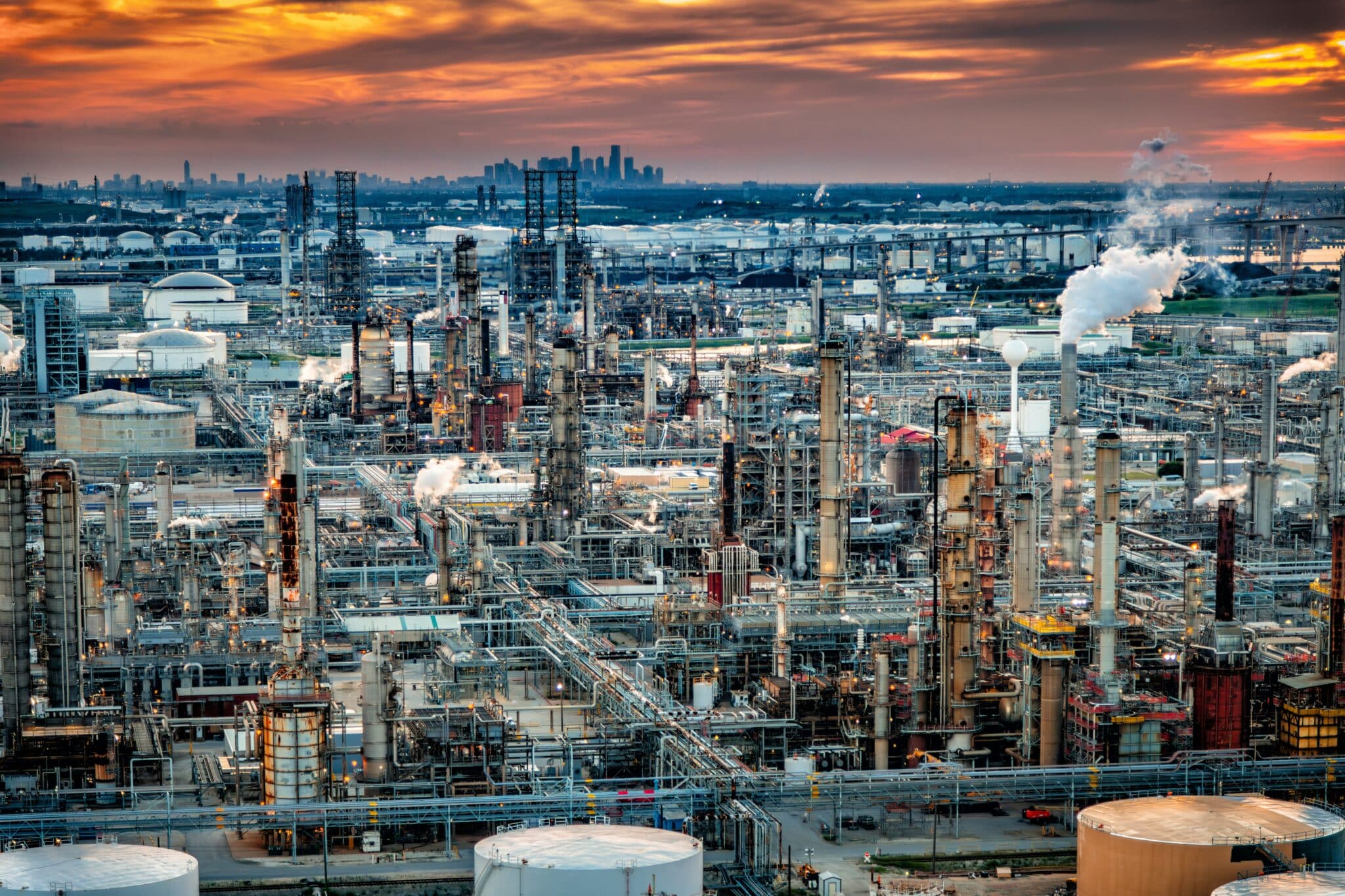
The numbers are stark. Since 2009, around 30 refineries have closed across Europe and its neighbours. Refining capacity has fallen from about 17.5 million barrels a day to 14.4 million. Europe now produces only around 70% of its own diesel.
The closures haven’t stopped. Europe shut roughly 500,000 barrels a day of capacity last year alone, and Britain lost two of its six refineries, including Grangemouth, Scotland’s only one, which became an import terminal. Forecasters expect European capacity to fall by another fifth by 2035.
Join The European Business Briefing
New subscribers this quarter are entered into a draw to win a Rolex Submariner. Join 40,000+ founders, investors and executives who read EBM every day.
SubscribeEach closure had its own logic. Margins were thin. New plants in the Middle East, India and China were bigger, newer and cheaper to run. European refiners carried the cost of carbon prices, expensive energy and strict environmental rules. Climate policy promised that demand for oil would fall anyway. Shareholders preferred buybacks to refurbishing old plants. Selling or closing a refinery looked like sound business.
Built for the Wrong Fuel
There is a second, quieter problem. Europe’s refineries were designed for a market that ran on petrol. Then, from the 1990s, governments pushed drivers towards diesel cars, and freight, farming and industry ran on diesel too. The continent has been importing diesel to fill the gap for two decades.
For years, that didn’t matter. Russia was the obvious supplier: close, cheap and connected by short sea routes. Then came the invasion of Ukraine. Europe banned Russian fuel imports from 2023, and in January this year it also banned products refined from Russian crude in third countries, closing the so-called refining loophole.
Swapping One Dependence for Another
Europe replaced Russia with the Gulf. Between 2022 and 2025, its imports of refined products from the Gulf rose by 230,000 barrels a day to 700,000, according to the Oxford Institute for Energy Studies, with Saudi Arabia and Kuwait leading the way. The Gulf had built huge new refineries precisely to serve markets like Europe.
Then the Iran war began, and tankers came under attack in Hormuz. Europe’s exposure to the strait is small for crude oil but much larger for refined products, almost all of it diesel and jet fuel. Russia’s own refineries, meanwhile, have lost roughly a quarter of their capacity to Ukrainian drone strikes this year.
That leaves America, and America has its own priorities. With US diesel at record prices and midterms approaching, the Trump administration has backed the idea of a diesel export ban. Europe has moved from depending on Russia, to depending on the Gulf, to depending on Washington’s goodwill, in barely four years.
The Price of Dependence
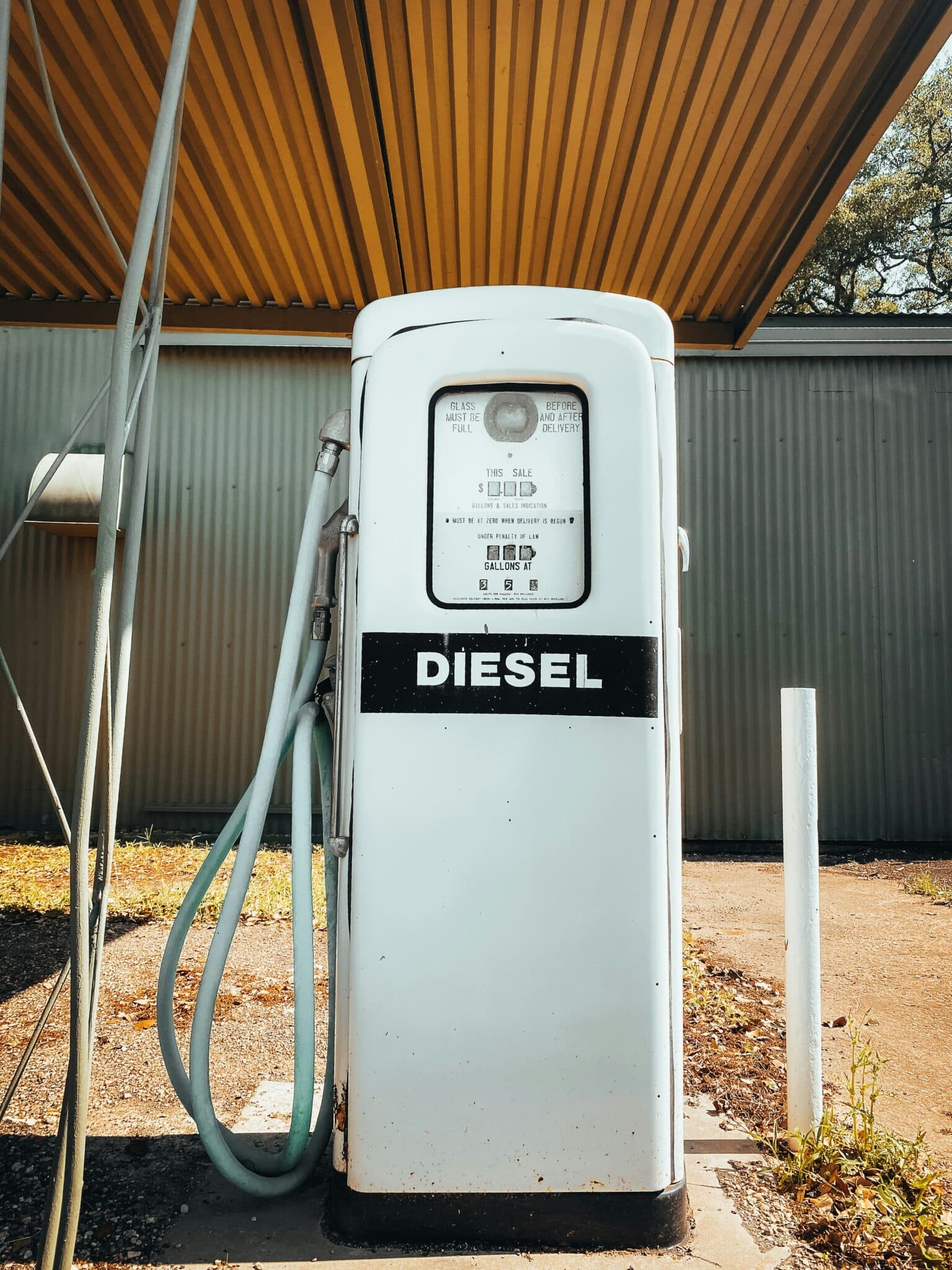
There is a security cost too. Armies run on diesel and jet fuel. As the IATA has warned, when diesel is tight, refiners shift production away from jet fuel because diesel pays more, so aviation suffers as well. A continent rearming for a more dangerous world is doing so with a fuel supply it doesn’t control.
The irony is that Europe’s remaining refiners are now earning record profits. The capacity that was too unprofitable to keep five years ago would be highly valuable today. Spain shows what that means in practice. With eight refineries and more than 13% of Europe’s capacity, it has weathered the crisis better than most.
Is Anyone Willing to Reverse It?
So far, not really. Building a new refinery takes years and billions of euros, and no company will commit that money if governments plan to phase out fossil fuels. The EU’s competitiveness drive has softened some green rules, but no one in Brussels is calling for new oil refineries.
There are cheaper options. Governments could stop closures of strategically important plants, as some already quietly do. They could hold larger diesel reserves, as France does. And electrifying transport cuts demand at the source. The war has pushed drivers towards electric cars faster than a decade of climate policy did. But lorries, tractors and tanks will run on diesel for years to come.
Where This Goes
Europe didn’t decide to become dependent. It drifted there, one sensible closure at a time, assuming fuel would always be available to buy from someone. That assumption has now failed three times in four years: Russia, the Gulf and now America. Europe will keep paying a premium, in money and in leverage, until it decides that refining capacity is a strategic asset, not just a business. As with the Gulf stakes in its airports and China’s control of rare earths, the lesson is the same. Dependence feels cheap right up until someone uses it.
Related Analysis






