

























London -October 3 -2026 — EBM Weekend Read — By Nick Staunton
This week Britain learned that the chairman of its most successful football club has diplomatic immunity. It was a striking detail in a story about a £900m finding against Manchester City. But it pointed to something much bigger than football. Over the past two decades, Gulf states have bought their way into the heart of Europe’s economy, from its airports and banks to its carmakers, department stores and shipping lines. Most Europeans have no idea how much they now own.
Follow the Planes
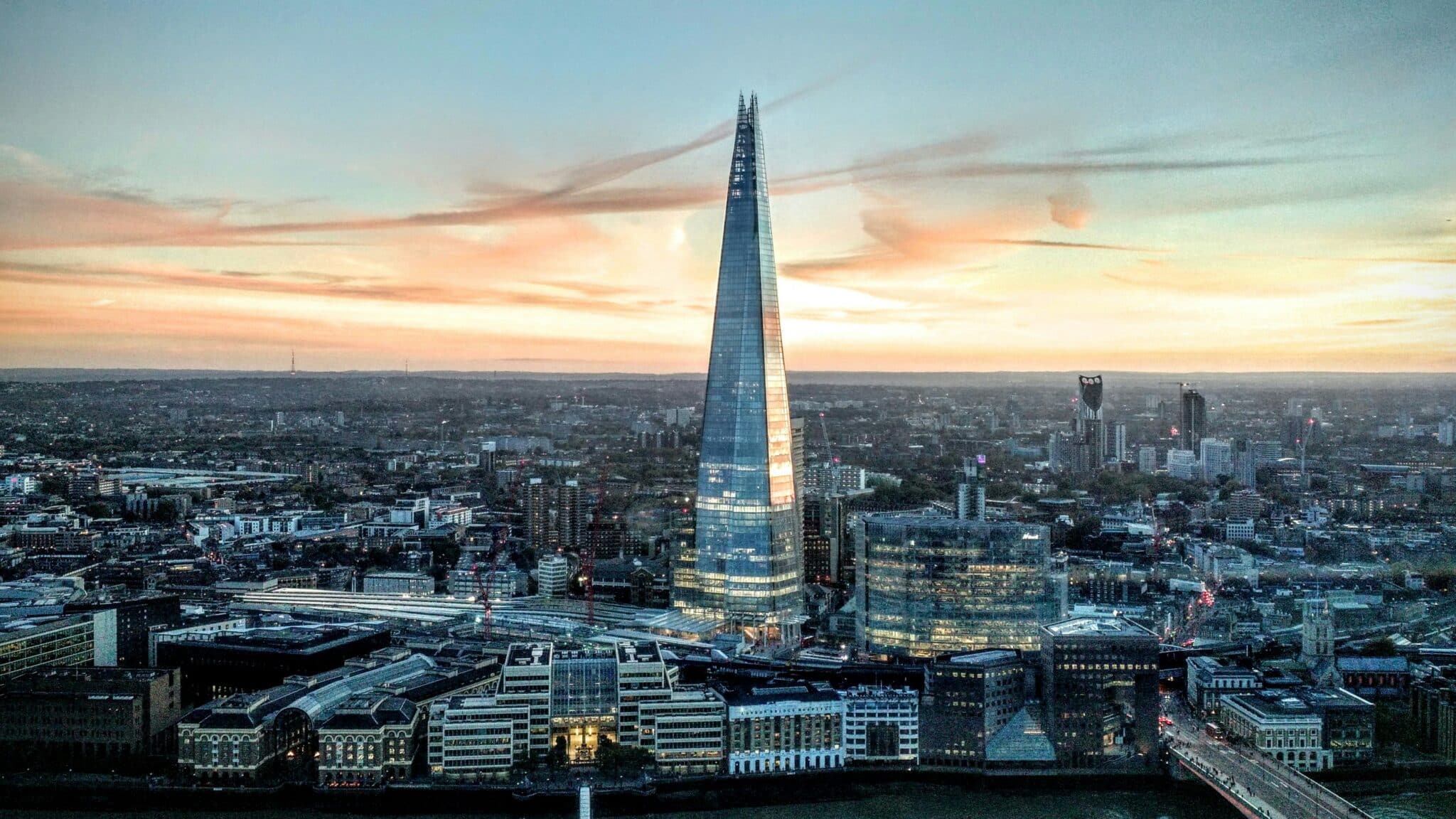
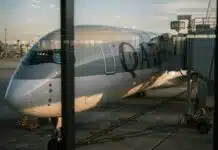
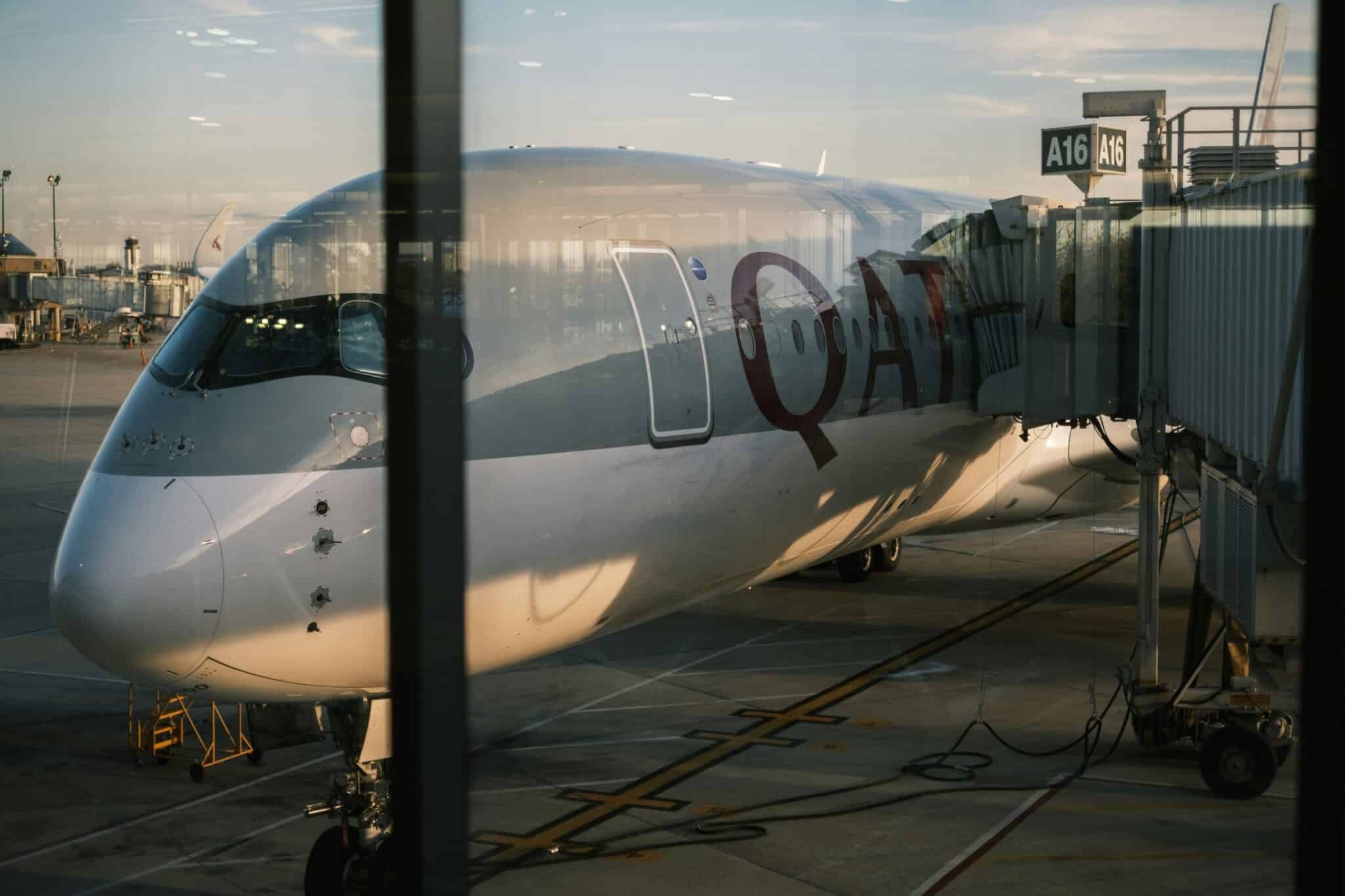
Qatar’s British portfolio goes much further. It bought Harrods in 2010. Qatari-backed entities own Canary Wharf, the HSBC tower and the Shard, and Qatar Airways owns around a quarter of IAG, the parent of British Airways. Its UK holdings have been estimated at £40bn. Abu Dhabi has gone further still, putting more than £20bn into British assets through Mubadala, double what it pledged. Saudi Arabia, meanwhile, owns 40% of Selfridges.
Not Just Britain
Germany is just as exposed, if less visible. According to a February report by the German Institute for International and Security Affairs (SWP), Qatar holds 10.4% of Volkswagen’s capital and around 17% of its voting rights. It also owns 12.3% of shipping giant Hapag-Lloyd and 6.1% of Deutsche Bank. France has actively courted Qatari money for years, even offering tax breaks on Qatari property investment, and Qatar has owned Paris Saint-Germain since 2011.
Join The European Business Briefing
New subscribers this quarter are entered into a draw to win a Rolex Submariner. Join 40,000+ founders, investors and executives who read EBM every day.
SubscribeThe pace is picking up. Gulf sovereign funds put $56.3bn to work worldwide in the first nine months of 2025, and 28% went to Europe, the highest share in at least five years. Their combined wealth already exceeds $5tn, and some estimates suggest they could control nearly $9tn by 2030.
Why Europe Says Yes
The money arrives because Europe asks for it. Governments short of cash for infrastructure see Gulf funds as patient, long-term investors who don’t panic in a downturn. During the 2008 financial crisis, Gulf money rescued Barclays and propped up other Western banks when nobody else would. That reputation as a lender of last resort still opens doors.
There is also a simple commercial logic. A Gulf fund will pay a premium for a trophy asset, and sellers love premiums. When Ferrovial sold its Heathrow stake, the Saudis were waiting. When Manchester City needed money to compete with the elite, Abu Dhabi’s wealth was ready.
What the Money Buys
This is where it gets uncomfortable. Sovereign wealth funds are not ordinary investors. They are arms of the state. The SWP describes how the Gulf monarchies use their funds to turn oil revenue into foreign policy influence. A shareholder that is also a government can make a call that no pension fund can make.
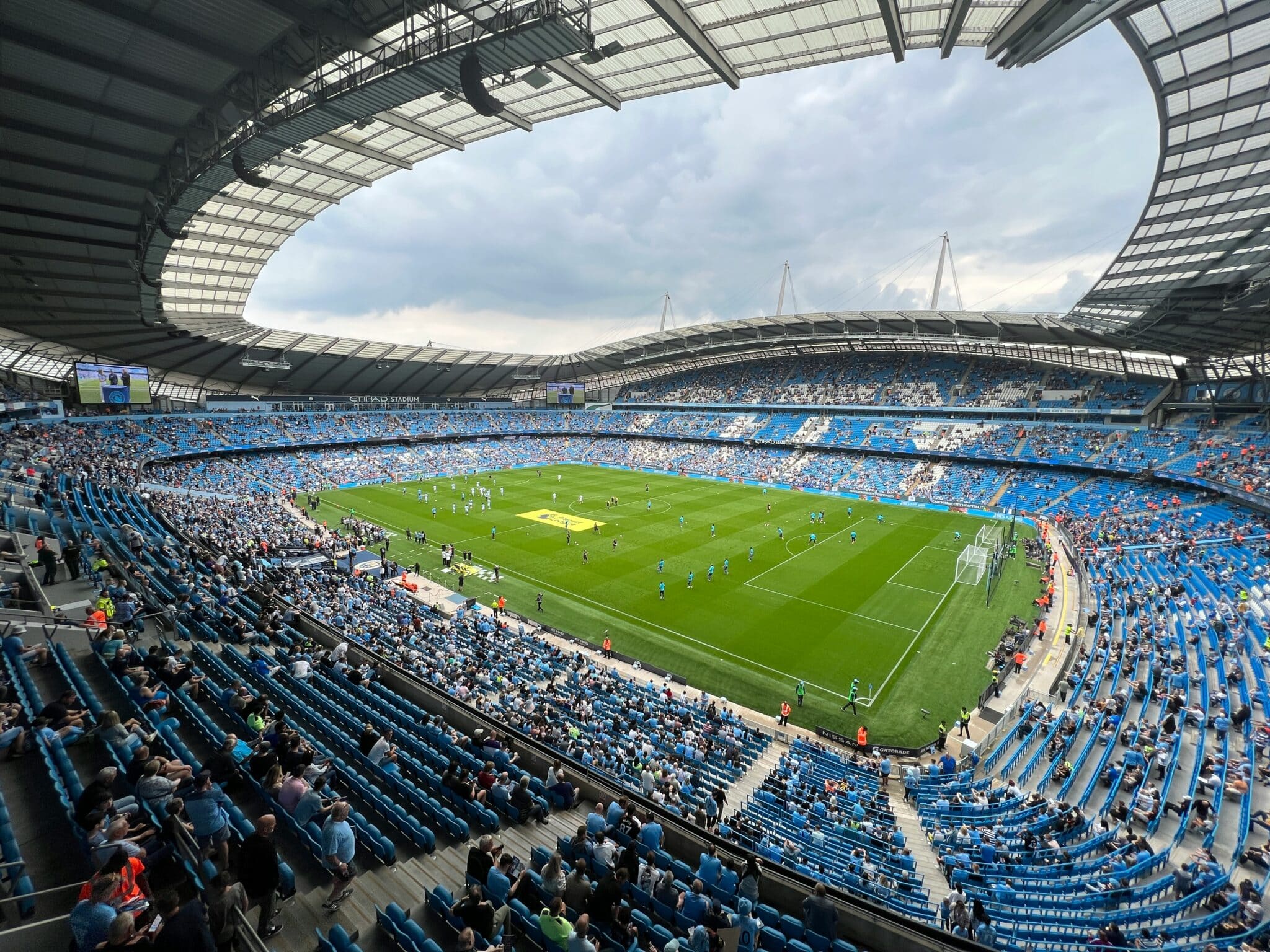
Influence works quietly. Ministers think twice about criticising a state that owns a fifth of the national airport. Regulators feel the pressure when the government is courting that state for more investment.
Where Europe Draws the Line
There are limits, and Europe has started to find them. Britain stopped an Abu Dhabi-backed bid for the Telegraph and capped foreign state ownership of newspapers. Germany screens foreign stakes in defence and critical technology more tightly than before. The EU has strengthened its rules on foreign subsidies.
But the rules mostly cover the obvious cases: media, defence and military technology. They say little about airports, banks, carmakers or football clubs. And the Gulf’s own region is far from stable. Iranian strikes on Gulf shipping this year have shown how quickly the region behind this money can become a source of risk. This week’s diesel ultimatum from Washington is a reminder that Europe’s energy dependence is already a lever others can pull.
The Call
Gulf money is not a threat in itself. It has funded airports, saved banks and built football teams that millions of Europeans love. Europe needs patient capital, and the Gulf has more of it than almost anyone. The problem is that Europe has sold stakes in critical assets one deal at a time, without ever asking what the total adds up to. Nobody in Brussels, London or Berlin has added up the whole picture. Before the next trophy asset goes, someone should, because a third of Heathrow is no longer just an investment. It is leverage.
Related Analysis