





























London, 1 October 2026 — EBM Newsdesk Analysis — By Anthony Gill
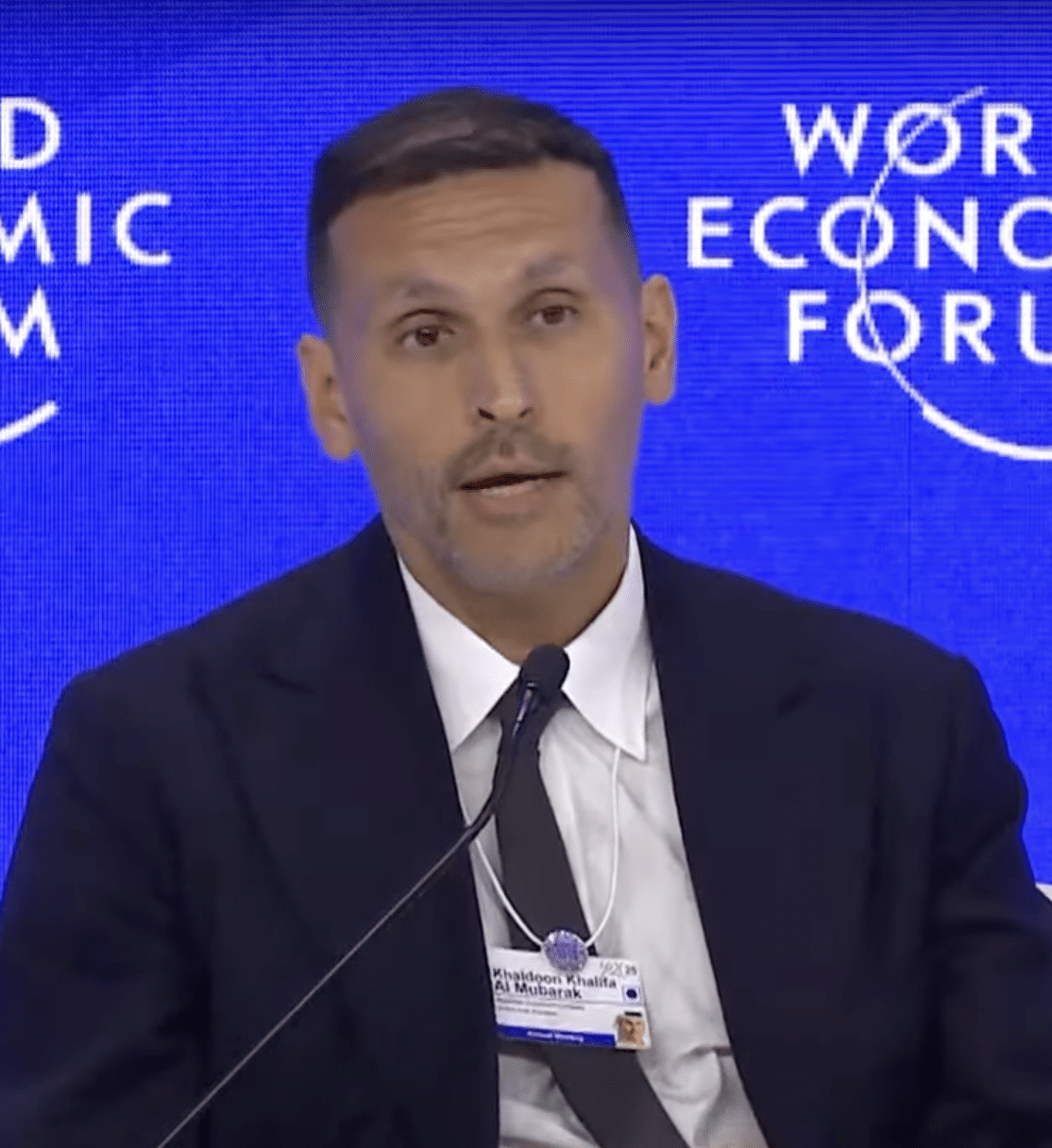
On Thursday, 1 October, the Financial Times reported that Manchester City chairman Khaldoon al-Mubarak was granted diplomatic immunity six years ago, protecting him from potential legal proceedings in the UK. The disclosure comes two days after an independent commission found City guilty of inflating its finances by more than £900m over nine seasons. There is no suggestion that Mubarak faces any proceedings. But the timing is striking, and so is what it reveals. City’s chairman is not just a football executive. He is one of the most powerful officials in Abu Dhabi, and Britain treats him that way.
For European business, this goes well beyond football. Mubarak runs Mubadala, Abu Dhabi’s $385bn state investment fund, which has put tens of billions of pounds into British companies and infrastructure. When a dispute touches a man in that position, the Premier League is not just regulating a club. It is in conflict with a sovereign investor that Britain has actively courted.
Who Mubarak Really Is
Mubarak has been Mubadala’s chief executive since 2002. He sits on Abu Dhabi’s executive council, which makes him one of the most powerful non-royals in the emirate, and on the board of the state oil company, ADNOC. He has represented the UAE alongside world leaders, including Donald Trump and Emmanuel Macron.
Join The European Business Briefing
New subscribers this quarter are entered into a draw to win a Rolex Submariner. Join 40,000+ founders, investors and executives who read EBM every day.
SubscribeHe also chairs City Football Group, which owns or part-owns a dozen clubs worldwide. According to the FT, he has good personal relations with Prime Minister Andy Burnham, dating back to Burnham’s time as mayor of Greater Manchester.
Diplomatic immunity is normally given to people performing official duties for a foreign state. It shields them from most legal action in the host country unless their own government waives it. That status reflects Mubarak’s government role, not his football one. But in practice the two are now hard to separate.
The Money Behind the Relationship
The bigger story is Abu Dhabi’s investment in Britain. In 2021 Mubarak signed an expanded Sovereign Investment Partnership at Downing Street, under which the UAE committed £10bn to British industries over five years. Mubadala’s early investments included around £500m in broadband firm CityFibre.
Abu Dhabi has gone far beyond that pledge. Bloomberg reported last year that the emirate had channelled more than £20bn into British assets, double its commitment, despite signs of strain in the relationship. At the top of it all sits Sheikh Mansour bin Zayed al-Nahyan, City’s owner, UAE vice-president and chairman of Mubadala’s board. His wider wealth spans state companies worth hundreds of billions of dollars, many doing substantial business in Britain.
That is why City’s case carries a diplomatic and economic cost few other clubs could impose. The government wants Gulf capital for infrastructure, energy and technology. The Premier League wants to enforce its rules. Those two goals now pull in opposite directions.
What It Means for the Case
The commission’s findings stand regardless of anyone’s immunity. They apply to the club, not to individuals. The panel also said some club witnesses gave evidence they knew to be untrue. City denies wrongdoing and is appealing, and its main sponsor, Etihad, has threatened legal action against the league.
But football’s finances increasingly depend on owners like these. City helped turn the Premier League into a magnet for state and private capital, and City itself became one of Europe’s richest clubs. The same model now runs from Newcastle to golf’s Ryder Cup. Every regulator is learning that sovereign owners bring sovereign leverage.
Where I Land
Mubarak’s immunity is legal, and nobody has suggested he needs it for anything. But it tells you where the power sits. Britain has invited Abu Dhabi in, taken £20bn of its money and given its top officials special protection. Now the Premier League has to punish that state’s flagship club. If the sanction is tough, the relationship will be tested. If it’s weak, everyone will assume the money won. Either way, this is no longer just a football case. It’s a question of how much Britain’s openness to Gulf capital is worth, and what it costs.
Related Analysis






