





























London, 8 October 2026 — EBM Newsdesk Analysis — By Amr Shabana
The euro is trading below $1.12 this morning, close to the 17-month low of $1.1160 it hit on Monday. That fall started with France’s budget, and the pressure hasn’t eased. The dollar index is holding above 102, and sterling has risen to a 16-month high against the euro. The pound isn’t safe either: against the dollar it has slipped below $1.32 and is testing an important support level.
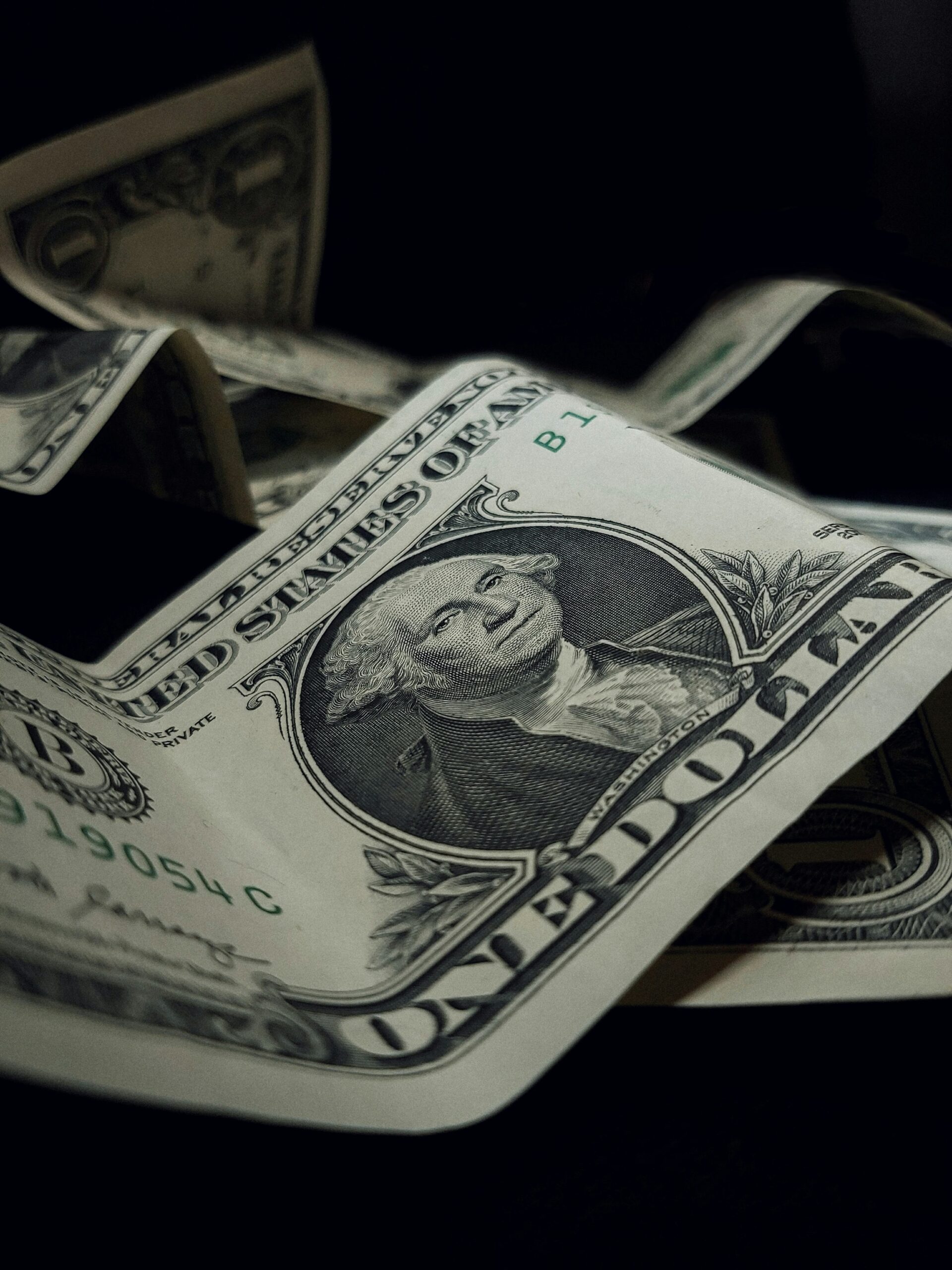
Traders have a phrase for what is happening. The dollar is “the cleanest shirt in the laundry”. The US has serious problems of its own, including heavy federal debt and inflation that has been above target for more than five years. But compared with the alternatives, it looks the safest place for money. That is a problem for European companies that buy energy and raw materials priced in dollars.
The Fed Is Still Raising Rates
The minutes of the Federal Reserve’s September meeting, published last night, were more hawkish than expected. The vote to raise rates by a quarter point was unanimous, and 16 of the 18 policymakers expect another rise before the end of the year. Markets see a December hike as likely and put a 77% chance on at least one more by the end of March 2027.
Join The European Business Briefing
New subscribers this quarter are entered into a draw to win a Rolex Submariner. Join 40,000+ founders, investors and executives who read EBM every day.
SubscribeThat is the main thing holding the dollar up. The Fed can raise rates without wrecking its economy, because the US is growing faster than any other big developed economy, largely thanks to AI. The ECB and the Bank of England face inflation that is also too high, but they can’t fight it as hard without risking a recession. France’s widening borrowing gap with Germany makes the ECB’s position even harder.
AI Is Competing With Governments for Cash
Bond markets have a new problem. SpaceX, Oracle and Broadcom are all raising money to buy AI chips. Anthropic hopes to list next month and could raise up to $100bn, which would be the largest IPO in history, ahead of SpaceX’s $75bn listing in June. That is a lot of investor money going to AI rather than government debt.
The result is that the yields on 10-year and 30-year US Treasuries are close to their highest levels in 24 years. When the US government has to pay more to borrow, governments elsewhere do too. Europe’s governments, which have weaker finances, are being hit by the same global bond sell-off as Washington, without the US growth to offset it. The boom in AI spending is now affecting what Europe pays to borrow.
Oil Adds to the Pressure
Oil prices have risen again. Reports that Washington is considering a new round of large-scale military action against Iran, and the heaviest attacks on Hormuz shipping since February, have reversed the optimism that followed the reopening of the Bab el-Mandeb Strait earlier this week. Tropical Storm Isaias has also cut about 25% of oil production in the Gulf of Mexico.
For Europe, a weaker euro and dearer oil make a bad combination. Oil is priced in dollars, so every fall in the euro makes energy imports more expensive just as diesel shortages are already squeezing households. The ECB can’t cut rates to support growth, and raising them would deepen the slowdown.
Asia Shows How Nervous Markets Are
Asian markets fell overnight. South Korea’s Kospi dropped 2.6% after a 2% loss the day before, with Samsung and SK Hynix each down 2.4%. Japan’s Nikkei fell 1.4%, and SoftBank lost 4.3%. The yen is above 158 to the dollar, close to the 160 level that triggered a joint Japanese–US intervention in July. A strong dollar is putting pressure on other currencies around the world, not just the euro.
Where This Goes
The dollar’s strength isn’t a sign that America’s economy is healthy. It reflects the fact that Europe and Japan have even fewer good options. While the Fed can keep raising rates and the ECB can’t, the euro will stay under pressure. Analysts already expect it to reach $1.10. European companies that buy in dollars should protect themselves against further falls now rather than hope for a rebound. Unless France shows it can control its debt or Europe’s growth improves, the dollar will keep its advantage.
Related Analysis