





























London, 1 August 2026 — EBM Weekend Read — By Brad Adams
In 2018 Gerard Piqué’s investment vehicle Kosmos agreed a 25-year, $3bn deal with the International Tennis Federation to reinvent the Davis Cup, a competition first played in 1900. The ITF terminated it after five. Losses were heavy, crowds were thin, and much of the sport disliked the condensed format that replaced home-and-away ties. Piqué faced separate scrutiny in Spain over commission arrangements on the Supercopa’s move to Saudi Arabia.
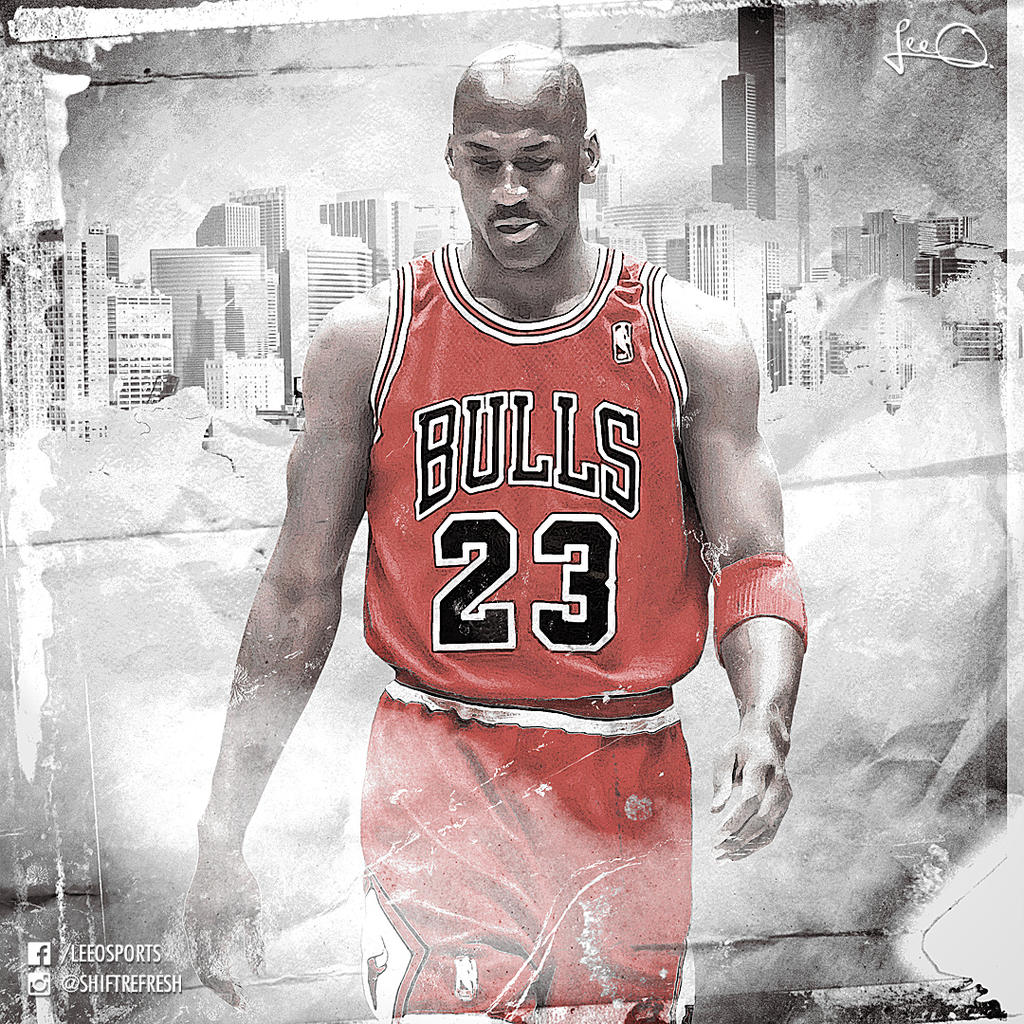
Every athlete now wants equity rather than fees, and they are right to. Jordan’s royalty clause, and Ronaldo, LeBron and Mbappé. What gets far less attention is the other side of the ledger — the deals where a famous person took the downside of a business they could not influence, and discovered that being world-class at one thing confers no advantage whatsoever at another.
Join The European Business Briefing
New subscribers this quarter are entered into a draw to win a Rolex Submariner. Join 40,000+ founders, investors and executives who read EBM every day.
Subscribe
The Category Error
Piqué’s failure was not incompetence. It was a mistake about what kind of problem he was solving.
He understood football deeply, and assumed that understanding transferred to running a global competition. It does not. Restructuring the Davis Cup is a rights, broadcast, scheduling and national-federation problem. It requires persuading dozens of associations to surrender a format their members are attached to, and then selling the result to broadcasters who were buying the old one.
Being an exceptional centre-back is not relevant to any part of that. As ASO’s grip on cycling shows, the people who make money from sporting events are the ones who own the calendar and understand the rights, not the ones who understand the sport.
The Jordan comparison is where most analysis goes wrong. Jordan did not supply capital to Nike in 1984. He supplied the one asset Nike could not manufacture — a cultural presence that made the product desirable. He was not an investor. He was the reason the business worked, and the royalty simply paid him for it.
Piqué supplied money and a name to an organisation that would have functioned identically without either.
Zlatan and the Statue
The Ibrahimović case is smaller and stranger, and it illustrates a risk that appears on no spreadsheet.
In November 2019 he bought a stake in Hammarby, the Stockholm club. Ibrahimović is a Malmö man, and Malmö FF supporters read the purchase as a betrayal by one of their own. The bronze statue of him unveiled in Malmö a month earlier was vandalised repeatedly — daubed, burned, its nose sawn off — and eventually toppled from its plinth.
Nobody destroys a statue over a sponsorship deal. Endorsement is understood as work. Ownership is understood as allegiance, and in football allegiance is not a commercial category.
The lesson is that athlete equity entangles the personal brand with the asset in both directions. If the asset does badly, the athlete’s reputation absorbs some of it. If the asset offends the athlete’s existing constituency, the brand pays for that too. An endorsement can be quietly discontinued. A shareholding cannot.
Why the Failures Cluster
Three structural reasons, and none of them is about intelligence.
No relevant edge. A restaurant group, a crypto exchange, a property fund: these do not perform better because a footballer owns 15%. The athlete has become a limited partner with worse diversification than a pension fund and considerably more emotional attachment to the outcome.
No governance. A 24-year-old with substantial income and no financial training is an ideal target for people with schemes, and the introductions arrive through the dressing room rather than from anyone regulated. The advice is social, and social advice is very hard to refuse.
No second chance. Sports revenue distribution means most professionals never accumulate enough to absorb a serious mistake. A hedge fund runs a portfolio. An athlete usually gets one significant bet, which makes the first one decisive.
What Separates the Two Groups
The successes are the deals where the athlete’s involvement is the reason the asset is worth more.
Nadal’s Costa del Sol development works because branded residences command a genuine premium and his name is the brand. Jordan works for the same reason. In both cases, remove the athlete and the business is materially worse.
The failures are the deals where the athlete is fungible — where they supply capital and a logo to something that would run the same without them. That is not equity in any meaningful sense. It is an investment, priced as though it were something more.
The Verdict
Equity beats fees when the athlete brings something that cannot be bought. It loses to fees when they are simply buying in, because then they carry the downside of a business they cannot control in exchange for returns an index fund would have delivered with less drama.
The uncomfortable conclusion is that Jordan is not a template. He is an outlier that required a once-in-a-generation cultural figure, a manufacturer willing to build an entire division around one person, and forty years of compounding. Copying the structure without any of those conditions produces Kosmos.
The Dassler brothers: building something valuable and arranging to keep it are entirely separate skills. Most athletes are extraordinary at one thing. Ownership quietly asks them to be good at a second.
Related Analysis
- The Billionaire Who Bought Australia an Olympic Advantage
- Inside the £10 Billion Sports Streaming War
- What Winning the World Cup Is Really Worth to Spain
Leeo Sports (@shiftrefresh), CC licence