



























London, 6 October 2026 — EBM Newsdesk Analysis — By Katie Winearls
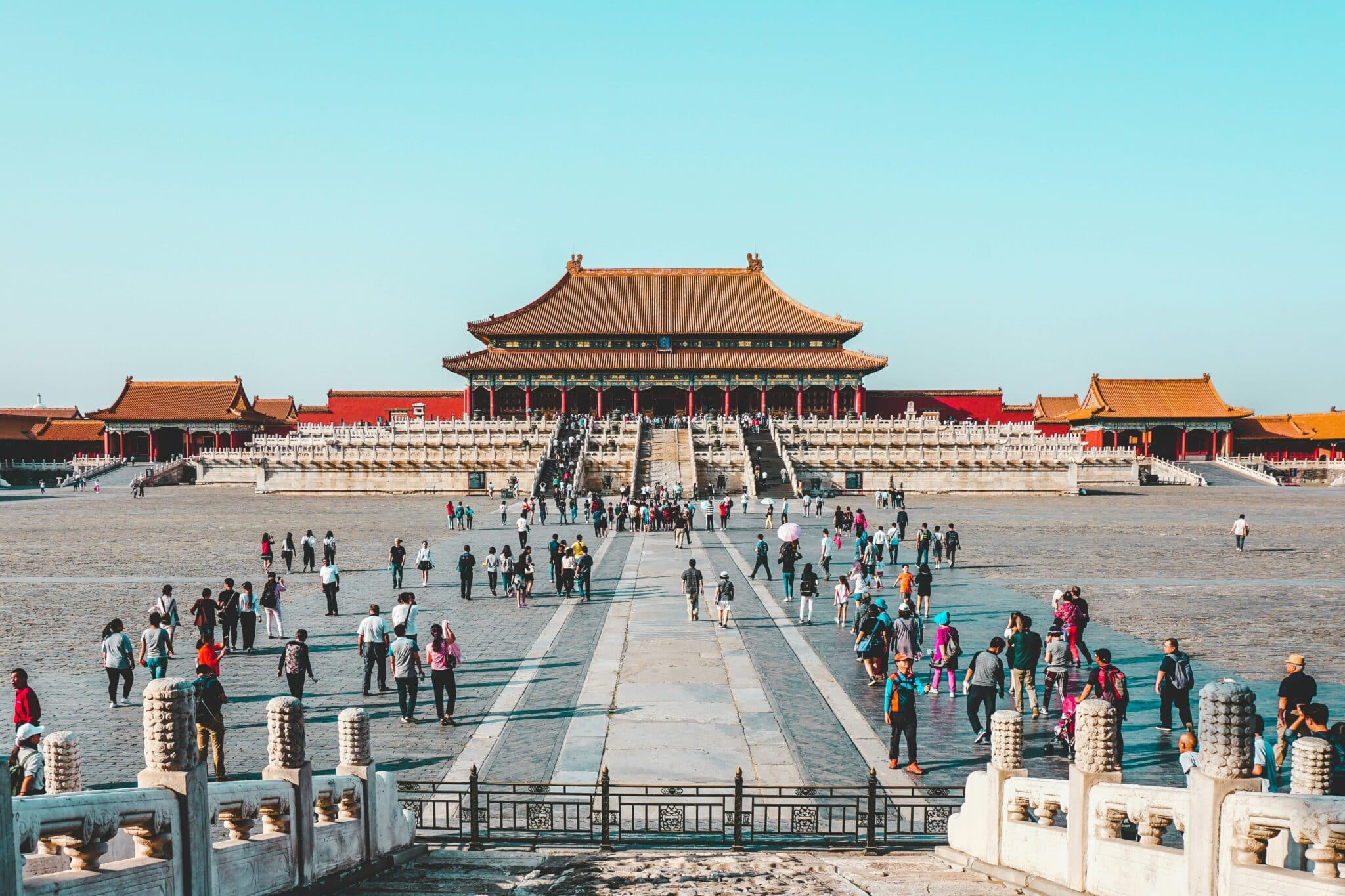
On Thursday, 8 October, EU trade commissioner Maroš Šefčovič meets China’s commerce minister Wang Wentao in Beijing for two days of talks at the second session of the EU-China Trade and Investment Council, which the two men co-chair. Brussels has framed the meeting as the moment China must deliver. Last month, after an hour-long video call between the two, a Commission spokesperson said it was equally important that the first tangible results were achieved at the Beijing session. A Commission team has already travelled to China to prepare.
This is the deadline Europe set itself in June, and it arrives at the tensest point yet. Last week Beijing warned it would respond firmly if the EU restricted Chinese businesses, as France and Germany pushed for a tool that could cut China off from the European market within 24 hours. Thursday’s talks will show whether diplomacy can still produce results, or whether Europe has to decide if its threats are real.
What Europe Wants
The EU’s demands are long-standing. It wants China to reduce the subsidised overcapacity that floods European markets with cheap electric cars, steel and batteries. It wants fairer access for European companies in China, including public contracts. And it wants reliable supplies of rare earths, the materials inside car motors, wind turbines and defence electronics.
Join The European Business Briefing
New subscribers this quarter are entered into a draw to win a Rolex Submariner. Join 40,000+ founders, investors and executives who read EBM every day.
SubscribeThe imbalance is stark. The EU’s goods deficit with China hit €98bn in the first quarter of this year alone. Every EU country now buys more from China than it sells.
When the two men met in Brussels in June, Šefčovič called the talks intensive, focused and constructive, but said the status quo was not viable. China gave assurances then that rare earth restrictions would not disrupt EU supply chains.
Why Leverage Matters
Europe’s problem is that China holds strong cards. It supplies around 98% of the EU’s rare earth imports, and it has shown it will tighten exports when it wants to. Europe’s last major confrontation, over electric car tariffs, ended with Chinese retaliation against European brandy and pork, and Brussels later moving towards price deals instead. As EBM has argued, the tools Europe is building could hurt its own manufacturers first.
Europe has learned this lesson the hard way elsewhere. Its dependence on imported fuel after decades of refinery closures has just handed Washington leverage over its diesel supplies. Rare earths are the same story with a different supplier.
The Call
Expect modest progress, not a breakthrough. China is likely to offer enough, such as licence approvals for rare earths or small market-access concessions, to let Brussels claim results and delay tougher action. That may be the sensible outcome for now. But Europe set the deadline, and markets and rivals are watching. If Šefčovič comes home with only promises, the credibility of every future European threat will suffer. EU leaders meet later this month. That’s where the real decision will be made.
Related Analysis