































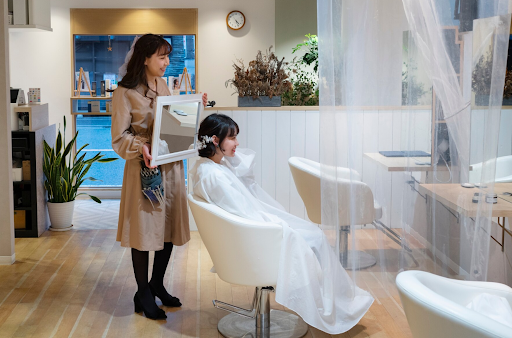
Imagine stepping into a light-filled salon pod nestled in your garden, clients sipping herbal tea while sunlight streams through floor-to-ceiling windows. You’ve sketched mood boards, picked paint swatches and even trialed your salon booking system. Then an enforcement notice lands in your mailbox and suddenly your vision feels as fragile as wet clay. Running a beauty business from home might sound like smooth sailing, but one misstep on planning controls can unravel everything. We believe this guide will steer you through each twist so you can perfect that signature manicure instead of wrestling with red tape.
Why Planning Permission Matters
Local authorities set planning rules to keep neighbourhoods in harmony and protect residential character. Granting permission gives them a chance to weigh up traffic flow, noise levels and visual impact. A stitch in time saves nine – securing approval early stops complaints and expensive retrofits later on.
When your home salon draws more than the odd client or you tweak windows and doors, you break beyond “permitted development rights” and into formal applications. Bite the bullet now and you avoid enforcement notices, fines or orders to revert your build back to its original state. Staying ahead of these regulations makes your business stable and your profits predictable.
Join The European Business Briefing
New subscribers this quarter are entered into a draw to win a Rolex Submariner. Join 40,000+ founders, investors and executives who read EBM every day.
SubscribeExisting Space versus Garden Room Conversion
Adapting an Interior Room
Converting a spare bedroom or attic into a treatment space usually stays within permitted development, provided you don’t alter rooflines or external walls. You still need to track client visits and hours—too many evening or weekend appointments can trigger a formal review.
Building a Standalone Garden Room
A bespoke garden pod boosts curb appeal and acts as its own marketing tool, but it almost always needs full planning approval. You’ll submit floorplans, elevations and a clear statement of use. Demonstrating your salon booking system in the planning statement shows you’ve thought through staggered appointments and controlled client flow.
If your pod stays under 30 m², avoids plumbing for wet treatments and uses limited utilities, some councils relax their stance. Even then, seeking pre-application advice makes sense. Clearing these hurdles up front saves you from pulling down walls or facing endless appeals.
Navigating the Council Process
Start at your local council’s planning portal and request pre-application advice. Upload a basic sketch of your proposed garden salon or garden office, note treatment types, natural light sources and show how your salon booking system will manage client flow. Planners will flag parking, waste disposal or noise issues before you pay for detailed drawings, saving you time and money.
Follow these steps to keep your submission on track:
- Prepare floorplans and elevations showing window placements, fire exits and space allocations for manicure stations or massage chairs.
- Draft a statement of use that describes your home salon’s services, hours and how you’ll avoid activities unusual in a private residence.
- Demonstrate your salon booking system to prove staggered arrivals and controlled client numbers.
Most councils decide within eight weeks. Fees vary by project scope, from minor extensions to full planning permission for standalone pods, so budget a few hundred pounds. If you need listed building consent or conservation-area approval, expect higher charges and a longer process. Contact your mortgage provider early if adding a garden room could affect your work-from-home status or require changes to your mortgage terms.
Costs, Rates and Insurance
Converting house space into a home salon shakes up your finances. Business rates apply once your rateable value crosses the council’s threshold. Even a compact pod can trigger rates if client numbers rise markedly. Meanwhile, council tax bands may change when your property’s character shifts.
Check these financial points before you build:
- Rateable value assessment tells you if business rates apply or if you stay under permitted development rights.
- Council tax review helps you spot any band changes after conversion.
- Home insurance update ensures your policy covers beauty treatments, client injuries and equipment damage.
- Public liability cover and professional indemnity insurance safeguard against claims for mistakes or accidents.
Overlooking insurance or business rates can erode profit and upset your better work life balance. Talk with your insurer about coverage limits and get documents listing your treatments and equipment.
Managing Neighbours and Client Flow
Running a home salon means keeping foot traffic friendly and low-key. A garden salon’s curb appeal should never translate into driveway blockages or angry neighbours. A smooth operation lets you focus on treatments rather than council complaints.
Use these tactics to keep client arrivals calm:
- Stagger appointments in your salon booking system so arrivals spread out, not bunch up.
- Install sound-dampening panels or heavy drapes to keep phone calls and playlists inside your garden office.
- Display discreet signage at your gate to guide guests without cluttering the street.
- Send polite reminder messages asking clients to park considerately and stick to agreed hours.
Drop in on immediate neighbours now and then to explain your schedule and reassure them about opening times. That gesture keeps complaints and the risk of an enforcement notice at bay while you deliver top-tier beauty treatments.
Enforcement Notices and Avoiding Them
Running a home salon without the right approvals invites trouble fast. Local councils issue an enforcement notice when they spot unapproved structures or business activities in a private residence. You could face fines, orders to remove your garden salon pod or demands to revert your garden office back to ordinary space. We believe tackling this risk up front makes your beauty business more resilient.
To protect your hair and beauty salon from enforcement action, follow these steps:
- Apply for planning permission before any structural work on an existing room or installation in a garden office. That way you avoid “activities unusual” in a residential area and stick to permitted development rights.
- Keep detailed logs from your salon booking system as evidence of controlled client traffic and to show there’s no marked rise in footfall that might disturb neighbours.
- If you receive an enforcement notice, submit a retrospective application or request a lawful-development certificate via the planning portal. Demonstrating you sought pre application advice shows good faith with your local council.
Act on any notice without delay and keep all your planning portal submissions clear. That safeguards your work from home venture and maintains a better work life balance.
Conclusion and Next Steps
Turning part of your home into a beauty salon or garden salon can deepen client loyalty and boost revenue. To secure long-term success, lock down these essentials:
- Check permitted development rights for interior conversions or small garden room builds.
- Engage with your local council’s pre application advice service and submit a planning permission request through the planning portal.
- Update home insurance and add public liability insurance plus professional indemnity insurance so you’re covered during treatments.
- Monitor rateable value to see if business rates apply or if your council tax band could change.
- Talk with your mortgage provider early if your build affects your work from home status or property valuation.