































EBM WEEKEND READ
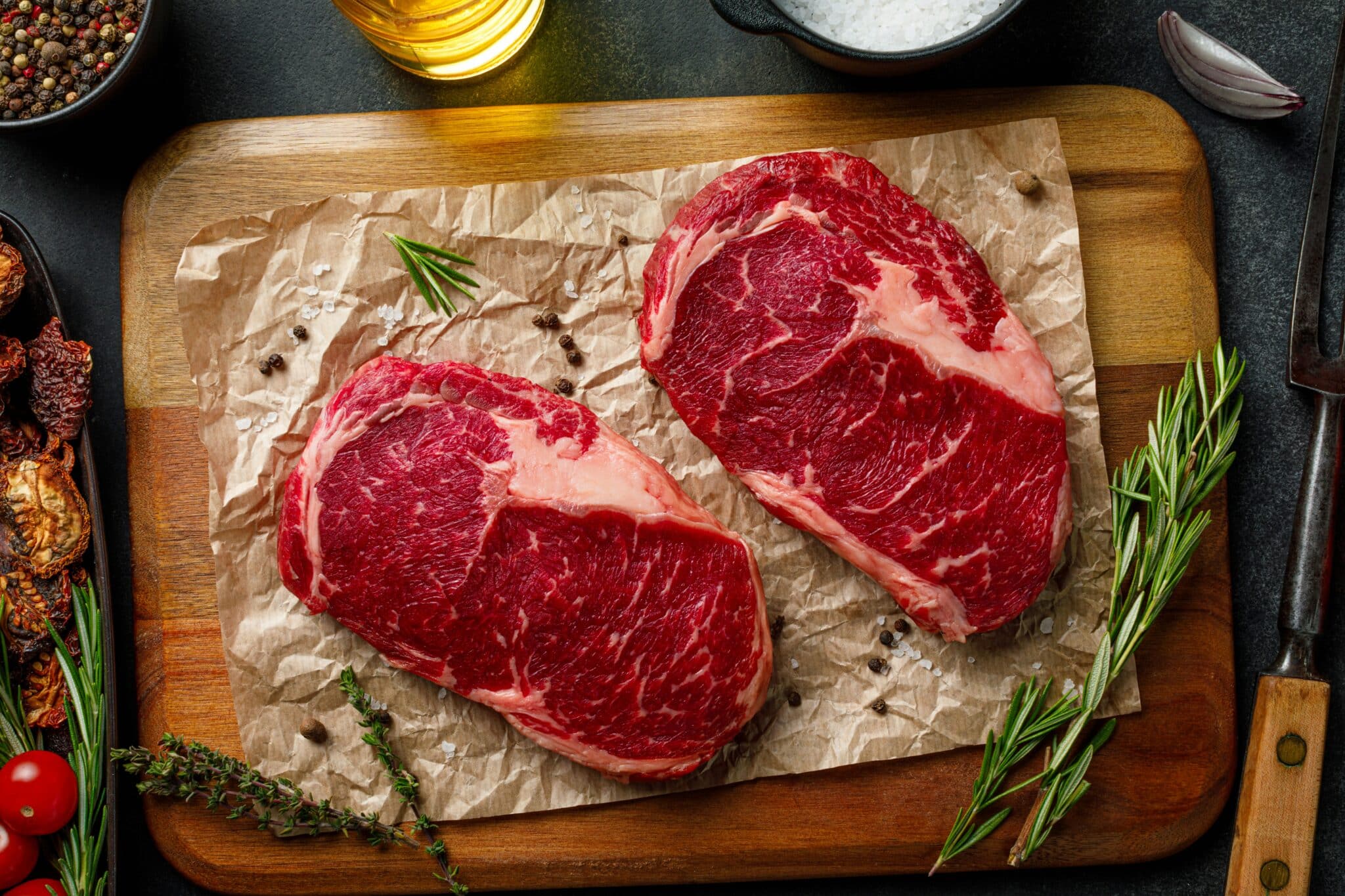
16 May 2026. The global price of beef hit $3.42 per pound this week — up 4.81% in a single session — prompting a viral post on X asking simply “What the f*** is happening to beef?” It is a fair question. The answer involves the EU-Mercosur deal, the smallest US cattle herd since 1951, a biological rebuilding cycle that cannot be accelerated, and a European regulatory framework that has been quietly shrinking the continent’s own livestock supply for years. The commodity markets have been flashing this signal for months. What changed this week is that everyone noticed.
The chart that broke the internet is telling the truth. The global beef price index has risen from around $1.20 in 2020 to $3.42 in May 2026 — nearly tripling in six years. Since July 2020, ground beef prices have spiked 48% while steak is up 41%, with consumers spending roughly 25% more for food at home compared to five years ago. These are not transitory numbers. They are the output of a multi-year structural crunch that is still deepening.
The Supply Problem Has Three Layers
Join The European Business Briefing
New subscribers this quarter are entered into a draw to win a Rolex Submariner. Join 40,000+ founders, investors and executives who read EBM every day.
Subscribe
Through mid-April 2026, steer slaughter is down 8.2% year over year and heifer slaughter down 11.5%, resulting in a 9.6% decrease in total fed slaughter. Beef cow slaughter is down 17.4% year over year, marking the fourth consecutive year of double-digit declines. The perverse consequence is that ranchers who sell cows now are removing future supply from the market, tightening the very crunch they are trying to capitalise on.
The second layer is global. US beef imports surged approximately 60% year on year in the first two months of 2026 as America tried to plug its domestic deficit from international markets. China simultaneously runs above 2025 import levels, partly driven by anticipated quota changes bringing forward buying activity into early 2026 — meaning global supply is being absorbed more rapidly than at any previous point in the cycle.
The third layer is biological — and it is the one that makes analysts most nervous. A cow has a nine-month gestation period, and once a calf is born it takes a further 18 to 22 months to reach processing weight. Even if conditions improve today, the retail market will not see the resulting increase in beef supply until 2028 or 2029. No policy intervention, no trade deal, and no subsidy programme can compress that timeline.
The European Dimension
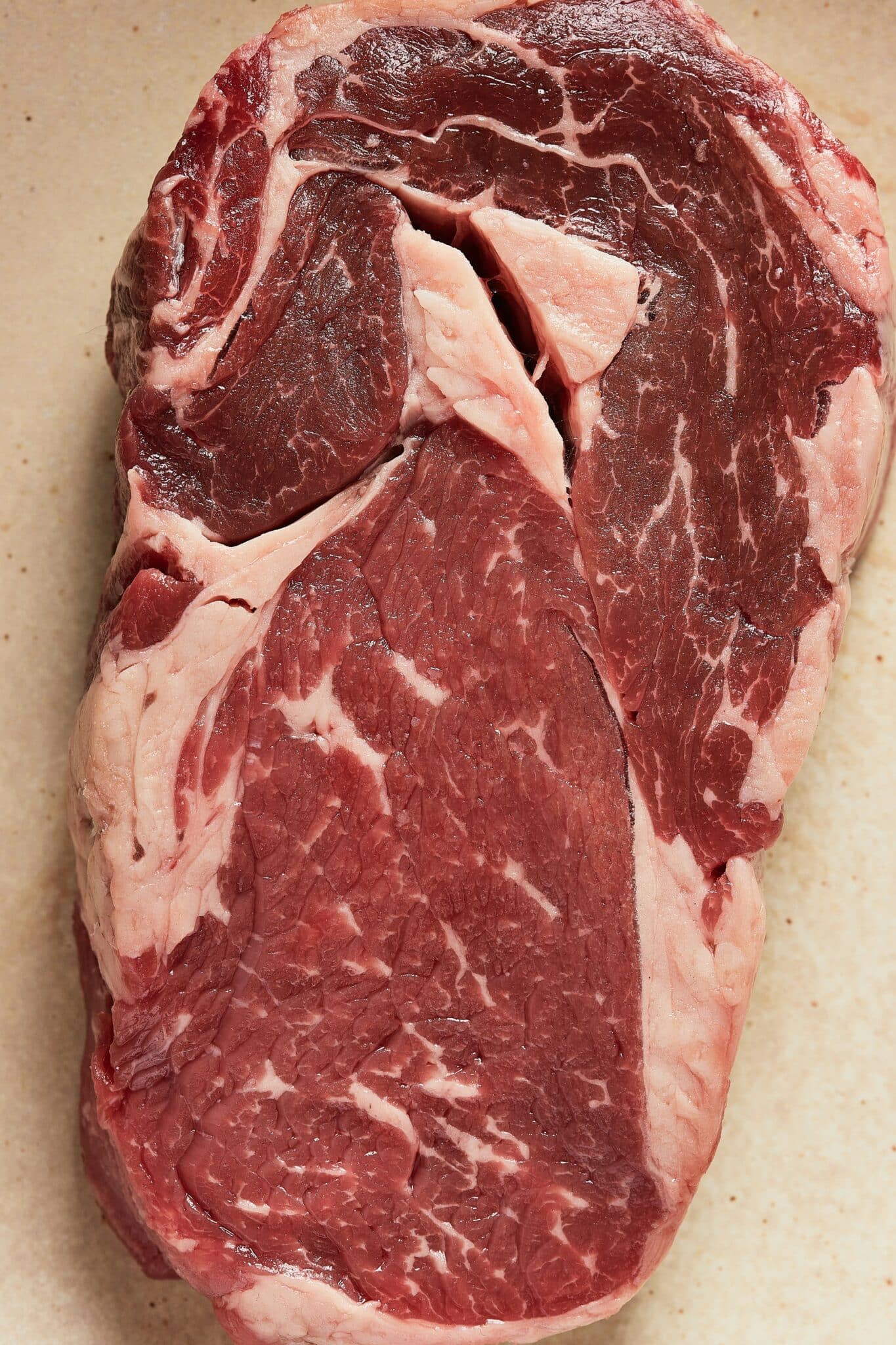
The primary driver is a continuous decline in livestock numbers across EU member states — a trend particularly acute in the beef sector, where production cycles are long and herd rebuilding takes years. In Ireland alone, the national kill fell by approximately 200,000 animals in 2025 versus 2024. EU green transition requirements, nitrates directives, and land use restrictions have directly constrained European farmers’ ability to maintain herd sizes. The regulatory framework built around emissions targets has functionally reduced agricultural output — and European consumers are paying that cost at the supermarket checkout.
The political irony is sharp. The EU-Mercosur deal that European farmers drove tractors to Brussels to block — now in provisional effect from May 2026 — offers a 99,000-tonne annual beef quota at 7.5% duty that could partially relieve the supply gap European policy helped create. But Brazil, the world’s largest beef exporter, is itself in a herd-rebuilding phase. The global supply Europe needs does not exist in the quantities the politics demands.
The Meatpacker Paradox
The surging cattle price has created a striking divergence inside the food industry. Tyson Foods, one of the world’s largest meat processors, reported a $319 million operating loss in its beef segment in Q1 2026 as the packer margin — the difference between what a packer pays for a steer and what it sells the beef for — turned negative. The company has had to rely on its chicken and prepared foods divisions to stay afloat. Ranchers are experiencing generational profitability while the processors who sit between them and the consumer are being squeezed. Analysts are predicting fed cattle prices reaching $255 to $265 per hundredweight as the market reaches its tightest point in mid-2026, with demand showing no slowdown despite record retail prices.
What This Means for Inflation
Beef and veal prices are projected to surge 6.3% in 2026, building on a 12.1% increase recorded in March 2026 versus the previous year, with farm-level cattle prices running 16.2% higher than March 2025. For European central banks already navigating the Iran oil shock, food inflation running this hot in the protein category adds a secondary pressure entirely outside monetary policy’s reach. You cannot raise interest rates to produce more cows.
The stagflation risk that European banks are already pricing gets meaningfully worse when food inflation is structural rather than cyclical. A consumer paying record prices for beef, record energy bills, and record mortgage costs simultaneously is not a consumer who increases discretionary spending elsewhere to compensate.
The Timeline
With only limited signs of heifer retention, no significant growth in cattle inventories is expected in 2026. Continued tight supplies and declining production will support higher average prices this year and into 2027. The biological floor for meaningful supply recovery is 2028 at the earliest. The viral chart showing $3.42 is not the peak. It is probably the midpoint.
The question for European policymakers is not whether beef prices are too high. It is whether the regulatory choices made in the name of emissions reduction have permanently altered the cost structure of the most basic protein in the European diet — and whether anyone in Brussels is prepared to say so out loud.
Related Analysis