

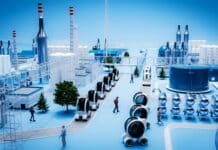


























Business growth is often discussed in terms of sales, staffing and new customers. However, the physical systems supporting an organisation can have just as much influence on its ability to expand. Water use, waste handling, transport and site capacity may not be the most visible parts of a company, but poor planning in these areas can quickly create operational and financial problems.
As a business grows, systems designed for a smaller operation may stop being adequate. Higher production volumes can increase water consumption, create more waste and place additional strain on drainage. More employees may also mean greater demand on washrooms, kitchens and cleaning facilities.
This is why infrastructure planning should form part of any expansion strategy. Waiting until a system fails or breaches capacity can lead to emergency spending, disruption and potential regulatory issues. A planned upgrade is usually easier to budget for and can be scheduled around quieter trading periods.
Join The European Business Briefing
New subscribers this quarter are entered into a draw to win a Rolex Submariner. Join 40,000+ founders, investors and executives who read EBM every day.
SubscribeFor organisations that produce contaminated water as part of their operations, business wastewater treatment can be particularly important. The right system can help remove pollutants before water is discharged, reused or transferred for further processing. The exact requirements will depend on the industry, the nature of the waste and the rules that apply to the site.
Manufacturing, food processing, hospitality and agriculture can all generate very different forms of wastewater. Oils, chemicals, organic matter and suspended solids may each require a different approach. A suitable solution should therefore be based on proper testing and professional assessment rather than assumptions.
Efficiency also matters. An outdated system may consume unnecessary energy, require frequent maintenance or struggle to cope with peak demand. Modernising equipment can reduce operational risk and may lower long-term costs, even when the initial investment is significant.
Transport is another area where growth can create hidden pressure. A business may need additional vehicles for deliveries, site visits or staff travel. This can improve capacity, but it also introduces new fixed costs, including insurance, fuel, servicing and depreciation.
Some companies choose car finance to spread the cost of acquiring vehicles rather than paying the full amount upfront. This can preserve cash for wages, stock or equipment, but it is important to assess the agreement in the context of the wider business.
The monthly payment is only one part of the decision. Businesses should consider the total amount repayable, mileage limits, maintenance responsibilities, tax treatment and what happens at the end of the term. The agreement should also reflect how the vehicle will actually be used. A low-mileage arrangement may be unsuitable for a sales team covering a large region, for example.
Cash flow forecasting can help identify whether new infrastructure or vehicles are genuinely affordable. A forecast should include expected revenue, seasonal changes, maintenance costs and a realistic contingency. It should also account for the possibility that growth may be slower than expected.
When several investments are required at once, prioritisation becomes essential. Spending should focus first on systems that protect compliance, safety and business continuity. Improvements that increase capacity or efficiency can then be phased in according to likely return.
It is also useful to consider the relationship between different investments. A new production line may increase output, but it could also create more wastewater and require additional delivery capacity. Looking at each purchase separately can result in gaps that only become obvious after the expansion has begun.
Professional input can be valuable before specifications are finalised. Environmental consultants, engineers, accountants and vehicle specialists may identify requirements that an internal team has missed. Their fees should be assessed against the cost of choosing an unsuitable system, delaying an opening or changing an agreement later. Where permits or consents are required, the timetable should also be built into the project plan so that equipment is not purchased before approval is clear.
Good infrastructure decisions are rarely based on the cheapest upfront price. Reliability, operating cost, lifespan and ease of maintenance all affect value. A system that costs more initially may be better if it reduces downtime and remains suitable as the company grows.
Businesses should also keep records of servicing, inspections and performance. This makes it easier to spot emerging problems, demonstrate compliance and plan future spending. Regular reviews can prevent small issues from becoming expensive emergencies.
Sustainable growth depends on more than demand. It requires the organisation behind the product or service to be capable of supporting that demand safely and efficiently. By planning water systems, transport and other essential infrastructure alongside commercial targets, businesses can expand with fewer surprises and stronger financial control.