




























London, 31 July 2026 — EBM Newsdesk Analysis — By Katie Winearls
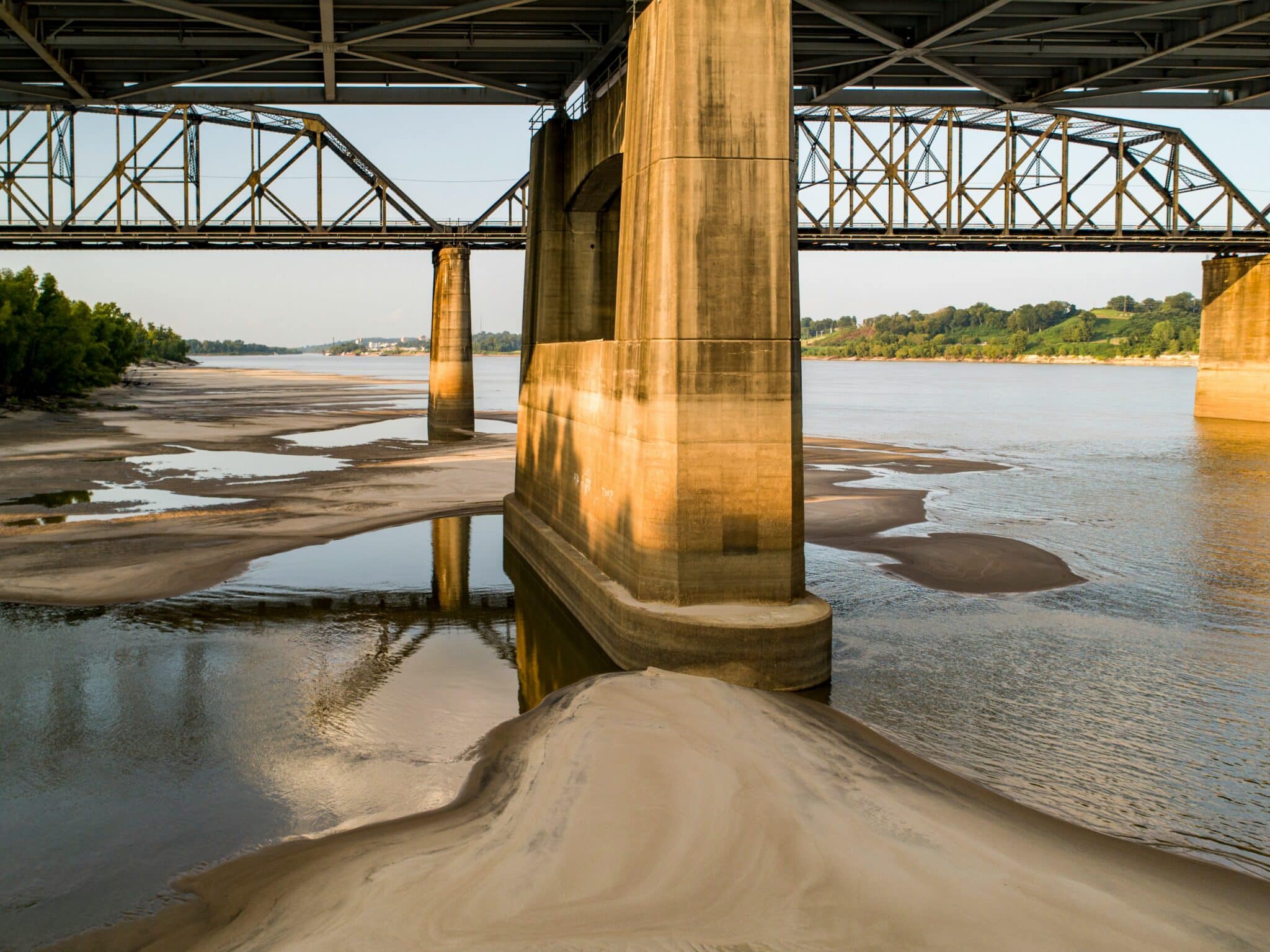
Water levels on the Rhine have fallen to their lowest point in eight years, restricting cargo traffic and forcing German manufacturers to reduce production as another climate shock reaches Europe’s industrial economy.
The navigable-depth reading at Kaub, the critical shipping bottleneck between Mainz and Koblenz, dropped to 25 centimetres on Friday, matching the record low set during the severe drought of 2018. Forecasts indicate that levels could fall further unless sustained rainfall reaches the river’s upper catchment.
Join The European Business Briefing
New subscribers this quarter are entered into a draw to win a Rolex Submariner. Join 40,000+ founders, investors and executives who read EBM every day.
SubscribeShips are still moving, but many are carrying only around 20 per cent of their usual loads. Transporting the same quantity of fuel, chemicals or industrial raw materials therefore requires four or five vessels instead of one.
Tanker-barge rates between Rotterdam and Karlsruhe have risen to approximately €145–€150 per tonne, compared with about €45 at the end of June.
This is no longer a weather story. It is an industrial-cost shock.
Germany’s Most Important Trade Route
The Rhine connects North Sea ports with Germany’s chemical plants, steelworks, refineries and manufacturing centres. It carries oil products, coal, minerals, grain and chemicals through the country’s industrial heartland.
When the river becomes too shallow, cargo cannot simply be transferred elsewhere. Rail networks have limited spare capacity, important routes are undergoing construction and replacing river freight with road transport would require thousands of additional lorries.
That is precisely the reliability problem explored in EBM’s analysis of why European supply chains can no longer be managed around ideal conditions.
Germany’s economy is particularly exposed because so much heavy industry remains concentrated beside the river.
Thyssenkrupp has reduced hot-metal production at its Duisburg operation after delays to raw-material deliveries. Its own barges have been taken out of service, forcing the steelmaker to charter vessels designed for shallower water.
BASF has warned that continued declines could lead to shortages or force-majeure declarations at its Ludwigshafen chemical complex. The company is better prepared than it was in 2018, when low Rhine levels reduced operating profit by about €250mn, but contingency vessels and alternative transport routes come at a cost.
The disruption arrives as Germany’s industrial recovery is already struggling and its chemicals sector faces high energy prices, weak demand and declining competitiveness.
As EBM has reported, European chemicals were already being squeezed by geopolitical energy disruption. The Rhine now adds a physical supply constraint to the financial pressure.
Climate Risk Becomes an Operating Cost
My view is that Europe still treats drought as an exceptional interruption when companies should now regard it as a recurring feature of the operating environment.
German businesses have increased inventories, expanded storage and invested in lower-draft vessels. Those preparations may prevent the outright shutdowns seen in 2018, but resilience is not free. It means more ships, more fuel, larger stockpiles and permanently higher logistics costs.
Economists estimate that prolonged disruption could remove as much as 0.2 percentage points from German growth.
This is Europe’s friction economy in physical form. The continent’s industrial network was built around predictable rivers, inexpensive energy and dependable transport. None can now be assumed.
Companies increasingly discuss climate exposure through reporting frameworks and ESG data systems. The Rhine offers a simpler measurement: how much cargo can reach the factory, and at what cost?
Germany can adapt to another dry summer. The greater danger is that exceptional measures become the normal price of keeping European industry operating.