




























EBM Weekend Read-By Nick Staunton, Editor-in-Chief
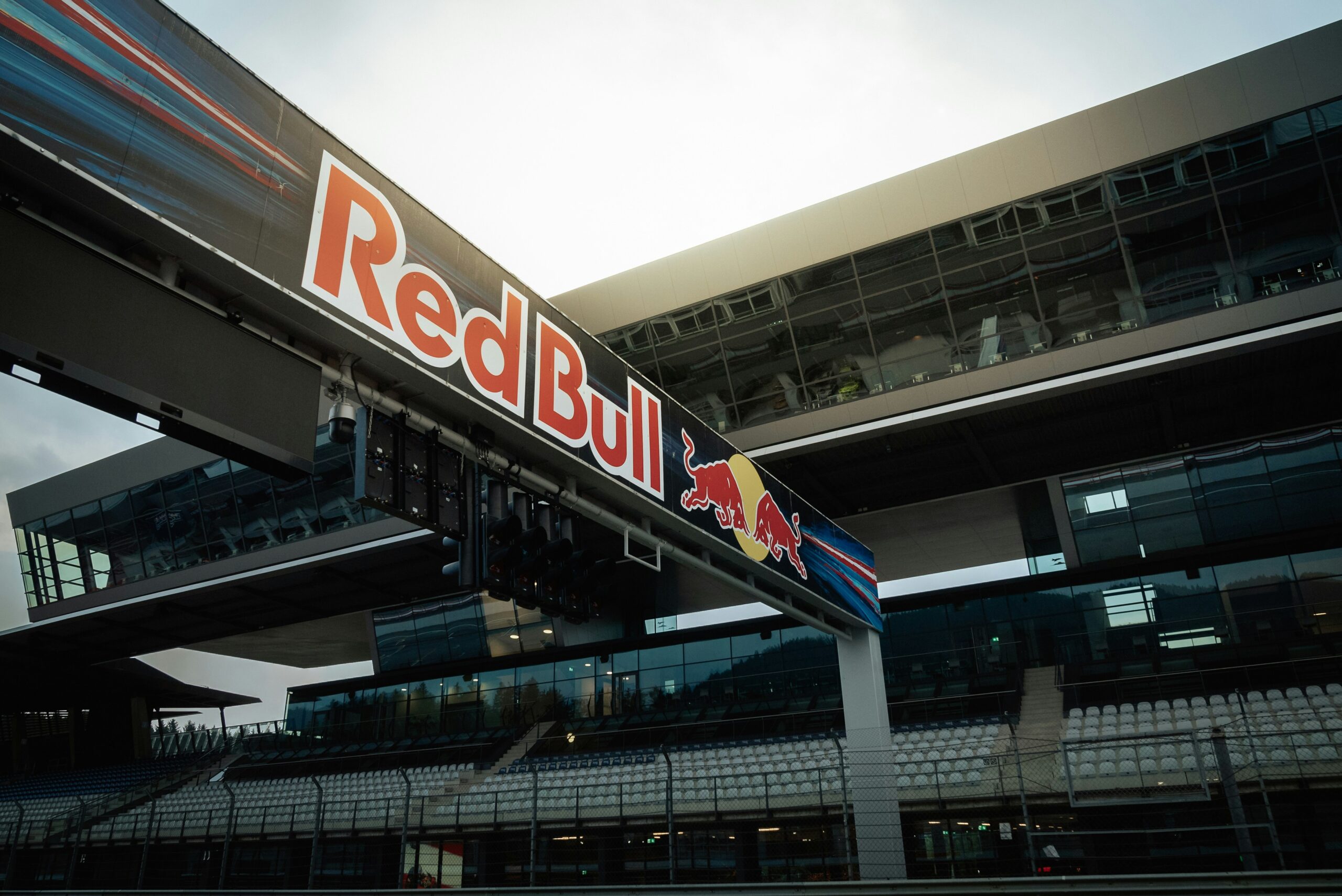
Updated-Salzburg, 4 July 2026 -In November 2004, Ford sold its loss-making Jaguar Racing Formula One team to an Austrian energy drinks company for $1. Red Bull agreed to cover roughly $400 million in operating costs over the following three years. Twenty-one years later, the company has poured more than $2.3 billion into Red Bull Racing, won eight Constructors’ Championships, and turned a failing race team into one of the most efficient marketing machines in business history.
I think the $1 headline obscures the real story. Red Bull didn’t buy a race team. It bought a distribution platform — and then built an entire company around never having to pay retail price for attention again.
What Mateschitz Actually Bought
Join The European Business Briefing
New subscribers this quarter are entered into a draw to win a Rolex Submariner. Join 40,000+ founders, investors and executives who read EBM every day.
SubscribeDietrich Mateschitz had already sponsored Sauber, Arrows and Jaguar itself before 2004. He understood something most sponsors still don’t: owning the platform is cheaper than renting space on it forever. A normal beverage company pays for sponsorship and receives exposure in return — an expense that never converts into an asset. Mateschitz inverted it. Buy the team, control the content, then charge other companies to appear on it. Sponsorship expense became sponsorship income.
Red Bull GmbH is now privately valued above $20 billion, with brand value alone put at $10.2 billion by Interbrand. It sells over 12 billion cans a year across 178 countries, commanding 43% global market share — without ever running a conventional TV campaign. The team’s growth has tracked the sport’s own transformation: as F1’s $3.65bn revival took hold under Liberty Media, Red Bull was already positioned inside it, years ahead of the institutional money now following.
The Arithmetic
The numbers explain why this works. Running both Red Bull Racing and its junior team costs $300-500 million a year. Against that, industry estimates put the brand exposure value at $300 million or more annually — over $5 billion cumulatively across the team’s first 14 years. Layer on sponsorship recovery: Oracle alone pays roughly $110 million a year for title naming rights, alongside deals with Tag Heuer, Puma and others that partially fund operations rather than sitting on the P&L as marketing spend.
F1 also delivers something no other sponsorship category can match: frequency. A race happens roughly every two weeks during the season — about 22 exposures a year, indefinitely — versus a World Cup or Olympics cycle that resets every four years. Even at the high end of costs, the net annual spend on running the F1 operation is lower than an equivalent traditional ad campaign would cost. Red Bull is buying its own marketing budget at a discount.
The Sponsorship Arbitrage
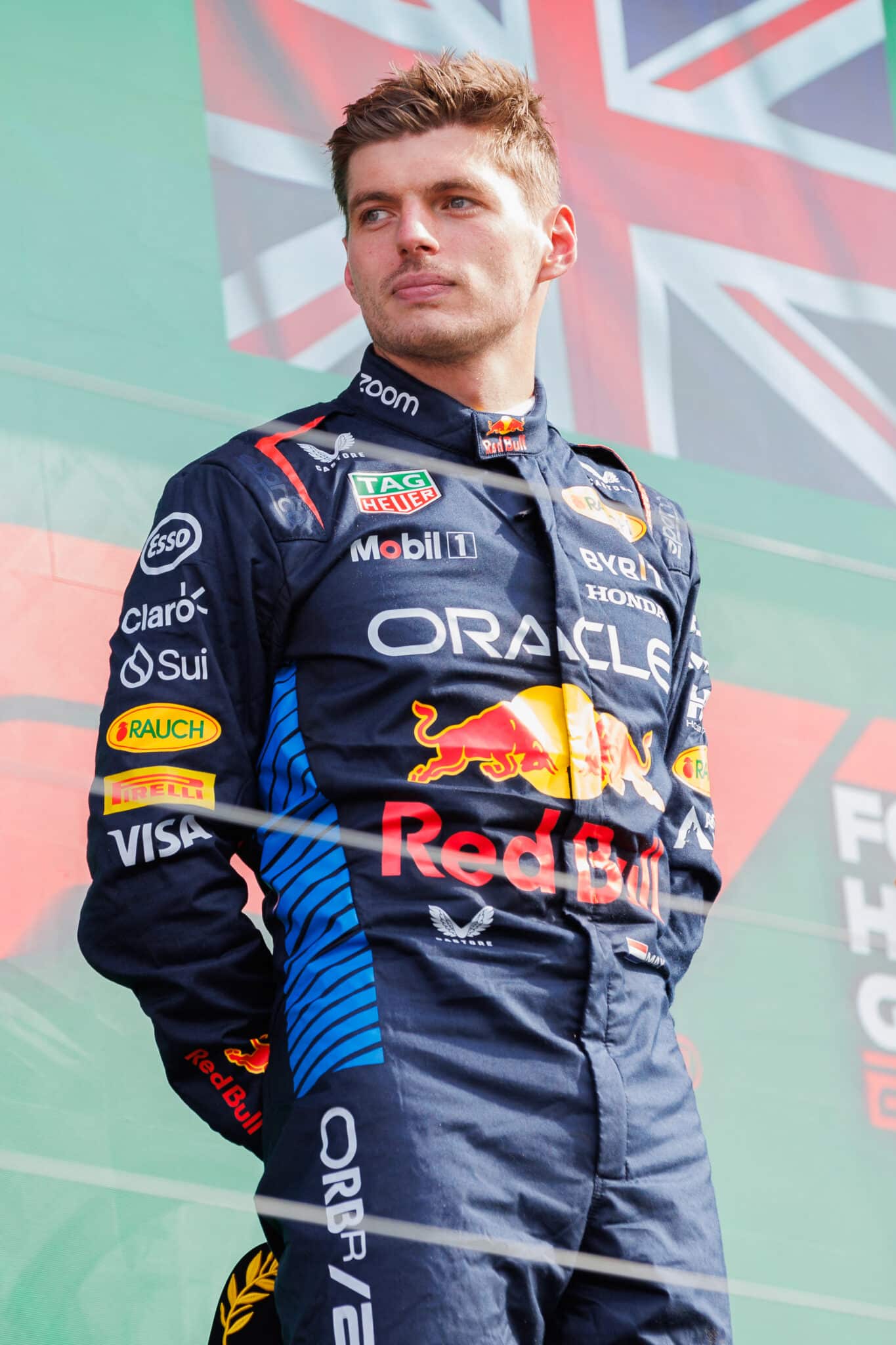
Once you own the team, every logo on the car, the helmet, the pit wall and the press backdrop becomes a tenant paying you for distribution. Oracle’s naming-rights deal is the clearest example: Oracle buys global F1 visibility for itself while simultaneously subsidising Red Bull’s own brand exposure. Red Bull captures both sides of that transaction — something almost no European sponsor, in football, fashion or luxury, has managed to replicate. Most still write the cheque and hope for reach. Red Bull gets paid to be seen.
The Talent Pipeline Nobody Copies
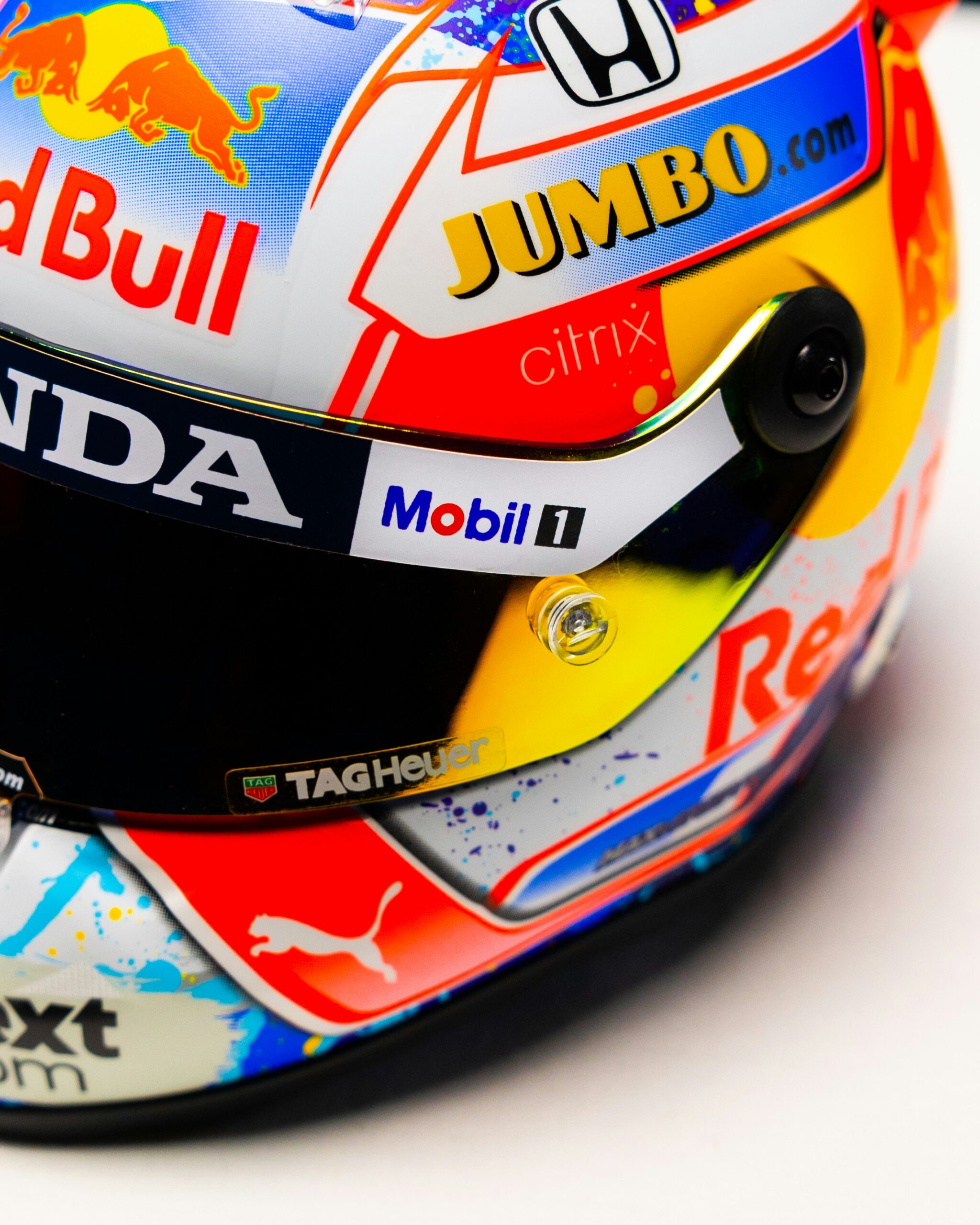
The part of the model competitors miss entirely is the pipeline. Sebastian Vettel — now retired — and Max Verstappen, still driving for Red Bull today, were both recruited from junior categories through the Red Bull Junior Programme, and would each have cost the team $50-80 million a year if signed at open-market rates after becoming established stars. Instead, Red Bull developed them from adolescence — Verstappen was discovered at 12, signed to the junior team at 17 — and retained them well below market value, while capturing the full brand upside of every championship they won. The pipeline is still running: Isack Hadjar, promoted from Racing Bulls after a standout rookie season, is now Verstappen’s 2026 teammate at Red Bull, the latest graduate of the same development system that produced both champions before him.
Verstappen’s $250 million fortune is the clearest evidence of how lopsided that arrangement is: built almost entirely through a Red Bull contract that pays a fraction of what an open-market auction would have produced for a four-time world champion. The same logic runs through football, where agents like Jorge Mendes have professionalised the agent economy in football around client development — but no European club or federation has built a talent pipeline that captures upside the way Red Bull’s junior programme does.
The same principle extends to every other Red Bull vertical. Felix Baumgartner’s 2012 stratospheric jump drew more than 8 million live viewers and an estimated 7% sales bump over the following six months. RB Leipzig, RB Salzburg and New York Red Bulls aren’t football clubs carrying a sponsor’s name — they’re talent and visibility platforms running the same playbook as the F1 team, backed by a media house that has employed hundreds of filmmakers since 2007 to keep content flowing across all of them continuously.
Why Europe Hasn’t Learned This
Three lessons sit inside the Red Bull case that most European businesses still haven’t absorbed. First, platform ownership beats platform rental — the logic behind Hermès owning its workshops or LVMH owning auction houses, and the reasoning behind LVMH’s F1 title sponsorship, still a rental rather than ownership stake. Second, sponsorship-as-revenue is a structural advantage almost no continental brand has claimed; most still treat sponsorship purely as a cost line. Third, and least appreciated, talent pipelines compound at a rate the open market simply cannot match once a star has already proven themselves.
Athletes outside racing have started applying the same architecture. Lewis Hamilton’s post-Ferrari empire — a production company, a Broncos stake, a tequila brand — runs on the identical principle of owning assets rather than renting association with them. My read is that this shift, athletes and institutions building owned platforms instead of collecting endorsement cheques, is the direction all of elite sport’s commercial economics are heading.
The Bottom Line
Mateschitz didn’t buy a Formula One team for $1. He bought the right to stop paying retail for attention, permanently. The team, the media house, the football clubs and the junior programme are all the same trade repeated across different verticals: acquire the platform once, then let sponsors and rivals subsidise your own visibility indefinitely. Twenty-two years on, almost no European company — in luxury, football or beverages — has copied the model at anything close to Red Bull’s scale. The ones circling it now, LVMH’s sponsorship, Hamilton’s ventures, are still operating at the margins of a playbook Mateschitz wrote in full.
Related Analysis