





























H1: Mastercard Is Preparing Europe for the Day the Lights Go Out
London, 8 October 2026 — EBM Newsdesk Analysis — By Nick Staunton
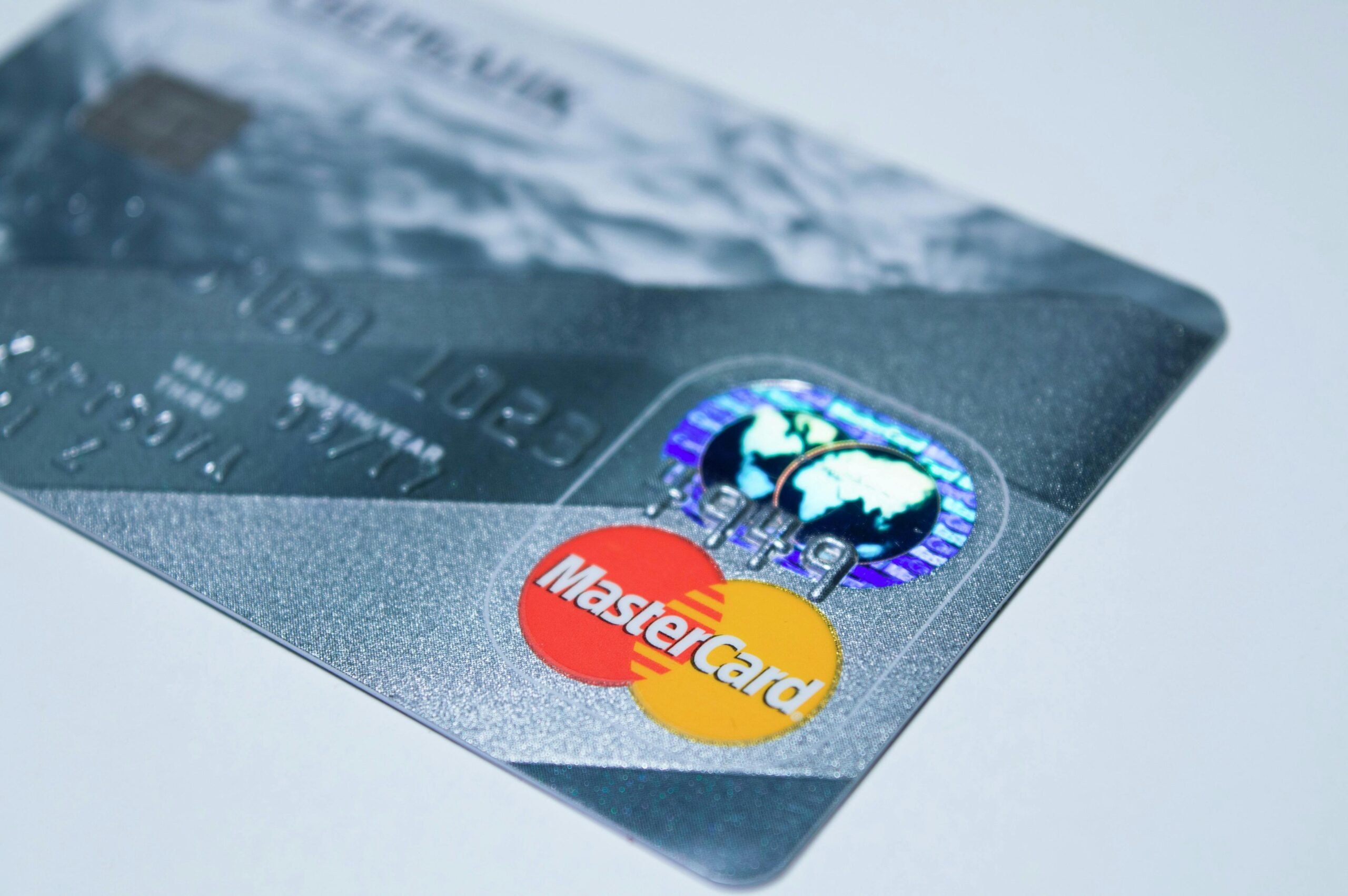
When the power failed across Spain and Portugal in April 2025, an estimated 55 million people suddenly couldn’t make digital payments. Card terminals went dark, supermarkets turned customers away and anyone without cash was stuck. Eighteen months later, Mastercard has announced its response. From February 2027, every newly issued Mastercard card in Europe will be able to make offline payments. From May 2027, every new or replacement payment terminal will have to support them.
The change sounds technical, but it matters a great deal. Europe has become one of the most cashless regions in the world, and the Iberian blackout showed what happens when that system fails. Mastercard is building a backup for the continent’s everyday spending. That raises a further question: why is an American company the one doing it?
Join The European Business Briefing
New subscribers this quarter are entered into a draw to win a Rolex Submariner. Join 40,000+ founders, investors and executives who read EBM every day.
SubscribeHow Offline Payments Work
The system is simple. A spending limit is stored securely on the card’s chip. If a terminal loses its connection, the payment is approved by the card and terminal themselves, up to a maximum of €200 per transaction set in advance by the cardholder’s bank. The payment is then processed once the connection comes back.
In practice, people will be able to use chip and PIN during an outage to buy food, fuel and medicine at supermarkets, petrol stations and pharmacies, and at ticket and travel machines.
“When the power or network goes down, people still need to buy food, fuel and medicine,” said Brice van de Walle, executive vice-president for core payments at Mastercard. “We’ve seen that offline payments can make a real difference.”
It Already Works in the Nordics and Baltics
This has already been tested. Mastercard has introduced offline payments in Denmark, Sweden, Estonia and Latvia. During a recent storm in Latvia, card payments kept working in shops running on local generators. In Denmark this spring, a technical fault cut terminals off from the payment network, and Mastercard’s emergency procedures kept many payments going at essential retailers.
The countries chosen first are telling. The Nordic and Baltic states are among the most cashless societies in Europe and among the most exposed to Russia. Undersea cables in the Baltic have been damaged repeatedly, and governments there now treat payment systems as critical national infrastructure. Europe’s broader push to rearm and harden its infrastructure now covers card payments as well as tanks.
The Trade-Off: Resilience Against Fraud
Offline payments carry a risk. When a terminal can’t check with the bank, it can’t confirm in real time that a card hasn’t been stolen or that the account has money in it. That is why there is a €200 cap, and why banks set the limits rather than Mastercard. Banks will absorb some losses in a blackout in return for keeping people able to shop.
That is a reasonable trade-off, but it needs monitoring. Organised fraud networks quickly find gaps in payment systems. An outage caused deliberately, whether by a cyberattack or sabotage, could be timed to exploit offline limits. Banks will need to watch for unusual offline spending as closely as they watch for any other fraud.
The Sovereignty Question
There is also a bigger issue. Around two-thirds of card payments in the eurozone go through international card companies, mainly Mastercard and Visa, according to the ECB. Europe’s ability to keep paying during a crisis now depends heavily on decisions taken by a company headquartered in New York.
This time, the decision suits Europe. Mastercard says it worked with national governments, regulators and central banks, and it has spent the past year investing in local infrastructure and cybersecurity in Europe. Still, the episode supports the ECB’s case for a digital euro, which is designed to include its own offline payment function, and for European-owned payment systems. As with AI and cloud computing, who controls the infrastructure matters as much as whether it works.
It also puts pressure on fintechs. Revolut, Wise and others issue Mastercard and Visa cards across Europe. They will have to meet the same deadlines, which adds to their compliance costs as they try to grow into full banks.
My Read
This is a sensible move, and arguably overdue. The Iberian blackout showed that a cashless economy is only as resilient as its weakest connection, and €200 offline payments are a practical fix. Shoppers will notice little. Retailers will have to replace older terminals, and banks will take on a little more fraud risk.
The bigger lesson is for governments, not card companies. Europe has built an economy that can’t function when the power goes off, and the backup is being provided by an American company. That should help the case for a digital euro with offline payments, and for keeping cash available. Until Europe controls its own payment systems, its resilience will depend on decisions made outside it.
Related Analysis






