






























Rome, 20 September 2026 — EBM Weekend Read — By Nick Staunton, Editor-in-Chief
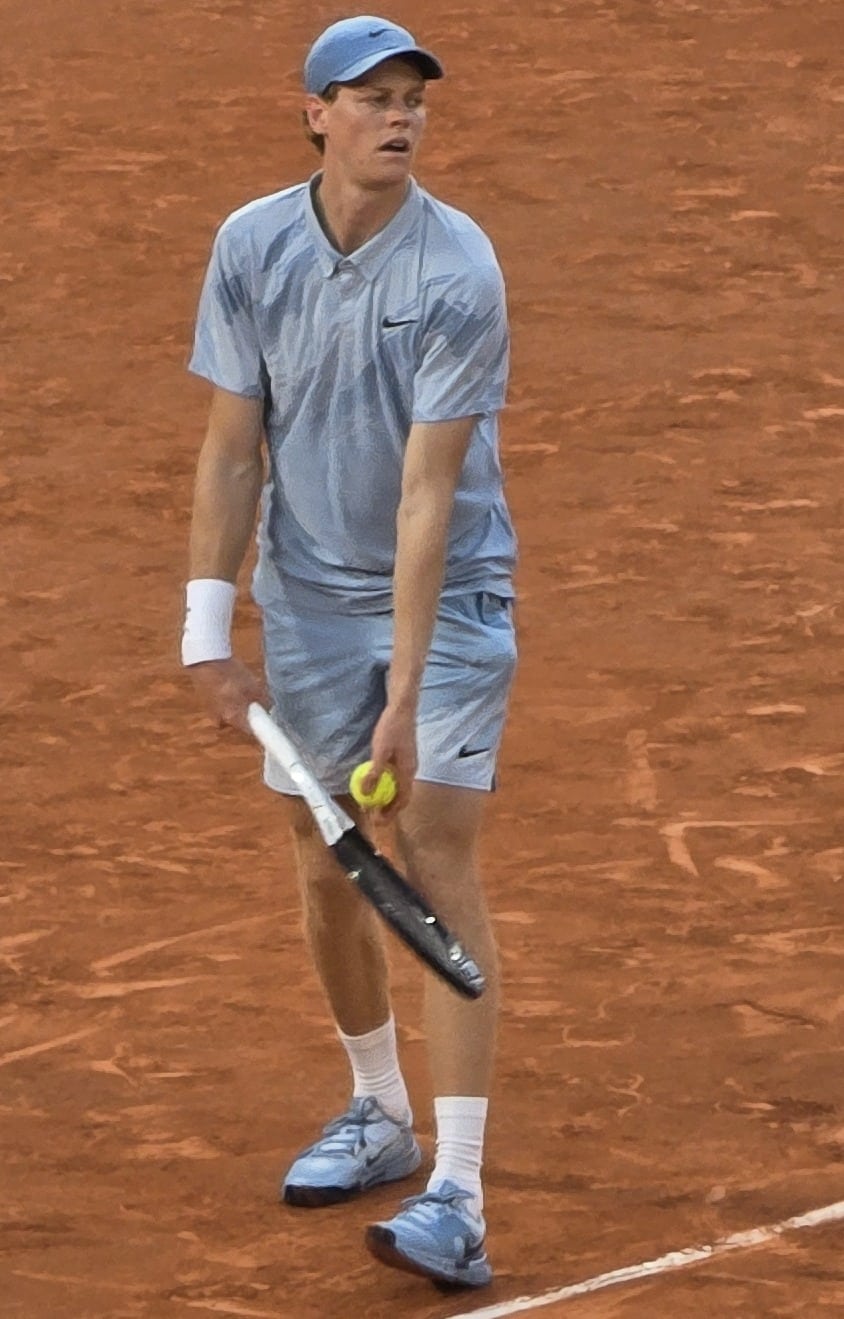
Jannik Sinner is 24, from Innichen, a small town in Italy’s German-speaking South Tyrol, and he was still a promising junior skier before he committed fully to tennis in his mid-teens. Four years after turning professional, he holds three Grand Slam titles, has been world number one, and sits inside a sponsor roster — Nike, Rolex, Gucci, Head, Lavazza, Allianz, Intesa Sanpaolo, La Roche-Posay — that reads like a luxury conglomerate’s own client list rather than an athlete’s endorsement sheet. He earned an estimated $58 million in the twelve months to August 2026, split roughly $23 million from prize money and $35 million from endorsements. The number itself isn’t tennis’s biggest — Alcaraz and Djokovic remain competitive on that measure. What’s actually interesting is the shape of it, and what that shape tells you about how sponsors are betting on where the sport goes next.
Building the Portfolio, Not Just the Ranking
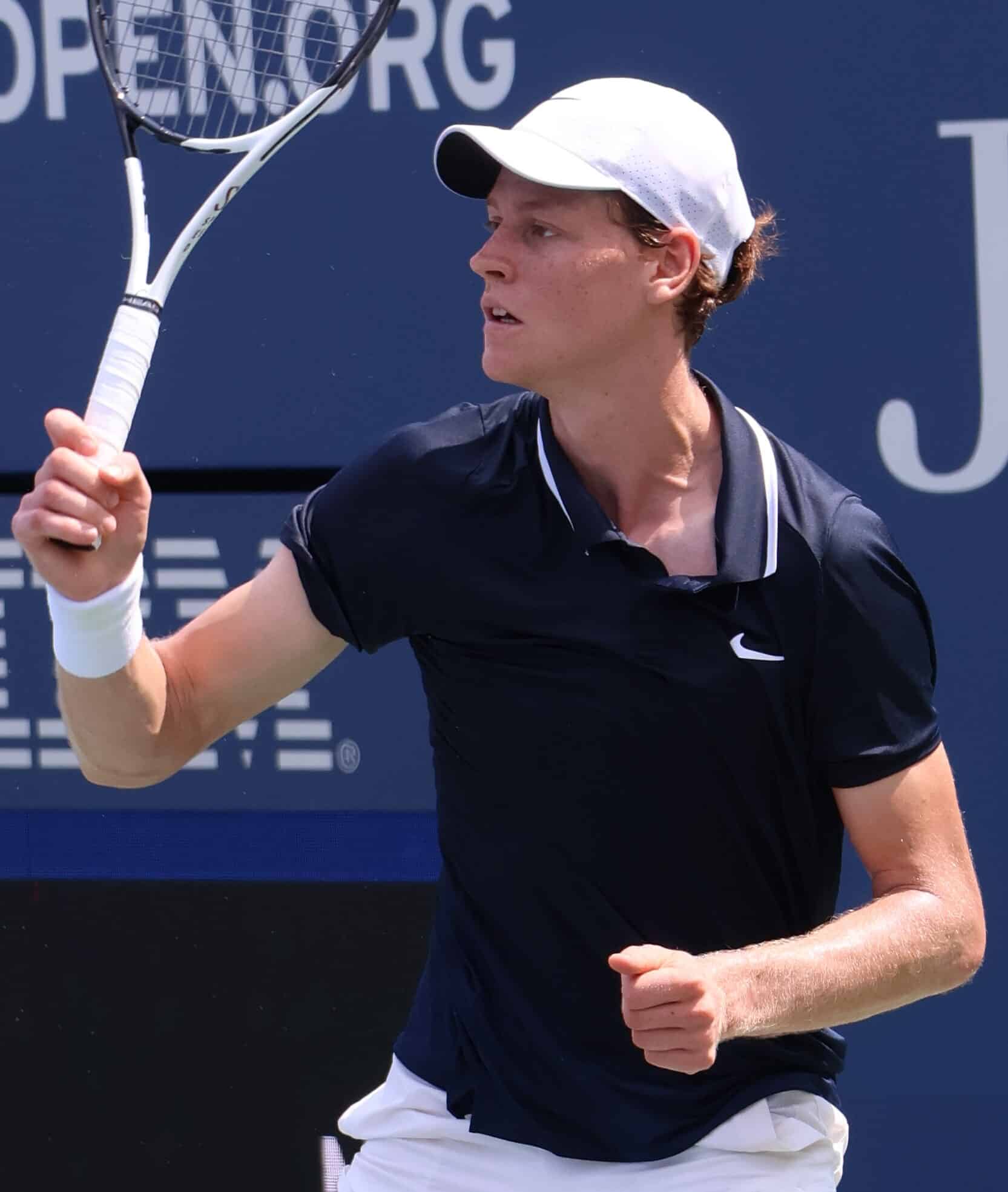
What’s notable about how Sinner’s commercial career has been built is the range of categories his sponsors span rather than the size of any single deal. Rolex and Gucci sit at the luxury end, buying association with precision and understated elegance rather than raw star power. Lavazza and Allianz are Italian national champions in coffee and insurance respectively, both clearly motivated by Sinner’s status as the country’s most successful men’s tennis player since the sport’s popularity peak decades ago. Nike anchors the athletic-performance end. Intesa Sanpaolo and La Roche-Posay round out a roster that touches banking, skincare and sport simultaneously — a spread that reduces Sinner’s dependence on any one sponsor’s marketing budget or category cycle, and one that took years of deliberate deal-making to assemble rather than a single signature moment to trigger.
Join The European Business Briefing
New subscribers this quarter are entered into a draw to win a Rolex Submariner. Join 40,000+ founders, investors and executives who read EBM every day.
SubscribeThat breadth matters more now than it would have a decade ago, because the sport’s commercial centre of gravity has shifted from single dominant stars toward genuine rivalries as the actual product brands are buying. Sinner’s rivalry with Carlos Alcaraz has become men’s tennis’s defining storyline in the post-Federer-Nadal-Djokovic era, and sponsors on both sides of that rivalry are, in effect, buying into the narrative itself rather than betting on a single player’s longevity. That’s a materially different commercial logic than the one that built Federer’s career, where one player’s individual brand carried an entire sponsor ecosystem for two decades. Sinner and Alcaraz function more like two halves of a single commercial product: neither’s endorsement value would be quite as high without the other actively pushing him.
Why a Global Sponsor Roster Chose an Italian Skier-Turned-Tennis-Player
The Federer Playbook, Applied Differently
Federer’s own transition from endorsement income to genuine equity ownership — becoming a shareholder in On rather than simply a paid face — set the template every subsequent generation of tennis stars has been measured against. Sinner hasn’t yet made that leap; his current arrangements remain conventional endorsement deals rather than ownership stakes, which places him a step behind where Federer or Alcaraz’s own long-term ambitions are heading. Whether that changes depends on how much longer his career runs at its current level and whether any of his existing partners — Nike or Rolex being the most obvious candidates given the depth of the relationships — decide he’s become valuable enough to convert into something closer to a co-owner than a spokesman. The broader shift among elite athletes toward demanding equity over fees has been building across sport for several years now, and a player earning $35 million annually purely from endorsements is exactly the kind of commercial position from which that conversation typically starts.
What the Rise Actually Signals
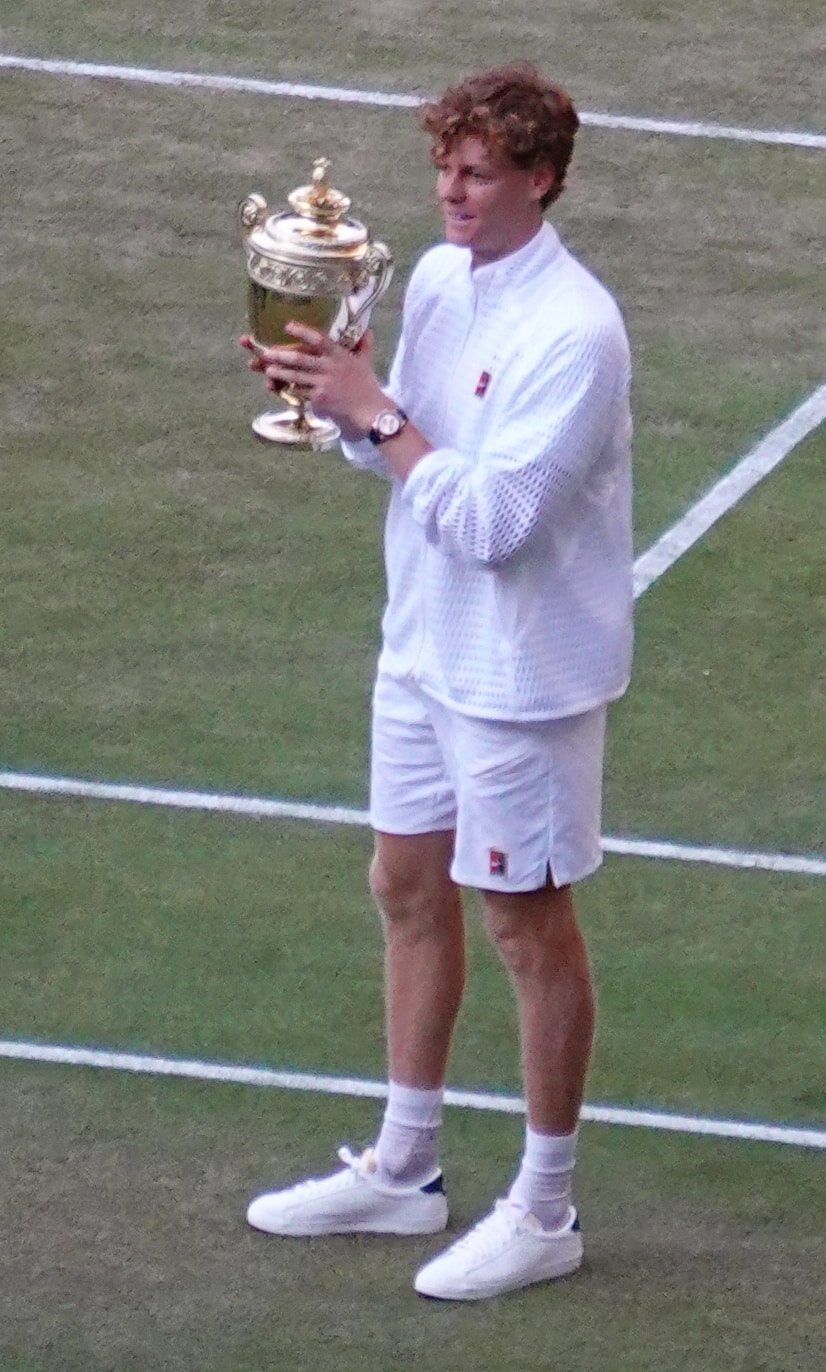
My Read: Sinner’s rise is a genuinely rare thing in modern sport: global commercial status built almost entirely on category breadth and a compelling rivalry, rather than on a single viral moment or a maverick personal brand. That’s a slower, more deliberate path than the one most young athletes chase, and arguably a more durable one — a sponsor roster spanning luxury, national champions and performance wear doesn’t unwind easily just because one season goes badly. The open question is whether Sinner ever makes the equity leap Federer made with On. Right now he’s collecting some of the best endorsement cheques in the sport. The bigger money, on tennis’s own recent evidence, sits on the other side of that decision.