






























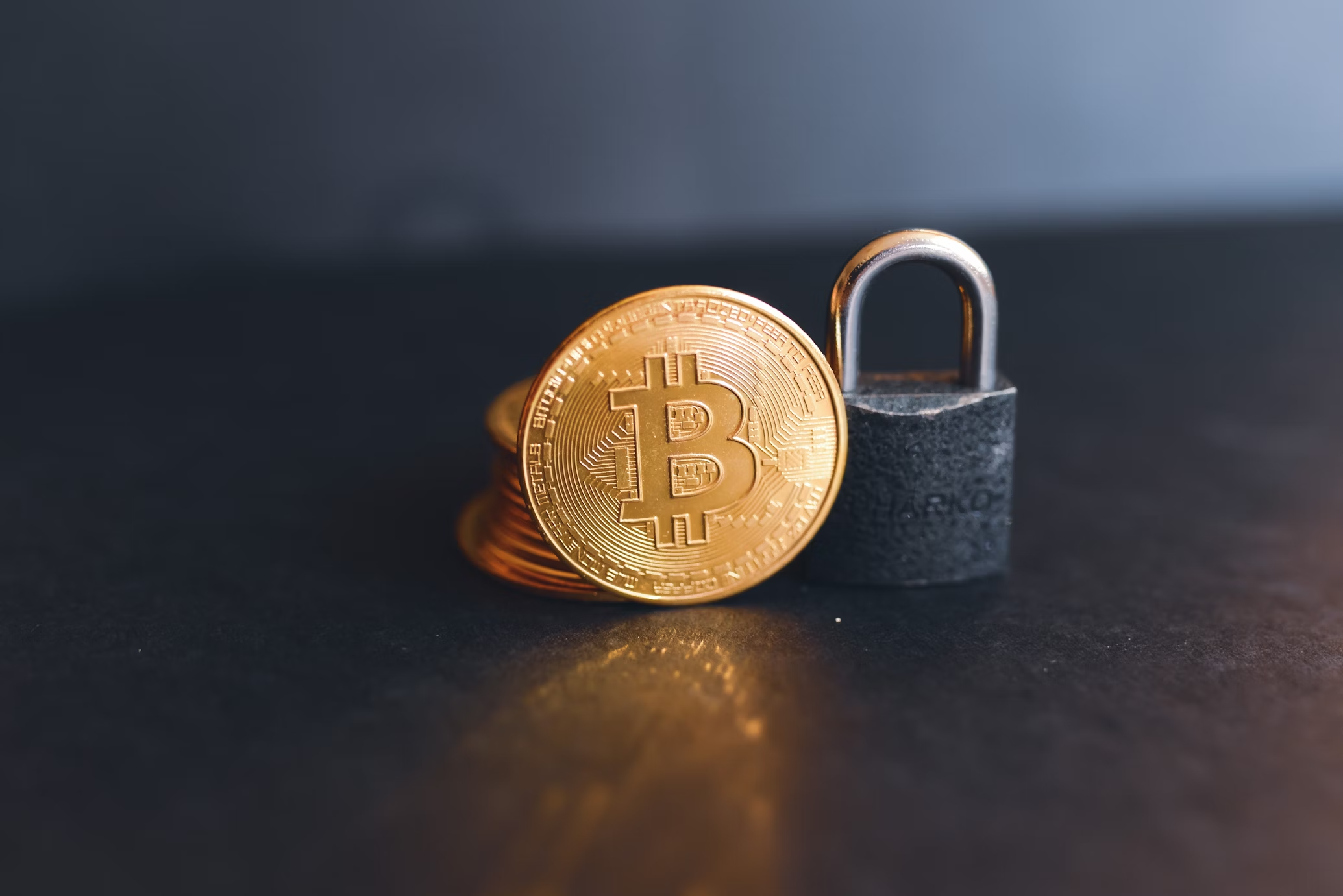
Bitcoin has broken away from the global sell-off in AI stocks. It recovered to about $84,000 on Tuesday even as chip stocks fell further across Asia. The cryptocurrency was briefly caught up in a wider retreat from risk over the past 24 hours. It then made a sharp V-shaped recovery and moved apart from both US equity futures and Asian semiconductor shares.
The sell-off started in the US last week. Reports suggested OpenAI’s revenue for the year could come in below expectations, and that called into question the spending boom behind the AI trade. It has since spread worldwide. Samsung Electronics and SK Hynix, which together make up more than half of South Korea’s Kospi index, have fallen 15% in five trading days.
Why Asia Is Taking the Hit
Asia’s chipmakers are the most direct bet on AI spending. They supply the memory chips that AI data centres consume in huge quantities. When investors start to doubt the revenue the AI developers can generate, the suppliers fall first and hardest. A 15% fall in companies that dominate an entire national index amounts to a repricing of South Korea’s economic exposure to AI, not just a move in two stocks.
Join The European Business Briefing
New subscribers this quarter are entered into a draw to win a Rolex Submariner. Join 40,000+ founders, investors and executives who read EBM every day.
SubscribeThe pressure on OpenAI also affects its largest backers. As we reported, SoftBank has staked its future on the AI build-out, and every doubt about OpenAI’s revenue reaches its balance sheet too.
Bitcoin’s Unexpected Resilience
Bitcoin usually trades like a leveraged tech stock in risk-off periods, so this decoupling stands out. Some support came from Strategy, which bought a modest $22m of bitcoin on Monday. The company, formerly MicroStrategy, holds more bitcoin than any other listed firm.
The options market gives a better picture of sentiment, which remains cautiously bullish. Short-dated options haven’t returned to the call skew of early October, when traders were paying a premium to bet on gains. They have, however, cut back on downside protection, and the put skew at the front of the curve has eased. Traders are still hedged, but they are less worried than they were a week ago.
The wider backdrop is still difficult. Bond yields are near multi-decade highs, central banks are still raising rates, and the IMF has just warned rich governments to cut borrowing. Speculative assets rarely do well for long in that environment.
What I Think
One day’s recovery doesn’t make bitcoin a safe haven. Bitcoin has decoupled before and then fallen with everything else once the selling became widespread. What is notable is that crypto traders aren’t treating the AI sell-off as their problem.
The real test is the third-quarter earnings season. If the big US tech companies show that AI spending is turning into revenue, the sell-off will look like a buying opportunity and risk appetite will return across markets. If the numbers disappoint, the doubts that hit Seoul this week will spread to Wall Street. Bitcoin’s new independence would then be tested quickly.
For now, the message is that investors are questioning the AI trade, not risk-taking as a whole. Bulls in both markets need that to hold through to the end of the year.
Related Analysis






