London, 21 November 2026 — EBM Weekend Read — By Nick Staunton
In July, when news first broke that the Mittal family was circling Anfield, this magazine argued that Liverpool’s Mittal talks were about cash, not control. Fenway Sports Group, we said, was doing what it had done before: selling a slice of the club to raise money while keeping the keys.
Four months on, that verdict looks half right. The money was real. But the deal FSG signed in August contains an option that could hand control of one of the world’s most famous football clubs to a consortium led by a former Queens Park Rangers chairman, backed by the founder of Amazon.
What Was Sold
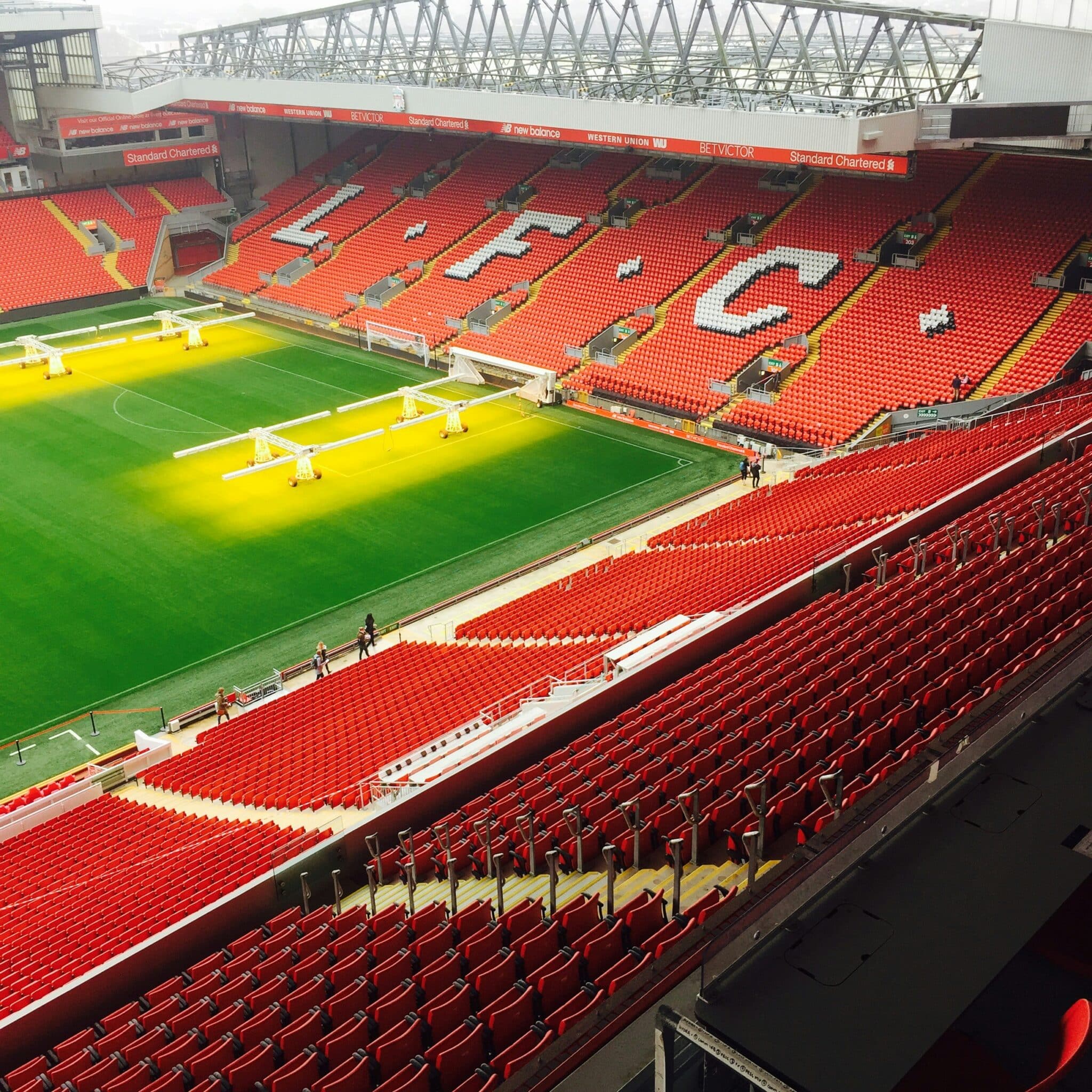 On 14 August, FSG announced a definitive agreement to sell part of Liverpool to 1892 Holdings, named after the year the club was founded. The consortium is led by Amit Bhatia, the son-in-law of steel billionaire Lakshmi Mittal. Its backers include the Mittal family trusts, K5 Sports, in which Jeff Bezos is the lead investor, and EE Capital, the family office of Facebook co-founder Eduardo Saverin and his wife, Elaine.
Join The European Business Briefing
New subscribers this quarter are entered into a draw to win a Rolex Submariner. Join 40,000+ founders, investors and executives who read EBM every day.
SubscribeThe size of the stake has crept upwards. Early reports put it at about 30%. Later reporting put the figure at 38%, worth around £2bn and valuing the club at about £5.5bn. Bhatia became vice-chairman. Bezos took no role at the club and has kept a low profile.
On the surface, nothing changed. FSG kept majority ownership and operational control. John Henry and Tom Werner remained in charge, and Liverpool’s football department carried on as before.
The Small Print
The interesting part arrived in November. According to The Athletic, the agreement is structured so that 1892 Holdings can raise its stake to about 69% within 12 months, enough for outright control. It could then go further and buy the whole club.
There is one catch. Those options only apply once the new Independent Football Regulator has approved 1892 Holdings as a part-owner, and that approval is reported to be close.
When the deal was announced in August, it was presented as a partnership. Reports at the time stressed that the transaction didn’t oblige FSG to sell any more of the club. That remains true: an option to buy is not an obligation to sell. But a consortium doesn’t secure a route to 69% unless it intends to use it.
The more accurate description is a staged takeover. Instead of selling the club in one go, FSG has sold the first instalment and given the buyer a path to the rest.
Why FSG Might Want Out
FSG bought Liverpool in 2010 for about £300m. It inherited a club weighed down by debt from its previous American owners, and over the following decade it rebuilt the business. It expanded Anfield, built a new training centre and won the Premier League and the Champions League under Jürgen Klopp.
It has also been testing the market for years. It invited offers in 2022. In 2023 it sold a small stake of about 3% to Dynasty Equity at a valuation of just over £3.3bn. Three years later, the 1892 deal values the club at around £5.5bn. That’s an increase of about two-thirds, and a strong return on the original investment.
Spending is also a factor. Christian Purslow, Liverpool’s former managing director, has suggested that the club’s £450m outlay in the summer transfer window helps explain why FSG was willing to sell such a large stake. Elite football keeps getting more expensive, while income from shirt sponsors and broadcast rights faces pressures of its own. An owner that wants to compete has to keep putting money in, or find someone who will.
FSG also has other priorities. It owns the Boston Red Sox and a portfolio of American sports businesses. For a group based in Boston, a staged exit from Liverpool at a record valuation is a sensible move, not a betrayal.
Who Is Buying In
The buyers are worth looking at closely. The Mittal family has been building a sports portfolio and bought a majority stake in cricket’s Rajasthan Royals earlier this year. For them, Liverpool is an investment with a trophy attached, not a passion project.
Bezos is a different case. His K5 Sports fund is reported to be the largest investor in the consortium, which makes Liverpool his first significant move into football. The richest owners in sport now treat clubs the way they treat other trophy assets, from Formula One drivers’ contracts to the commercial empires of tennis stars: scarce, global and very hard to replace.
There is a wider trend here too. Across Europe, ownership of the biggest clubs is moving away from individual benefactors and towards consortiums, funds and family offices. Chelsea’s ownership has passed to the private equity firm Clearlake. The NBA is using private equity to lure Europe’s football giants into basketball. Even old family dynasties like the Agnellis at Juventus increasingly run clubs as part of a wider investment portfolio.
What It Means for Supporters
For fans, the immediate impact is small. The manager, the sporting director and the budget are still FSG’s responsibility, and nothing changes until the regulator has signed off. The bigger questions come later.
If 1892 Holdings exercises its options, Liverpool will have a new controlling owner for the first time in 16 years. That would mean a new strategy, new spending priorities and, most importantly, a new view on debt. Liverpool fans remember how a leveraged takeover nearly broke the club in the 2000s. The regulator now has the power to examine any controlling owner’s finances, which offers a protection that didn’t exist then.
My Read
FSG has managed a clever exit. It has turned its Liverpool investment into cash in stages, at a record valuation, without the public row that usually comes with a full sale. At the same time, it has given a wealthy and patient consortium a clear path to control.
In July we said it was about cash, not control. The more accurate answer is that it’s about cash now and control later. The option runs for a year. Liverpool fans should watch the regulator’s decision closely, because once it is made, Anfield could change hands without another announcement on the scale of August’s.
Related Analysis