





























Turin, 12 September 2026 — EBM Weekend Read — By Nick Staunton, Editor-in-Chief
In Italy, one family owns Ferrari, Jeep, Chrysler, Maserati and a majority stake in The Economist. They also own a football club worth over $2bn and Italy’s oldest continuous shareholding relationship with any sports team, dating to 1923. Almost nobody outside Italy could name them. The Agnellis have run this empire for four generations without ever standing for election, and the way they’ve done it — through a single holding company most people have never heard of — is a masterclass in how real industrial power actually works in Europe.
That holding company is Exor N.V., listed in Amsterdam, run from Turin, and controlled by the Agnelli family through a Dutch vehicle called Giovanni Agnelli B.V. The family holds roughly 53% of Exor. Everything else — every brand, every stake, every boardroom seat — flows downstream from that one number.
Join The European Business Briefing
New subscribers this quarter are entered into a draw to win a Rolex Submariner. Join 40,000+ founders, investors and executives who read EBM every day.
SubscribeThe Portfolio Behind the Portfolio
Four Generations, One Playbook
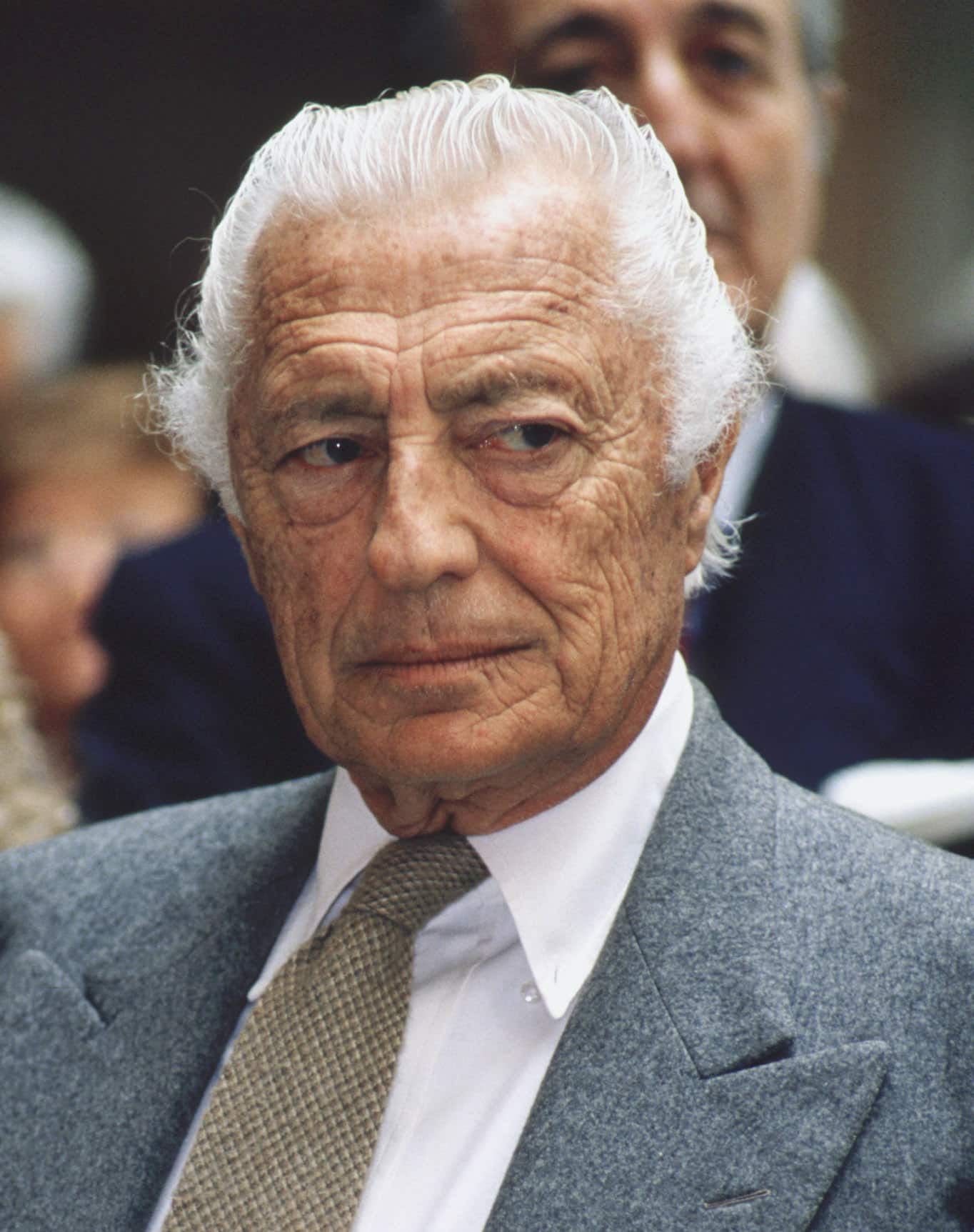
The empire started with a single company. Giovanni Agnelli founded Fiat in 1899. His grandson Gianni Agnelli — the “Avvocato,” Italy’s closest thing to industrial royalty — ran the business from 1966 to 2003, expanding it into the conglomerate that would eventually spin off Ferrari, absorb Chrysler, and become Stellantis. The current chairman, John Elkann, is Gianni’s grandson, and he has spent the past decade doing something his forebears never quite managed: diversifying deliberately away from cars.
That diversification is a direct hedge against a business the family knows better than anyone else is structurally exposed. Automotive is capital-intensive, cyclical, and — as Stellantis’s own recent Chinese-competition problems demonstrate — increasingly vulnerable to competitors who can build the same car for less. The Philips stake, built up steadily since 2023 to its current 17.51%, is explicitly a bet that medical technology carries a demographic tailwind — an ageing Europe needs more diagnostic and monitoring equipment regardless of what happens to car sales — that automotive simply doesn’t have. PartnerRe moved the family into insurance float, the same mechanism Warren Buffett has used at Berkshire Hathaway for decades: hold customers’ premium income and invest it long before claims come due, effectively borrowing money at a negative interest rate for as long as the underwriting stays disciplined. Neither move was about chasing a hot sector. Both were about not having the entire family fortune’s fate tied to one industry’s business cycle.
Patient Capital Has Limits
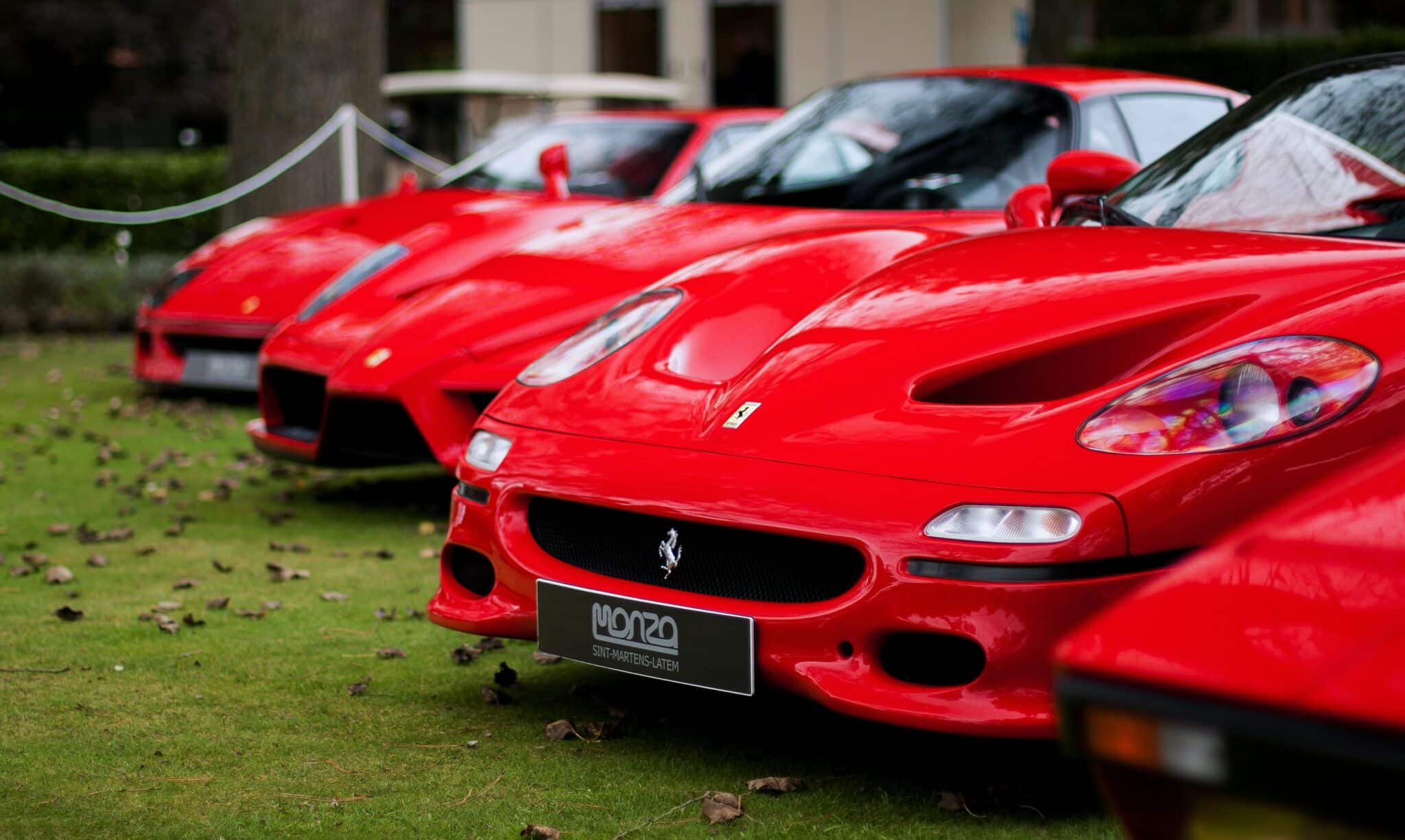
The football club is the clearest illustration of what “patient capital” actually means in practice — and its limits. Exor bought into Juventus in 1923. A hundred and one years is not a typical private-equity holding period, and the club has been run more like a national institution than a financial asset. That patience was tested hardest by the Plusvalenze scandal: Italian prosecutors found that Juventus had been inflating the value of players in swap deals with other clubs — most infamously a 2020 trade with Barcelona in which midfielders Miralem Pjanic and Arthur Melo were valued at a combined €132m despite neither being remotely worth that on merit — allowing both clubs to book artificial capital gains and mask real financial losses. Of 62 transfers investigated across Italian football, 42 involved Juventus alone. The club was ultimately docked 15 Serie A points, chairman Andrea Agnelli resigned in November 2022, and Juventus was excluded from the following season’s Europa League. Even through that, the family never considered selling. That’s the pattern across the entire portfolio: Exor doesn’t flip assets when they become embarrassing. Ferrari’s own recent strategy — betting €550,000 on an electric four-door “Luce” even as Porsche and Lamborghini retreat from EVs — is the kind of long-cycle, brand-first wager that only makes sense to a shareholder measuring success in decades rather than quarters.
Not every holding is thriving equally, and Stellantis is the clearest current stress test of that patience. The company has been letting Chinese rivals build cars inside its own European factories — putting Dongfeng’s Voyah brand into its Rennes plant and offering space in Spain — because European plants are running at roughly 55% of capacity and an idle assembly line costs money regardless of who’s using it. The company has also taken a controlling stake in Chinese EV maker Leapmotor, effectively building a parallel low-cost EV brand inside its own network that undercuts its own Peugeot and Fiat models by thousands of euros. Whether that’s shrewd hedging or a symptom of a conglomerate structurally exposed to the auto industry’s weakest segment is genuinely an open question — and it’s the Agnellis’ money underwriting the answer either way.
The Family Behind the Family
The family isn’t immune to the ordinary messiness of inherited wealth, either. Gianni Agnelli’s daughter Margherita has spent years contesting the inheritance arrangement that left her excluded from the family business and, she claims, missing artwork including works by Picasso — a dispute that predates John Elkann’s chairmanship but still shadows any account of how the empire actually got divided. And in December 2025, journalists at La Stampa and La Repubblica — both owned via Exor’s wholly-owned GEDI media group — went on strike over a reported plan to sell Italian media assets to a Greek broadcaster, a reminder that even a media empire built on patient capital eventually collides with a newsroom’s own editorial independence.
The Agnellis are proof that the most durable form of corporate power in Europe isn’t the businesses with the loudest brand names — Ferrari and Jeep are just the visible tip — it’s the ownership structure sitting quietly above them, built to survive scandals, recessions, and four generations of succession without ever needing to answer to a quarterly earnings call the way a conventional public company would. Loyalty shares and a controlling family stake let Exor make thirty-year bets that no activist investor could force through at a normal listed company, and let a scandal like Plusvalenze cost points and a chairman without ever costing ownership. That’s a genuine structural advantage, and one increasingly copied across Italian and French capitalism precisely because it works. It’s also exactly why almost nobody outside Italy can name the family running one of Europe’s most important industrial empires — the entire design is built to keep the machinery invisible while the brands do the talking.






