






























London, 1 October 2026 — EBM Newsdesk Analysis — By Brad Adams
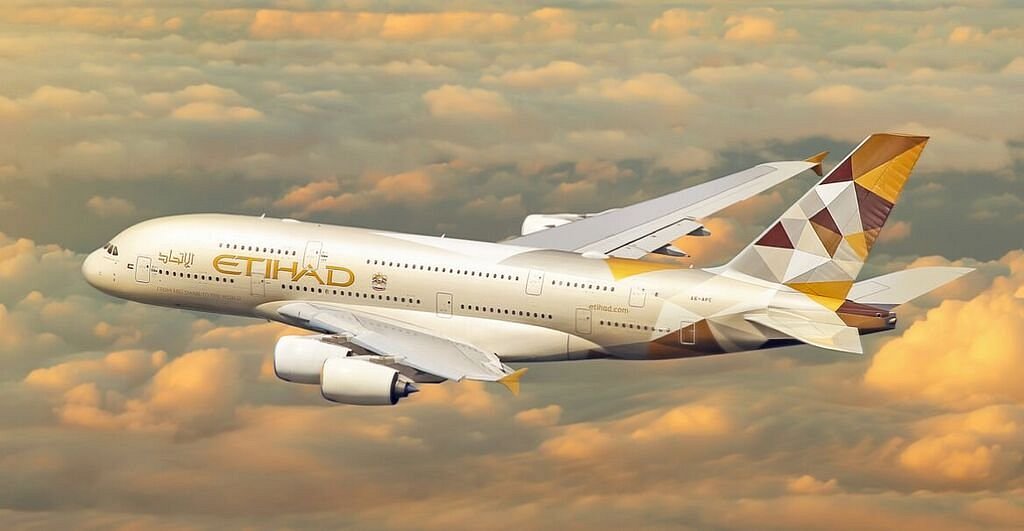
On Wednesday, 30 September, Etihad Airways said it is considering legal action against the Premier League after an independent commission found Manchester City guilty of serious breaches of financial rules. The airline said the league never contacted or engaged with it during the process. It said it was “deeply concerned” by how the findings were communicated, and that the Premier League must take responsibility for the consequences. Etihad is now taking legal advice on how to protect its interests.
This is a significant escalation. Etihad has been City’s principal sponsor since 2009, and the club’s stadium has carried its name since 2011. The commission’s finding of more than £900m in inflated finances rested heavily on sponsorship from Abu Dhabi-based companies. In effect, a central party in the case is saying it was judged without being heard. That changes the story from a club fighting a verdict to a state-owned airline challenging the league’s process.
Why Etihad Is Angry
The commission concluded that City arranged sham commercial deals with several sponsors, with most of the money provided by the club’s owners rather than the sponsors themselves. Etihad was never charged with anything, because the Premier League can only discipline its member clubs. But the airline’s name now sits beside the word “sham” in headlines around the world.
Join The European Business Briefing
New subscribers this quarter are entered into a draw to win a Rolex Submariner. Join 40,000+ founders, investors and executives who read EBM every day.
SubscribeThat is a reputational problem for Etihad, and for Abu Dhabi. City’s owners have built the club into a showcase of the emirate’s sovereign wealth and soft power. Etihad cannot be seen to accept quietly a finding that its flagship sponsorship was largely a disguise.
What Happens Next
City has until 2 October to lodge its appeal. The Premier League and the club can each propose a punishment before the commission decides on sanctions, which senior football figures expect before the end of the season.
Etihad’s threat adds a new front. Any legal claim would probably focus on process and reputation rather than the verdict itself, which is a matter between the league and City. Even so, it gives City’s side more pressure to apply and more time to apply it.
The business stakes go beyond one club. City’s commercial income helped make it one of Europe’s biggest clubs, and investors now price clubs largely on revenue. Buyers from private equity to Gulf funds will watch how related-party sponsorships are treated. The same question hangs over Gulf money across sport.
The Verdict
Etihad has a fair point on process. If a sponsor’s deals are central to a finding, it is reasonable to ask why it was never asked for its side. But that does not change what the commission found about where the money came from. This looks like the opening of a long legal campaign to make the punishment as hard as possible to impose. The Premier League won its case. Now it has to show it can enforce it.
Related Analysis