London, 21 November 2026 — EBM Weekend Read — By Nick Staunton
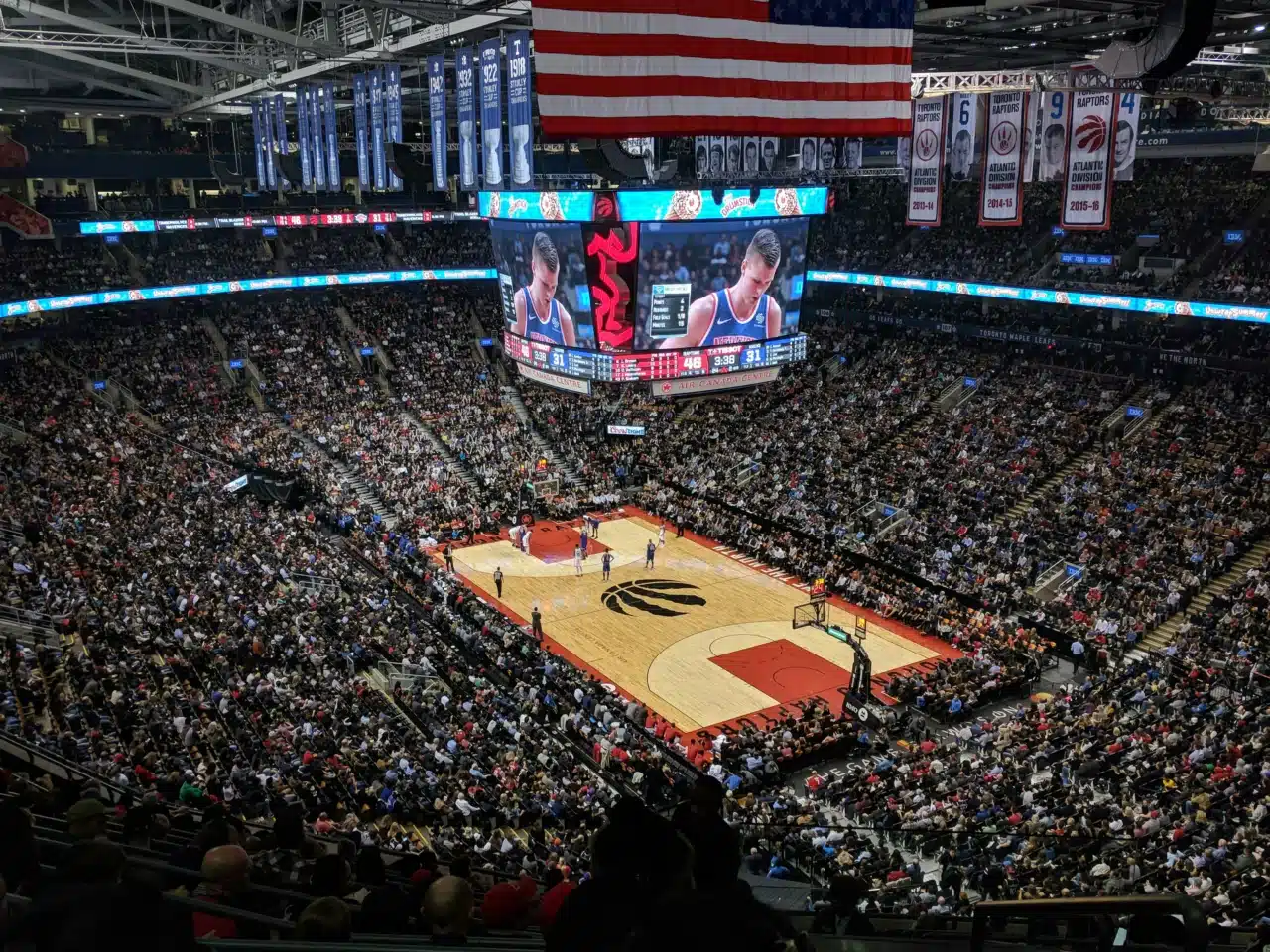
Eleven months before its planned launch, the NBA’s European league has no teams. It has no signed owners and no agreement with the EuroLeague, the competition that already runs the continent’s best basketball. What it does have is a commissioner who wants a launch date next October, and, as of this week, a plan to get round the problem.
According to Sky News, which first reported the plan on Monday, the NBA is putting together a multibillion-dollar fund to pay for new arenas across Europe. Blackstone, Ares Management and Arctos Partners are reported to be in talks to back it. The fund is aimed at four clubs in particular: AC Milan, Paris Saint-Germain, Barcelona and Real Madrid, with franchises planned in each of their cities.
You won’t find a basketball team on that list. These are four of the best-known football badges in the world. The NBA has worked out that it can’t build fan loyalty in Europe from scratch, so it is trying to borrow it.
Join The European Business Briefing
New subscribers this quarter are entered into a draw to win a Rolex Submariner. Join 40,000+ founders, investors and executives who read EBM every day.
SubscribeA League Without Teams
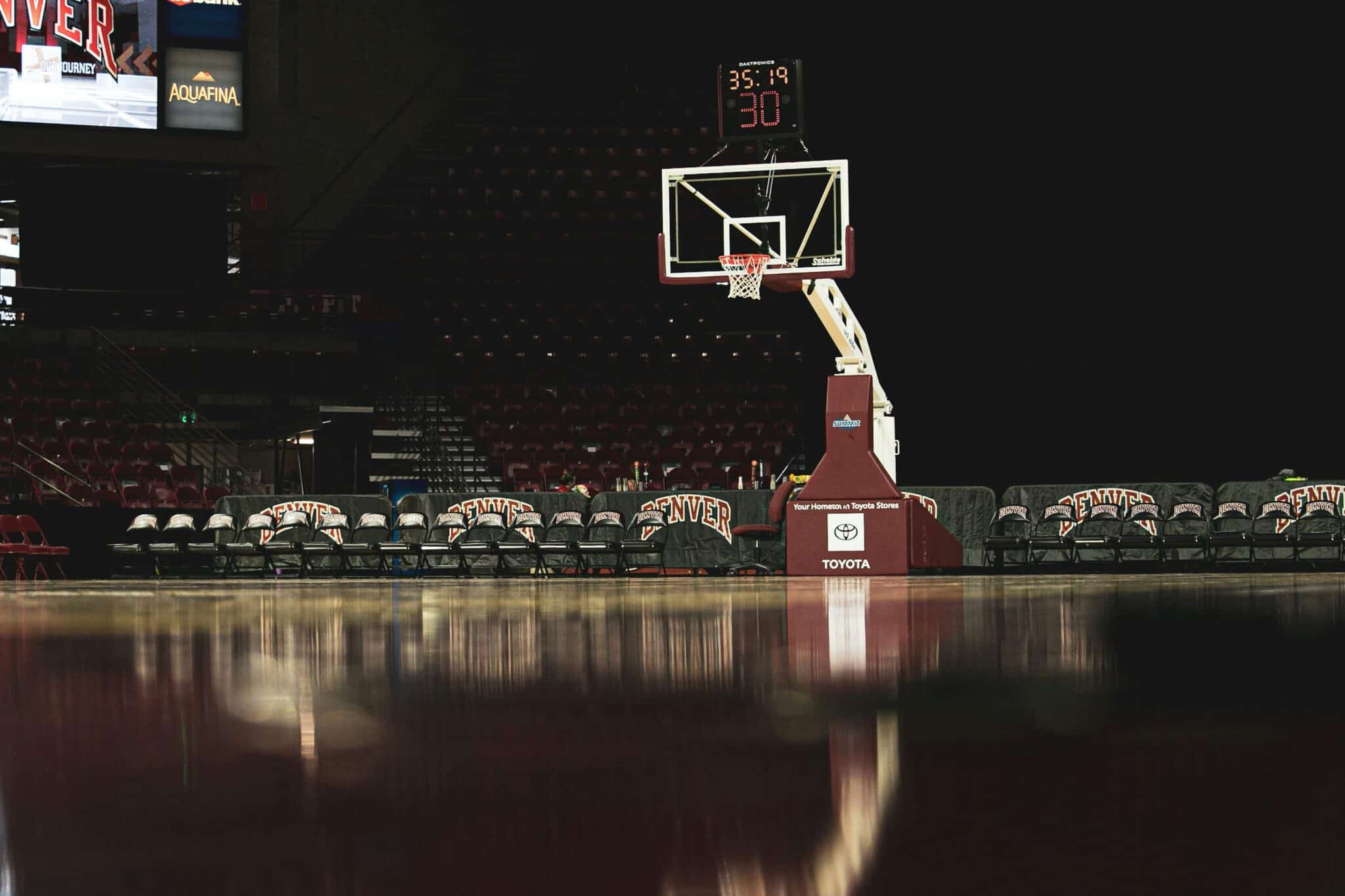 The original plan, announced with FIBA, the sport’s world governing body, was for a 16-team league: 12 permanent franchises plus four places earned through qualification. A permanent place would cost between $500m and $1bn, depending on the size of the city. The target was October 2027.
Most of that is still a plan. The NBA has collected bids, but it hasn’t awarded a single franchise. Talks with the EuroLeague, whose members include Real Madrid, Barcelona, Olympiacos and Fenerbahçe, broke down in October. Reports in the US now describe next autumn as a “soft launch”, which usually means a smaller start than the one people were promised.
The commercial case looks strong. Europe has around 270 million basketball fans, yet the sport accounts for only about half a percent of a European sports industry worth roughly $50bn. The NBA looks at that gap and sees what it saw in China twenty years ago: a huge audience nobody is making money from.
The problem is that fans don’t follow a logo they’ve never seen. American commentators have been unusually blunt about this. The NBA’s name carries far less weight in Europe than it does at home, and a league of brand-new teams would struggle to fill a gym. Real Madrid’s name would fill an arena.
What the Fund Is Really For
 This is where the arena fund comes in, and it is a clever piece of financing.
Most of Europe’s top football clubs either have no basketball arm or play in halls that would embarrass an NBA team. To build modern arenas, they would need hundreds of millions of euros on top of the franchise fee. For clubs that are already financially stretched, that is too much to ask.
The fund removes that cost. Private equity pays for the arenas, the NBA supplies a guaranteed tenant and a broadcast product, and the football clubs lend their badges. Each side gets something it couldn’t get alone. Blackstone gets long-term infrastructure assets with an anchor tenant in Europe’s capital cities. The NBA gets instant recognition. The clubs get a year-round venue and the concert, conference and hospitality income that comes with it, which Real Madrid has already discovered at the rebuilt Bernabéu.
This is the same pattern seen in American capital taking the lead roles in deals Europe should own. The money, the league and the commercial model are American. The pitch to Europe is that you supply the history.
The Super League Problem
There is an awkward echo here. In 2021, Real Madrid, Barcelona and AC Milan were among the founders of the football Super League. That project collapsed within days, after fans, governments and UEFA turned on it for creating a closed league for the rich.
The NBA’s plan is not the same thing. Basketball has no Premier League or Champions League to protect, and the FIBA partnership keeps a route in through qualification. But permanent franchises, bought for up to $1bn and protected from relegation, are much closer to the Super League than to how European sport normally works. European sport is built on promotion and relegation. Fans may tolerate that in basketball, because they care less, but they shouldn’t be expected to welcome it.
The EuroLeague is the other obstacle. It is the established product, and most of its clubs have so far refused to give up their independence for the NBA’s terms. If the NBA launches a rival competition with football’s biggest names, it is starting a war for players, broadcasters and sponsors in a market that is still small.
Why the Clubs Might Say Yes
For the football clubs, the decision is less romantic than it looks. Their main business is hitting a ceiling. Broadcast deals are flattening, salaries keep rising and UEFA’s spending rules limit how much they can lose. Growth now comes from owning more of the calendar: more events, more days a year when the stadium or arena earns money, and more content for global fans who watch on their phones.
A basketball franchise backed by the NBA does all of that. It brings a second season, another 40-odd home dates and a share of an American-style media business. It also means the club doesn’t have to fund the building itself. For PSG, which is owned by Qatar and has long wanted a bigger presence in Paris beyond football, the logic is especially clear.
My Read
The NBA has realised that its European problem isn’t about basketball. It’s about property and brands. The arena fund is the real product. The league is the reason to build it.
That makes the plan more likely to succeed than its empty team sheet suggests. Private equity will happily fund arenas with a tenant attached, and at least two or three of the target clubs have commercial reasons to sign. Expect next October’s soft launch to look more like an exhibition, and the real league to arrive in 2028.
The risk is the one Europe’s football elite learned in 2021. Sport here doesn’t belong only to its owners. A closed league can be built with American money and European badges. It still has to win over fans who were never asked, and that is a job no fund can do for them.
Related Analysis