































Ras Al Khaimah, 20 September 2026 — EBM Weekend Read — By Nick Staunton, Editor-in-Chief
Eleven months ago, EBM covered the moment the United Arab Emirates confirmed it was building the regulatory machinery for something that had been unthinkable in the Gulf for most of living memory: a licensed casino. At the time, that story was mostly architecture — a new regulator, a chairman poached from Las Vegas, a resort still on the drawing board. Enough has happened since to actually judge how the experiment is going, and the answer is more interesting than either the sceptics or the boosters predicted. The UAE hasn’t opened the floodgates. It has done something more unusual for a region this ambitious: moved carefully, on its own timeline, and only as fast as it wanted to.
How This Started
The UAE created the General Commercial Gaming Regulatory Authority by federal decree in 2023, installing Jim Murren, the former chief executive of MGM Resorts, as chairman and Kevin Mullally, a veteran of gaming-industry government affairs, as chief executive. That pairing mattered: it signalled the UAE wanted people who’d actually run casinos setting the rules, not bureaucrats improvising a framework from scratch. Gambling had been prohibited outright under Sharia law and, until this year, technically illegal under the UAE’s own Civil Transactions Law even where regulators were actively licensing it — a contradiction the government tolerated for over two years while it built the rest of the system around it. EBM’s original coverage of the regulator’s creation noted the model looked closer to Singapore than Las Vegas from the outset: a small number of tightly controlled licences rather than a mass-market rollout, aimed at premium tourism rather than broad local participation.
Join The European Business Briefing
New subscribers this quarter are entered into a draw to win a Rolex Submariner. Join 40,000+ founders, investors and executives who read EBM every day.
SubscribeWhat Has Actually Happened Since
Where the Wynn Project Actually Stands
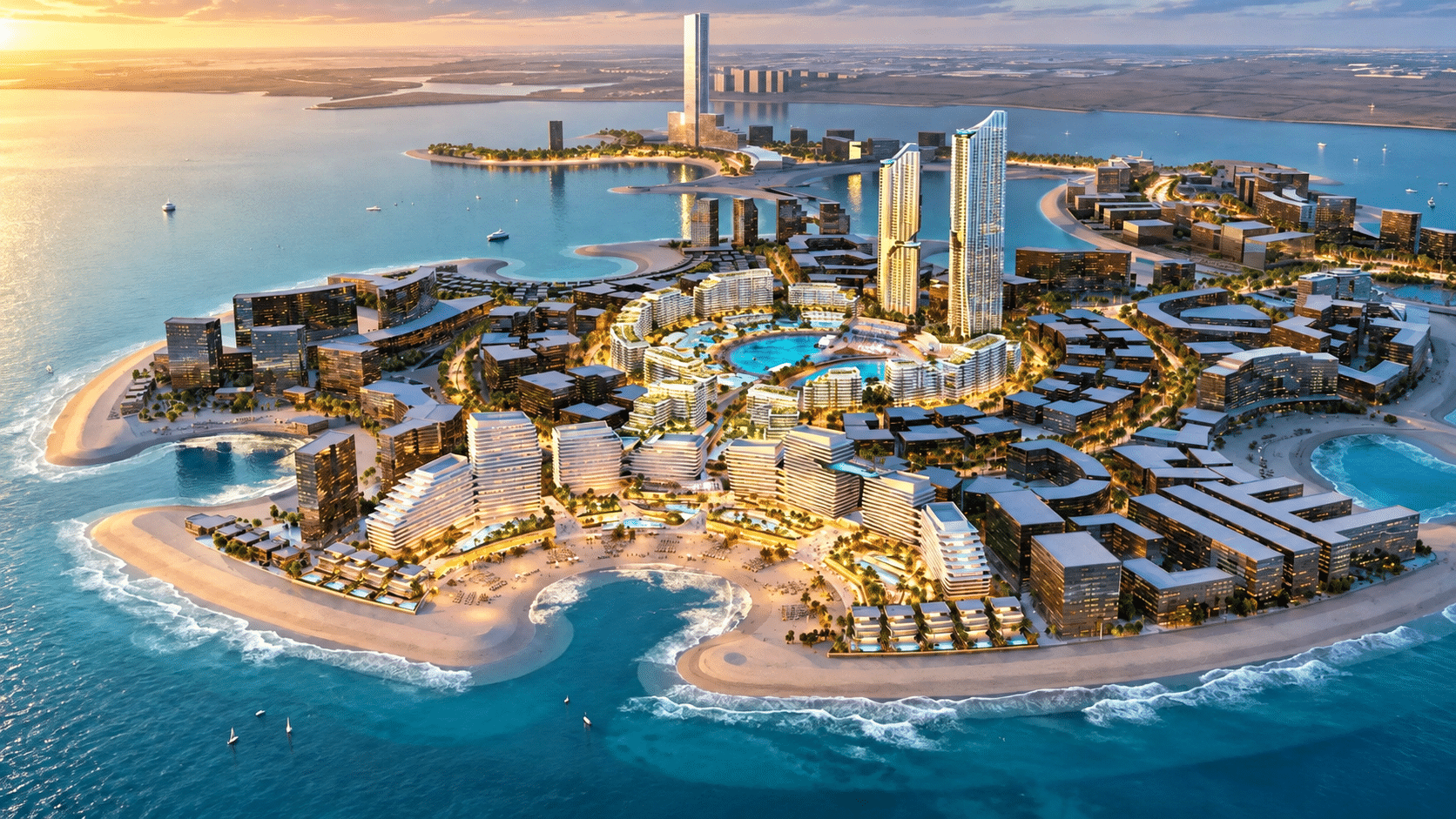
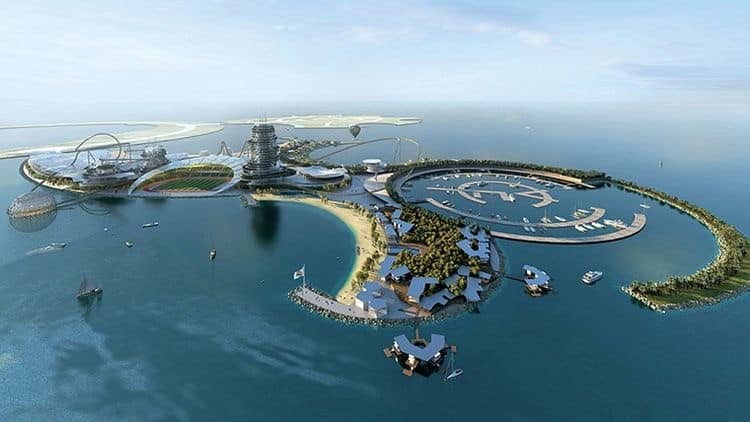
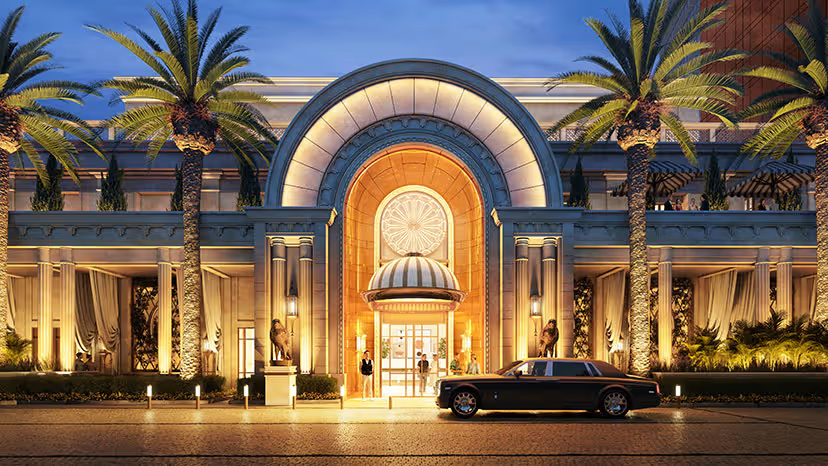 Wynn Al Marjan Island is, structurally, most of the way there. By early 2026 the resort was described as structurally complete, with its distinctive bridge connection roughly 48% finished, and the whole project on track for a spring 2027 opening. Wynn is now in the recruitment phase that tends to precede an opening rather than the construction phase that precedes doubt: a hiring drive launched in September 2026 for more than 7,500 positions, including professional poker dealers, on top of roughly 2,750 jobs already created in 2026 and a target of over 3,000 staff by year end. Max Tappeiner, the resort’s president, has suggested it could become the world’s fourth-largest casino market by revenue — an aggressive claim, but not obviously an empty one given Ras Al Khaimah’s proximity to wealthy Gulf travellers and Wynn’s own read that the property could outperform its flagship Las Vegas casino. Real estate prices in the Al Marjan Island corridor have already moved up meaningfully in anticipation, which is usually a more honest indicator of market confidence than any executive’s own projection.
The Part That Reveals How Cautious This Really Is
What tells you the most about how carefully the UAE is managing this isn’t Wynn’s progress — it’s who else hasn’t been allowed to follow. The GCGRA’s structure permits each of the UAE’s seven emirates to opt into exactly one land-based casino licence and one online gaming licence, no more. To date, only Ras Al Khaimah has opted in for a physical casino. Dubai, the emirate most people assume would want a casino badly, has not — despite MGM Resorts already building a large non-gaming hotel there and reportedly circling an application in Abu Dhabi instead. That’s a genuinely different posture from how Gulf megaprojects usually get built, where ambition tends to move fast and consolidate power in Dubai and Abu Dhabi first. Saudi Arabia’s own approach to giant, headline-grabbing projects has leaned toward front-loading scale and figuring out the details later; the UAE’s gaming rollout has done close to the opposite, licensing one operator, watching it prove itself, and only then considering whether a second one gets a turn. On the enforcement side, the GCGRA has also been unusually aggressive for a regulator this new, blocking more than 6,500 illegal gambling websites and disrupting an estimated 71% of identified illicit gaming activity targeting the UAE since 2023 — a signal the government wants total control over who operates in this space before it lets the market widen at all.
My Read: The UAE’s gambling experiment is genuinely unusual among Gulf megaprojects for how unglamorous its actual execution has been — no grand unveiling, no rush to put a casino in every emirate, just a single resort moving through a single, tightly sequenced licensing pipeline for three straight years. That restraint is probably the point. A government that spent decades treating gambling as culturally and legally impermissible doesn’t earn the right to run a Singapore-style regulated market by moving fast; it earns it by proving, licence by licence, that it can control the thing it’s building before letting it get bigger. Wynn’s 2027 opening will be the first real test of that theory against an actual gaming floor rather than a construction site. If it goes well, expect Abu Dhabi’s rumoured application to move considerably faster than Ras Al Khaimah’s did. If it doesn’t, the UAE has built itself enough regulatory distance to make sure one casino’s problems stay exactly that — one casino’s problems.