





























BRUSSELS, 24 August 2026 — EBM NEWSDESK ANALYSIS- Nick Staunton
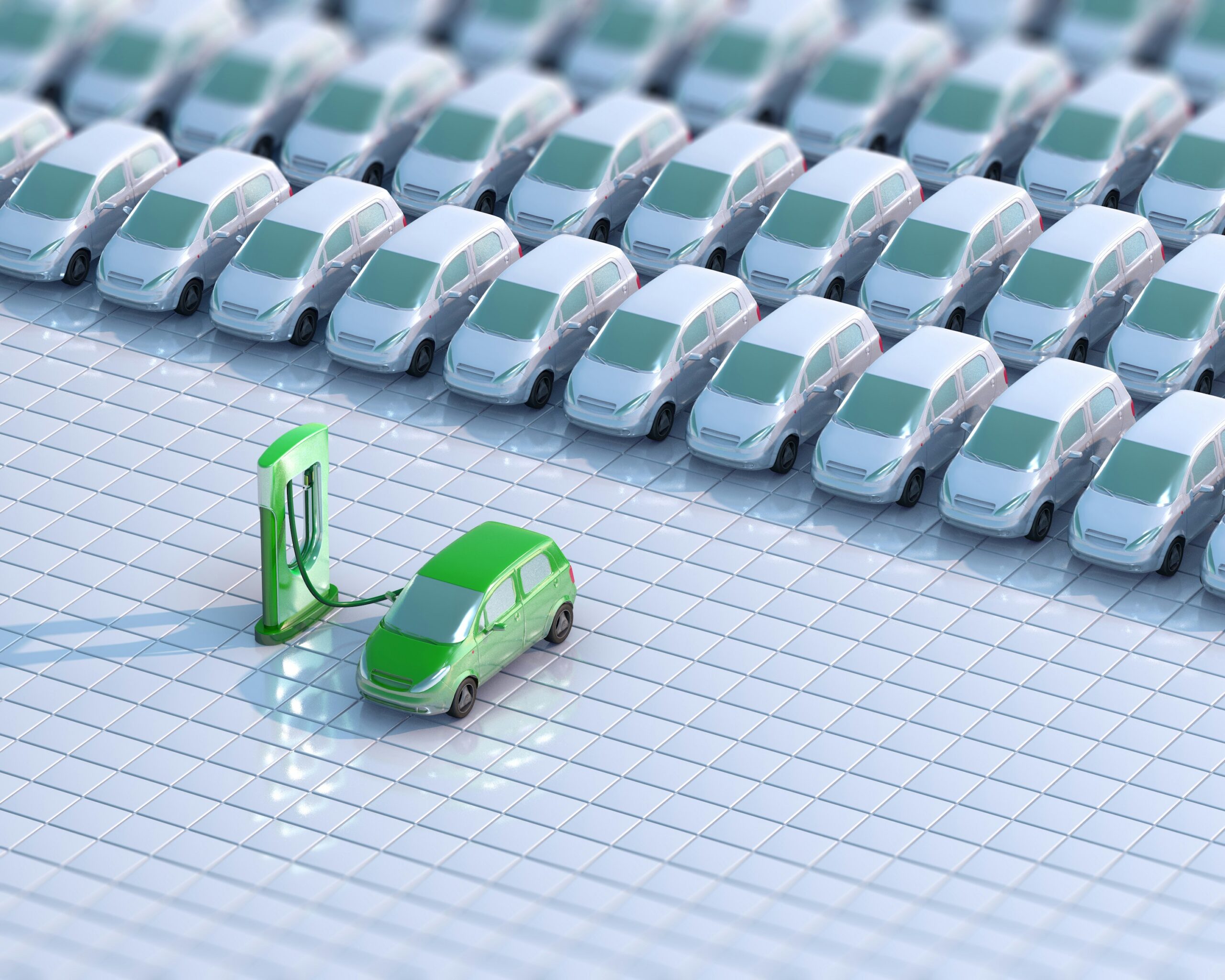
Europe’s electric-car market has crossed another threshold. Battery-electric vehicles accounted for 25.7% of new registrations across 16 major European markets in July, meaning more than one in every four new cars sold was fully electric. Registrations rose 13.6% year-on-year to 224,266 vehicles, while almost 1.5mn battery EVs have now been registered across Europe since the beginning of the year — around 30% more than during the same period in 2025.
The significance is not simply that EV sales are growing. Europe spent several years waiting for mass-market adoption to arrive while manufacturers committed enormous sums to new factories and battery plants. As EBM examined in Europe’s €200bn EV investment push, much of that spending was committed before consumer demand had convincingly caught up. July suggests the gap is finally beginning to close.
Join The European Business Briefing
New subscribers this quarter are entered into a draw to win a Rolex Submariner. Join 40,000+ founders, investors and executives who read EBM every day.
SubscribeFrance and Germany are changing the numbers
Europe’s two most important automotive markets drove much of the increase. Germany registered 78,609 battery-electric cars during July, giving EVs a 29.3% share of new registrations. France reached an even higher 35% share, with 44,378 vehicles registered. Official EU data showed the trend was already visible during the first half: German BEV registrations were up 48% year-on-year and French registrations increased 62.9%.
That matters because Europe’s EV transition could never be driven indefinitely by Norway, Denmark and the Netherlands. Germany and France provide the volume needed to turn electrification from a collection of highly successful national experiments into a genuinely European market. The shift is particularly important for Germany, where the automotive industry is simultaneously cutting tens of thousands of jobs as manufacturers restructure factories built around combustion engines.
Europe is still two different EV markets
The headline figure nevertheless hides an extraordinary divide.
Denmark led Europe in July with battery-electric cars accounting for 80.1% of new registrations. Finland reached 52.6%, the Netherlands 47.3%, Belgium 42.8% and Sweden 42.6%. At the other end of the market, EVs represented just 5.9% of Italian registrations, 7.5% in the Czech Republic and 4% in Poland. Italy’s share had been 10.1% only a month earlier, before previous incentives expired.
The contrast demonstrates something policymakers have repeatedly underestimated: European EV demand remains unusually sensitive to taxation, purchase incentives and company-car rules. Remove support abruptly and registrations can move almost immediately. That creates a difficult backdrop for an industry already facing what EBM described as an existential employment and capacity crisis.
Cheaper cars are starting to arrive
There is another reason adoption is accelerating. The product is getting better — and cheaper.
European manufacturers are finally bringing smaller electric cars into price brackets occupied by mass-market combustion vehicles. Renault’s revived electric 5 has become an important part of that shift, while lower-cost models from Volkswagen, Stellantis and others are moving towards showrooms. Renault said more than half of its UK orders in July were for electric models, compared with around 10% two years earlier.
But European manufacturers are not alone. Chinese companies including BYD, Geely, Chery and Leapmotor are expanding aggressively. Citi estimates Chinese brands could eventually take as much as 30% of Europe’s car market under existing policy — an issue examined in EBM’s recent analysis of China’s potential share of the European car industry.
Price competition will intensify further as Chinese-designed cars increasingly move into European factories. Stellantis-backed Leapmotor, for example, is already assembling vehicles in Europe, part of a wider trend explored in EBM’s analysis of European factories opening their doors to Chinese manufacturers.
The transition is becoming harder to reverse
Europe is still some distance from a completely electric new-car market. Hybrids remain the EU’s most popular powertrain, accounting for 37.3% of registrations during the first half, while battery-electric vehicles held 20.7%. Petrol and diesel combined, however, had fallen to just 29.7%, from 37.8% a year earlier.
That may be the more important number.
For years the European EV debate centred on whether consumers would abandon combustion engines quickly enough to justify the enormous investment manufacturers and governments were making. The question is beginning to change.
If one in four new cars is already fully electric — and petrol and diesel continue losing share — manufacturers now have to decide how quickly they can restructure around that reality without surrendering the fastest-growing part of the market to China.
As Volkswagen’s problems in China have already demonstrated, waiting too long can be considerably more expensive than moving too early.