




























August 31st 2026 — EBM Newsdesk Analysis. Anthony Gill
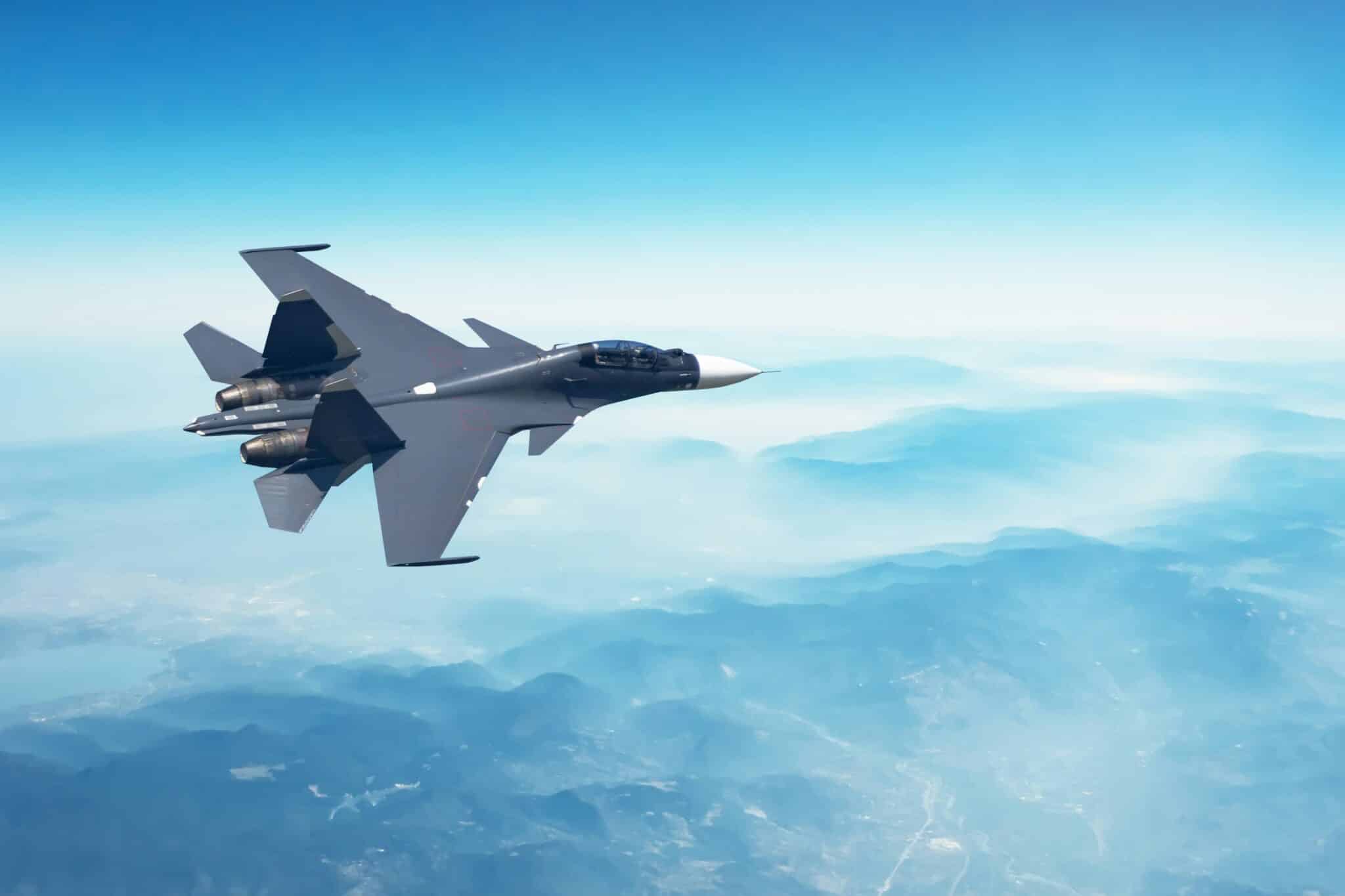
Europe is entering a new era of defence spending. What was once treated across much of the continent as a reluctant cost of maintaining security is increasingly being viewed as a strategic investment in industrial capacity, technology and economic resilience.
The numbers tell the story. Defence spending by the EU’s 27 member states reached €418 billion in 2025, a 20% increase on the previous year, and is expected to rise to €454 billion in 2026. That represents a 75% increase since 2021. Defence investment is also accelerating, with spending on equipment and other investment projected to reach almost €163 billion this year.
Join The European Business Briefing
New subscribers this quarter are entered into a draw to win a Rolex Submariner. Join 40,000+ founders, investors and executives who read EBM every day.
SubscribeThe shift is being driven first and foremost by security. Russia’s war in Ukraine has fundamentally changed the European calculation over military preparedness, while uncertainty surrounding the future of the transatlantic relationship has added another layer of urgency.
But the economic consequences could be just as significant.
For decades, Europe allowed much of its defence industrial base to shrink, consolidate or become dependent on foreign suppliers. The result was a continent with sophisticated military capabilities in certain areas but limited production capacity in others. Ammunition stocks, air defence systems, drones, missiles and other critical equipment have become strategic priorities.
Now governments are spending heavily to rebuild that capacity.
The European Commission’s Readiness 2030 strategy aims to mobilise up to €800 billion in additional defence spending. At its centre is the €150 billion Security Action for Europe, or SAFE, loan programme, designed to help member states finance major defence investments through common procurement. The broader objective is not simply to buy more weapons, but to create a stronger European defence industrial base.
That creates an enormous opportunity for European manufacturers.
Companies involved in missiles, radar, military vehicles, drones, satellites, cybersecurity, electronic warfare and air defence are moving from the margins of industrial policy towards its centre. The boom is also attracting companies from outside Europe. Germany, in particular, is emerging as a major destination for international defence groups as Berlin commits hundreds of billions of euros to rebuilding its military capabilities.
The most interesting part of the story, however, may be the technology.
Modern warfare is increasingly being shaped by artificial intelligence, autonomous systems, satellite communications, cyber capabilities and low-cost drones. The battlefield in Ukraine has demonstrated how rapidly relatively inexpensive technologies can alter military strategy.
That is creating an unusual convergence between defence and Europe’s technology sector.
Start-ups that might previously have struggled to attract traditional defence contracts are now finding governments more willing to experiment. Venture capital and private investment are becoming increasingly important, while the European Commission is explicitly targeting defence-related scale-ups and seeking to expand access to private capital. Its Readiness Roadmap includes plans for an investment fund of up to €1 billion to support defence-related scale-ups and projects.
The industrial implications could extend well beyond the defence sector.
New production facilities require engineers, technicians, software specialists, advanced manufacturers and supply-chain workers. Defence investment can therefore support regional manufacturing clusters and generate demand for technologies that eventually find civilian applications.
Yet there is a major problem: Europe has historically been much better at announcing defence programmes than coordinating them.
The continent has dozens of national procurement systems, different military requirements and competing industrial interests. If every country simply increases spending independently, Europe risks paying more for a fragmented collection of systems that cannot easily operate together.
That is why joint procurement has become a central objective of the EU strategy. The Readiness Roadmap proposes that at least 40% of defence procurement should be organised jointly by the end of 2027, while the EU wants a significantly larger share of defence investment to flow towards European industry.
There is also the question of affordability.
Defence budgets are rising at a time when governments are already dealing with ageing populations, weak productivity, high debt and pressure to maintain spending on healthcare and social protection. The European Commission argues that increased defence spending can stimulate growth and competitiveness, but the fiscal trade-offs will become increasingly difficult for some governments.
That means the defence boom cannot simply be measured in euros spent. The real test will be whether the money creates lasting capability.
Europe needs factories that can produce at scale, supply chains that are resilient, technology companies capable of competing globally and procurement systems that can move faster than they have historically done. The EU has already begun simplifying defence procurement and permitting rules in an attempt to remove some of the bureaucratic barriers holding back industrial expansion.
The bigger picture is that Europe’s defence renaissance is becoming an industrial strategy as much as a military one.
If governments spend wisely, the continent could emerge with a stronger manufacturing base, a more competitive technology sector and a defence industry capable of competing internationally. If spending remains fragmented and procurement continues to move slowly, much of the opportunity could be lost.
For investors and businesses, however, one conclusion is already becoming difficult to ignore: Europe’s defence boom is not a temporary reaction to a geopolitical crisis. Governments are building a long-term spending cycle around security, technology and strategic independence.
The question now is not whether Europe will spend more on defence. It is whether Europe can turn that spending into the next great industrial growth story.