































Frankfurt, 11 August 2026 — EBM Newsdesk Analysis — By Katie Winearls
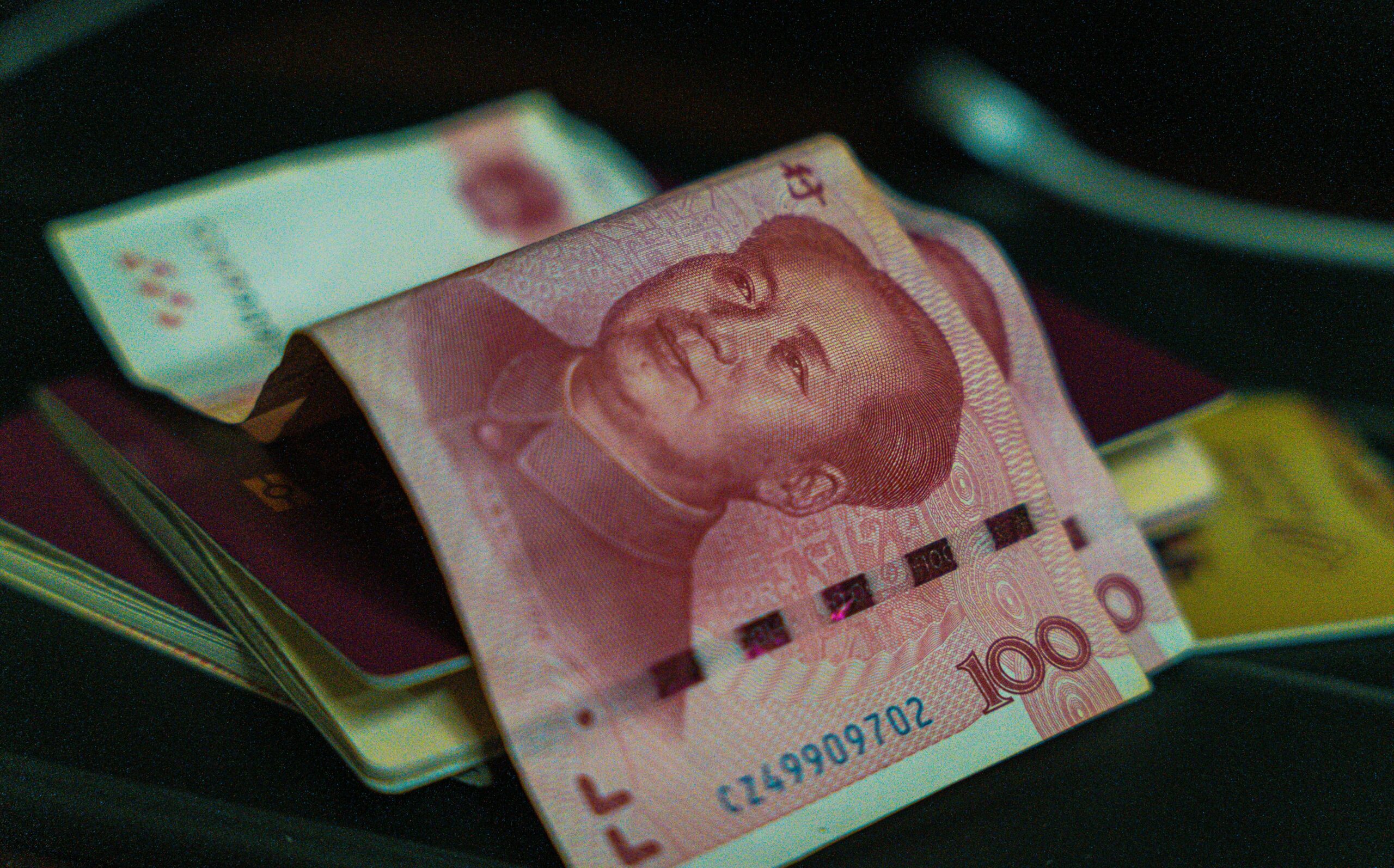
The People’s Bank of China designated Deutsche Bank a renminbi clearing bank on 10 August, the first time a European lender has held the role. It will provide direct end-to-end processing, clearing and settlement for cross-border renminbi transactions, giving European institutions a route into China’s onshore payment systems, capital markets and liquidity infrastructure. Alexander von zur Muehlen, a Deutsche board member, described it as strengthening China-Europe financial connectivity.
One point most coverage has blurred. Frankfurt has been an official renminbi clearing centre since 2014, with Bank of China holding the mandate. The change is not that Europe can now clear renminbi. It is that a European bank does it, rather than a Chinese one operating on European soil.
Join The European Business Briefing
New subscribers this quarter are entered into a draw to win a Rolex Submariner. Join 40,000+ founders, investors and executives who read EBM every day.
SubscribeWhat Actually Changes
Until now, a European company settling in renminbi typically went through correspondent banking — a chain of intermediaries, each adding a day and a fee. Direct clearing removes the chain.
For a Mittelstand manufacturer invoicing a Chinese customer, that means faster settlement, lower cost, reduced counterparty risk and, importantly, a relationship managed in its own time zone and language. That last part sounds trivial and is not. The main obstacle to renminbi settlement among smaller European exporters has never been ideology. It has been that nobody in the finance department knew how to do it.
So this is plumbing rather than politics, which is precisely why it matters. Infrastructure decisions are made once and then quietly determine behaviour for a decade.
The Second Announcement This Week
Read it alongside the other piece of China-Europe infrastructure announced in the same seven days.
On Wednesday a Chinese operator began the first scheduled container service to Europe through the Arctic, cutting Ningbo to Felixstowe to roughly twenty days. On Monday, Beijing put the payment rails for European trade into a Frankfurt bank.
Freight and settlement, in one week. Both framed as commercial efficiency, and both are. But together they describe something more deliberate: China building the physical and financial infrastructure of its trade with Europe, on terms it sets, while Brussels debates tariffs and factory access.
The wider programme is visible enough. In June, China introduced measures to encourage global yuan use, then named Standard Bank and ICBC as renminbi clearing banks covering nineteen African countries. Europe is one node in a network being assembled market by market.
What It Does Not Change
The limits deserve equal weight, because the de-dollarisation framing is overdone.
The renminbi remains a small share of global payments, well behind the dollar and the euro. China maintains capital controls. Full convertibility does not exist. A clearing bank designation improves the mechanics of using the currency; it does nothing about the reasons institutions hold dollars — depth, liquidity, and the ability to get money out.
Deutsche also inherits a compliance question. Operating as a bridge into China’s onshore system means handling flows that European and American regulators watch closely, at a moment when sanctions enforcement is expanding rather than relaxing.
The Verdict
My view is that this is a genuine shift in European financial infrastructure and a marginal one in currency politics, and the two are being conflated.
Nobody is abandoning the dollar because Frankfurt got a better clearing arrangement. What has happened is that renminbi settlement became meaningfully easier for a category of European business — mid-sized exporters — that previously found it too complicated to bother with. Those firms will now try it, and some will keep doing it. That is how currency use actually spreads: not through summit declarations but through a finance director discovering the paperwork is manageable.
The strategic point is about who builds the pipes. Europe spent this week receiving two pieces of infrastructure designed elsewhere — one for its cargo, one for its payments. Both are commercially attractive. Neither was Europe’s idea.
Related Analysis






