































EBM NEWSDESK ANALYSIS-Nick Staunton
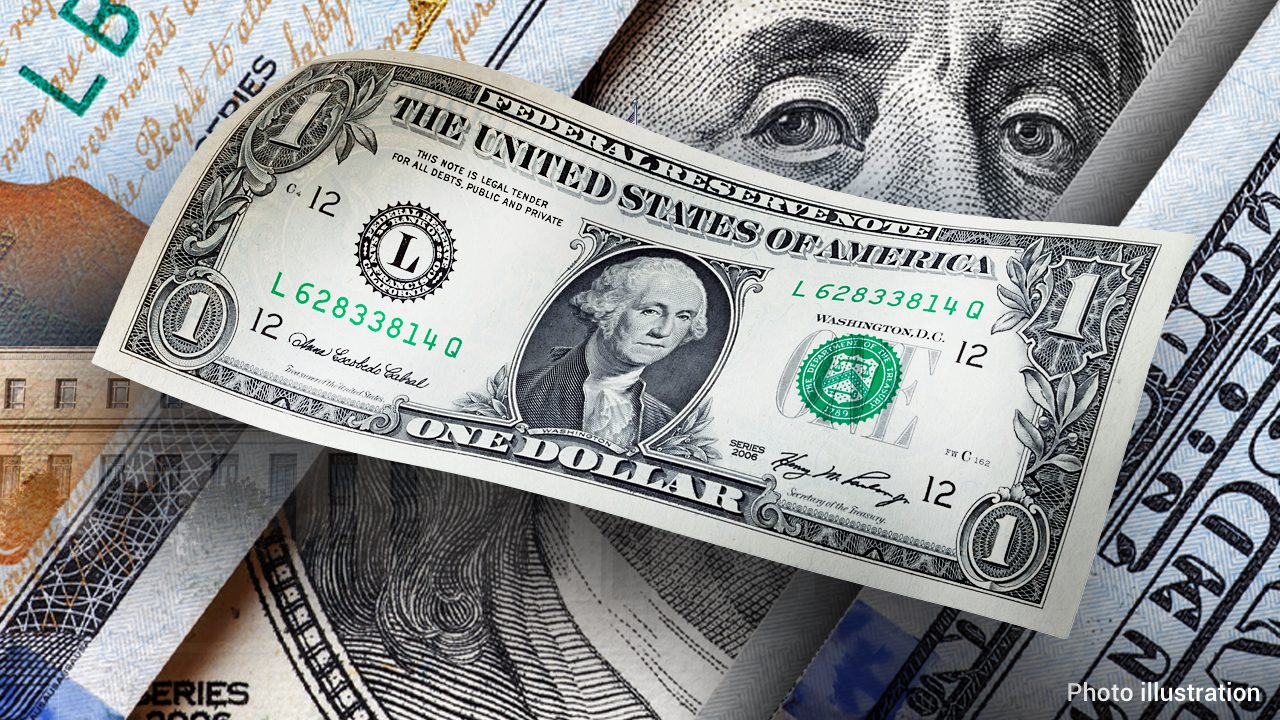
Global capital is flowing back to the US dollar at the fastest pace since 2018, betting that AI-driven growth will keep the world’s biggest economy ahead of its peers — and the Federal Reserve on hold for longer than markets once expected.
The Trade Everyone Abandoned Is Back
Investors around the world are flocking back into the US dollar, betting that the AI investment boom will allow the American economy to outperform its global peers through the remainder of the year — and force the Federal Reserve to keep interest rates higher for longer than previously assumed. Bullish dollar positioning has reached its highest level since 2018, marking a sharp reversal from sentiment earlier in the cycle.
Join The European Business Briefing
New subscribers this quarter are entered into a draw to win a Rolex Submariner. Join 40,000+ founders, investors and executives who read EBM every day.
SubscribeThe shift is notable given how recently the consensus ran in the opposite direction. As recently as June, global fund managers surveyed by Bank of America held their most negative positioning on US stocks and the dollar across all major asset classes. By the following quarter, the same investors had reversed course entirely — buying back into US equities and the dollar while reducing exposure to eurozone, emerging market and UK assets.
The AI Capital Expenditure Story
The mechanism driving the renewed dollar strength is the scale of American AI infrastructure spending. Estimates put total projected investment in data centres and technology infrastructure as high as $3 trillion. That spending is concentrated overwhelmingly in American companies — Microsoft, Google, and a small number of dominant technology firms — which means global capital flows chasing AI exposure are, almost by construction, flows into US assets and the dollar.
Analysts at JPMorgan have attributed the renewed conviction to a narrative of American exceptionalism, reinforced by geopolitical tensions including the conflict in Iran that has dominated headlines through the first half of 2026. The combination of AI-driven growth expectations and energy independence has created what one analysis described as a “floor” under the dollar — a base level of capital inflow that persists regardless of short-term volatility elsewhere in markets.
What This Means for the Fed
The renewed dollar strength complicates the Federal Reserve’s policy position considerably. New Fed Chair Kevin Warsh held rates steady in the 3.50%–3.75% range at his first meeting, a decision markets had broadly expected. But the accompanying Summary of Economic Projections showed median expectations shifting toward one to two rate hikes this year — a meaningful change from projections in March, which had pointed toward cuts.
Inflation expectations for 2026 and 2027 have risen alongside that shift, driven substantially by energy prices and supply uncertainty stemming from the Middle East conflict. Core PCE inflation rose from 3.0% in December 2025 to 3.3% in April 2026, with West Texas Intermediate crude prices having spiked as high as $113 per barrel in April before retreating to current levels near $76.
The result is a meaningful divergence between what markets had priced earlier in the year and what is now considered likely. Investors who had positioned for rate cuts into 2026 are now confronting a Fed that may need to hold rates higher, or even raise them, to manage inflation pressures that AI-driven spending and energy volatility have both contributed to.
The Bubble Question
Not every analyst views the current dynamic as straightforwardly positive. BCA Research has warned that Federal Reserve policy risks fuelling an AI-driven asset bubble, arguing that today’s AI enthusiasm resembles an “earnings bubble” more than a pure valuation bubble — investors assuming current profit growth rates from AI-related capital expenditure can continue indefinitely, a pattern that history suggests rarely holds.
The scale of corporate AI spending makes this a non-trivial risk. Projected capital expenditure by major technology companies has climbed into the trillions of dollars, raising legitimate questions about whether future demand will ultimately justify the investment at the pace it is currently being deployed. If the Fed underestimates the inflationary pressure building from this spending cycle, the current dollar rally and equity market strength could prove considerably less durable than current positioning implies.
The European Cost
For European policymakers and investors, the renewed dollar strength carries a specific and uncomfortable cost. Capital that might otherwise flow into European assets is instead being drawn toward American AI infrastructure and the dollar, reinforcing a structural gap that has been widening for some time. European industry faces a genuine competitive disadvantage in AI infrastructure economics — the electricity required for AI computing in Europe costs roughly twice what it costs in the United States, a gap that significantly affects the relative attractiveness of building AI infrastructure on each side of the Atlantic.
Closing that gap would require a substantial and coordinated European response on energy costs specifically — not simply matching American capital expenditure levels, but addressing the underlying input cost disadvantage that makes European AI infrastructure structurally more expensive to build and operate.
What Investors Are Watching Next
The durability of the current dollar rally depends on two things holding simultaneously: continued confidence that American AI spending will translate into genuine productivity and earnings growth, and a Federal Reserve that proves willing to keep rates elevated even as global growth elsewhere slows. Should either assumption break — a disappointing earnings season from major AI infrastructure spenders, or a Fed that pivots back toward cuts faster than currently signalled — the exceptionalism trade could reverse as abruptly as it returned.
For now, the weight of capital flows suggests investors are betting on continuity rather than disruption. Whether that confidence is rewarded will become considerably clearer by the time the AI infrastructure spending cycle reaches the earnings results investors are currently pricing in.
Related reads:
- All Eyes on Warsh: Fed’s First Meeting Under New Chair
- SpaceX Plots $20bn Bond Deal After Record IPO
- Oil Selloff Deepens as US-Iran Peace Deal Moves Closer to Signing






