































London, 10 August 2026 — EBM Newsdesk Analysis — By Anthony Gill
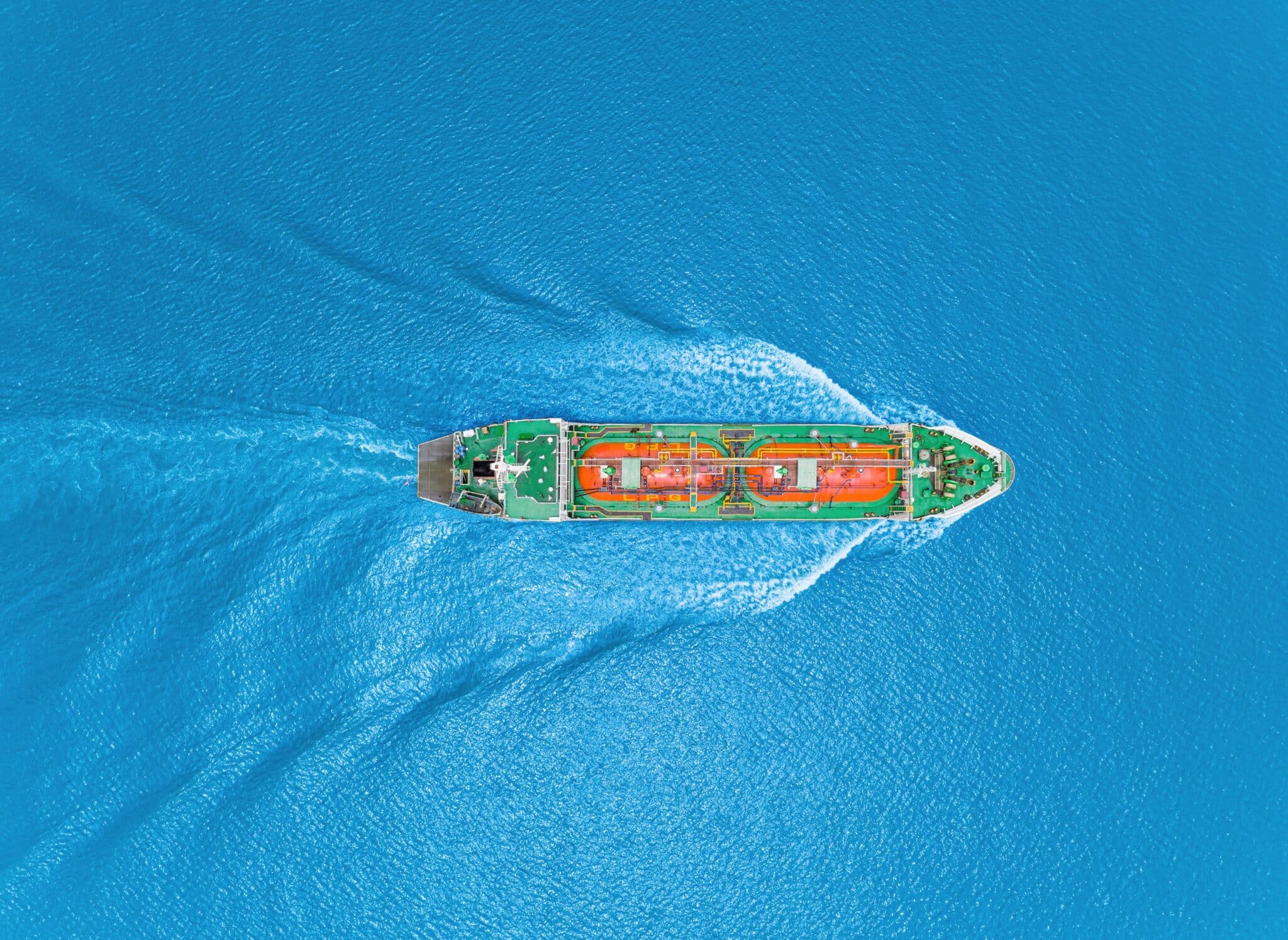
The Chinese operator Sea Legend begins the first scheduled weekly container service between Asia and Europe through the Arctic this week, sailing from Ningbo to Felixstowe along Russia’s northern coastline. It has branded the route the Ice Silk Road. Eight sailings are planned between 12 August and 27 October using seven small and medium container ships.
The time saving is the sales pitch and it is substantial. Last year’s proving voyage by the Istanbul Bridge reached Felixstowe in about 20 days, against roughly 40 via Suez and 50 around the Cape of Good Hope. That is faster than the China-Europe rail corridor, which runs to about 25 days, and it carries far more per departure. The company also claims materially lower emissions and says faster transits could cut customers’ inventory holdings by around 40%.
Join The European Business Briefing
New subscribers this quarter are entered into a draw to win a Rolex Submariner. Join 40,000+ founders, investors and executives who read EBM every day.
SubscribeThe Part That Isn’t in the Brochure
The Northern Sea Route is not international water in any practical sense. It runs along Russia’s Arctic coast, it is administered by Russia, and transiting it requires Russian permits, Russian icebreaker support and Russian search and rescue.
So a European importer choosing this route is routing cargo through Russian jurisdiction and paying, directly or indirectly, for Russian infrastructure — at a moment when the EU is targeting firms with Russian ties and expanding measures against the shadow fleet. Nothing about using the route is currently unlawful. But the compliance conversation it will generate in European boardrooms this autumn is not a small one, and anyone signing a booking should assume it gets asked.
The second limitation is seasonality. The 2026 navigation window runs from late July to late September. This is not a replacement for Suez; it is a summer express service that vanishes for three quarters of the year. Sea Legend’s own plan for winter is Suez plus rail.
Why It Is Happening Now
Because the alternatives have become unreliable.
Houthi attacks pushed traffic away from the Red Sea and around the Cape, adding weeks and cost. The Panama Canal has rationed transits through drought. Escalation around Hormuz has demonstrated how quickly a chokepoint can reprice global freight. Against that, a route with no canal, no toll authority and no militia starts to look attractive even with ice.
Xi Jinping proposed the Ice Silk Road in 2017. It took nine years and a series of unrelated crises to make the economics work.
The Verdict
My view is that the commercial case is real and modest, and the strategic case is larger than the cargo volumes suggest.
Seven mid-sized ships over ten weeks is not a threat to Maersk or MSC. What it establishes is precedent: a functioning, scheduled, insurable Arctic liner service with European ports at the far end. Felixstowe and Gdansk are now termini on a Chinese-operated corridor running through Russian waters, and South Korea is preparing its own vessels for the same route.
Europe has spent three years reducing its dependence on Russian energy. It is now being offered a faster supply chain that depends on Russian permission instead — and the offer is commercially attractive enough that plenty of importers will take it without thinking too hard about the second part. That is a policy question, and nobody in Brussels has answered it yet.
Related Analysis