































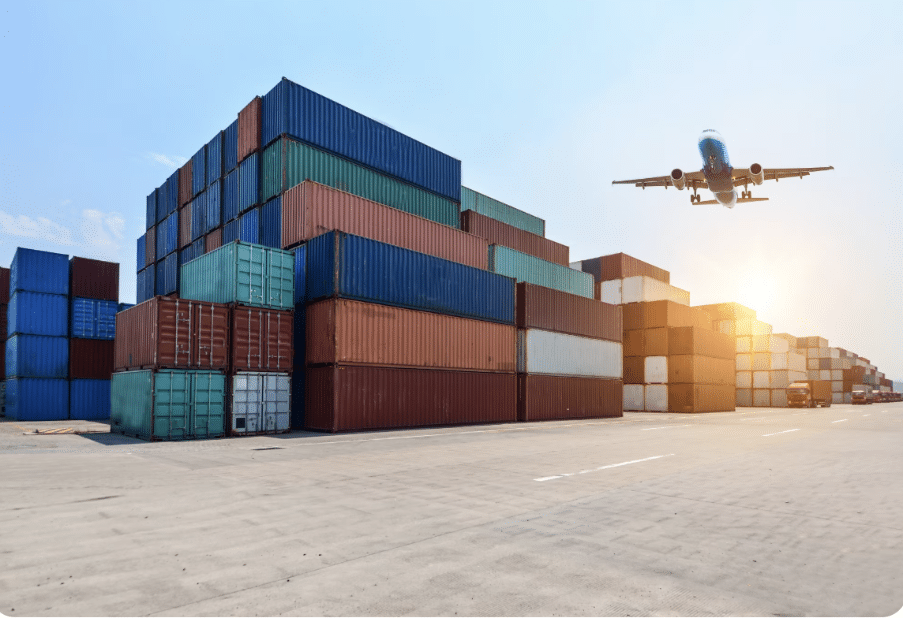
In global trade, time carries weight. A shipment that arrives late can interrupt production. It will also affect invoicing. Consequently, the company is at risk of losing its hard-earned trust.
For companies operating through the UAE’s major trade gateways, delivery precision is often tied directly to performance and reputation.
When timelines tighten, air freight becomes a deliberate business decision rather than a last-minute reaction.
Join The European Business Briefing
New subscribers this quarter are entered into a draw to win a Rolex Submariner. Join 40,000+ founders, investors and executives who read EBM every day.
SubscribeWhen Delivery Dates Are Firm
Urgent cargo is often routine business with fixed timelines. Contracts, production targets, and retail calendars leave little room for delay.
One missing component can stop a manufacturing line. A delayed medical device can postpone hospital procedures. Seasonal merchandise that arrives after launch loses immediate value.
In these moments, speed preserves agreements. Air freight reduces global transit to days instead of weeks. This difference can determine whether obligations are fulfilled smoothly.
The True Cost Behind a Delay
Freight comparisons frequently begin with the rate per kilogram. However, focusing only on that number hides broader financial exposure.
Delays can lead to:
- Machinery and labor standing idle
- Financial penalties under supply agreements
- Urgent sourcing at higher prices
- Imbalanced stock levels
- Reduced future orders
When these elements are reviewed together, the higher transport cost of air freight may protect more than it appears.
Sectors Where Timing Is Critical
Some industries consistently depend on faster movement.
Healthcare and pharmaceutical goods require careful handling and limited transit time.
Technology products follow narrow release windows and depreciate quickly.
Automotive and industrial operations rely on synchronized supply flows. Even small disruptions can affect output.
Retail businesses operate around defined selling periods. Inventory arriving late cannot easily be repositioned.
For these sectors, air freight supports stability and revenue continuity.
Reliability Alongside Speed
Speed is important, but consistency matters equally. Aircraft operate on defined schedules with structured departure and arrival times. Compared with sea shipments affected by port congestion or vessel rollover, air cargo often provides greater predictability.
Shorter journeys reduce exposure to moisture, temperature shifts, and excessive handling. Airports maintain controlled facilities and formal security standards. When documentation is prepared correctly, customs procedures can move efficiently.
For exporters serving international buyers, this reliability strengthens planning accuracy.
Influence on Inventory and Cash Flow
Transit time shapes inventory management decisions.
Long ocean voyages require larger safety stock. Warehousing costs rise. Capital remains tied up while goods are in transit.
Air freight compresses that timeline. Faster replenishment enables leaner stock positions and improved cash circulation. Storage expenses may decrease as turnover accelerates.
For businesses managing competitive margins, this operational flexibility supports financial balance.
Choosing Air Freight Carefully
Air freight does not suit every shipment. Bulk goods with flexible delivery windows often move economically by sea.
It becomes appropriate when:
- Cargo value is high relative to its weight
- Delivery commitments are fixed
- Goods are sensitive or perishable
- Production continuity depends on prompt arrival
- Revenue depends on the launch timing
Many supply chains apply a mixed approach. Standard volume moves by ocean. Critical replenishment travels by air. This structure maintains cost discipline while preserving responsiveness.
Planning Remains Essential
Fast transport cannot compensate for incomplete paperwork or overlooked regulatory requirements. Accurate documentation and advanced preparation remain fundamental.
When operational planning aligns with transport choice, air freight performs as intended.
A Practical Safeguard
Air freight is no longer viewed only as an emergency measure. It forms part of modern supply chain design. Companies use it to manage uncertainty, maintain commitments, and reduce operational risk.
In competitive global markets, reliability builds lasting partnerships. Meeting promised delivery dates reinforces credibility.
The decision is rarely about transport cost alone. It concerns protecting revenue, supporting reputation, and sustaining long-term commercial relationships.