































Updated -EBM WEEKEND NEWSDESK ANALYSIS-Nick Staunton- Editor-in-Chief
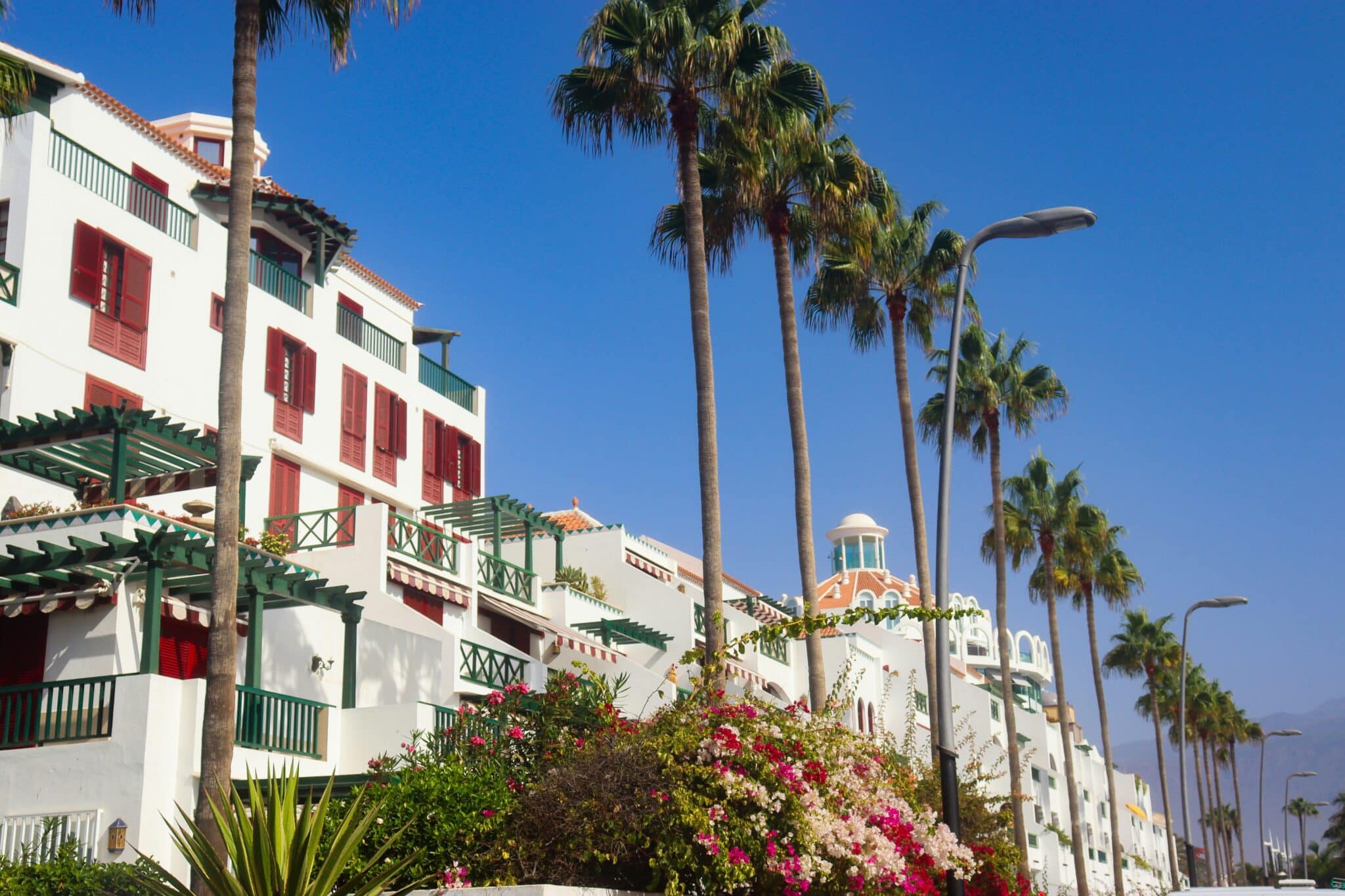
Property prices on the Costa del Sol are rising at nearly double the national rate. British buyers are leading the charge. Spaniards are taking to the streets in response — and the government is running out of room to manage both sides.
A Market on Fire
Spanish property prices rose 14.3% over the past year, according to valuation firm TINSA, with coastal markets significantly outpacing the national average. In Málaga province — the heart of the Costa del Sol — some 2025 datasets show price growth running as high as 19-20% year-on-year. Forecasts for 2026 point to continued increases of 5-9% in the most sought-after locations, with the very best micro-markets pushing 7-9% above the broader national trend.
Join The European Business Briefing
New subscribers this quarter are entered into a draw to win a Rolex Submariner. Join 40,000+ founders, investors and executives who read EBM every day.
SubscribeMarbella, Estepona, Benahavís and Mijas — the so-called Golden Triangle and its surrounding hotspots — have become international hubs almost entirely detached from Spain’s domestic property cycle. In Marbella specifically, international buyers now account for more than 60% of all transactions. The luxury real estate market here has become a genuine pillar of the regional economy, representing a significant proportion of local GDP and employment.
Britain Leads the Charge
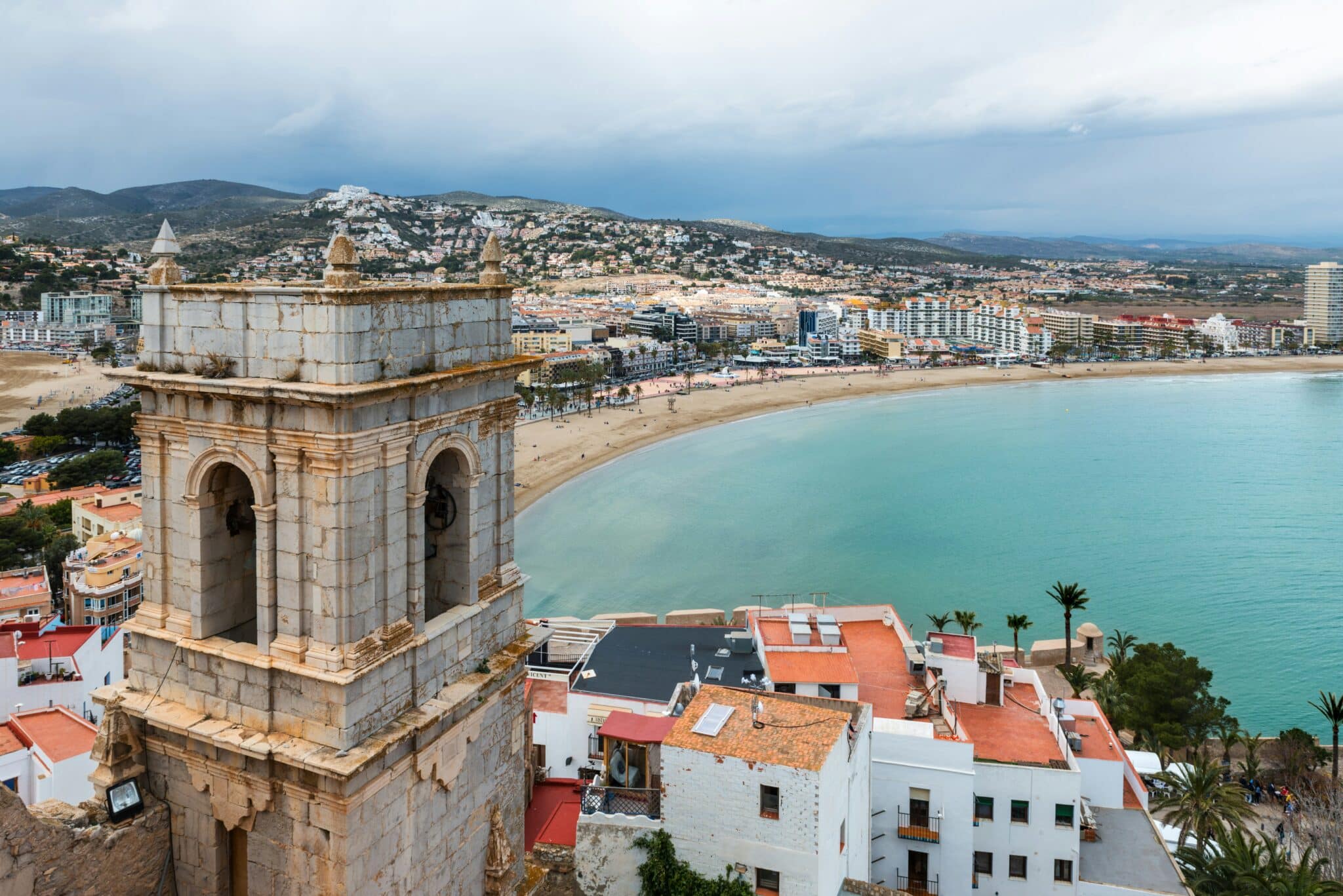
At Almazara Boutique Residences near Istán in Málaga province, British buyers account for the largest single share of international reservations — 15% of all homes reserved, ahead of Spanish buyers themselves. New-build penthouses with sea views start from €580,000 plus VAT, with three-storey townhouses from €620,000 plus VAT. A complimentary furniture bonus of €10,000 per property is now a standard incentive developers use to close British buyers specifically.
This is not an isolated development. Across Andalucía, an analysis of property listings found roughly 28,211 homes specifically marketed toward foreign buyers, with British purchasers the dominant target audience. The Costa del Sol alone accounts for nearly 25,000 such properties, with the Costa Blanca in Alicante adding a further 13,000. The British buyer is not an incidental presence in this market. The market has been substantially built around them.
The bargain-hunting has spread well beyond the traditional luxury enclaves. In Manilva, a coastal town previously known as an affordable alternative to Marbella, average asking prices have climbed to €2,934 per square metre as international buyers — priced out of the more established resorts — push further along the coast in search of value that is rapidly disappearing.
A Story That Predates Brexit by Sixty Years
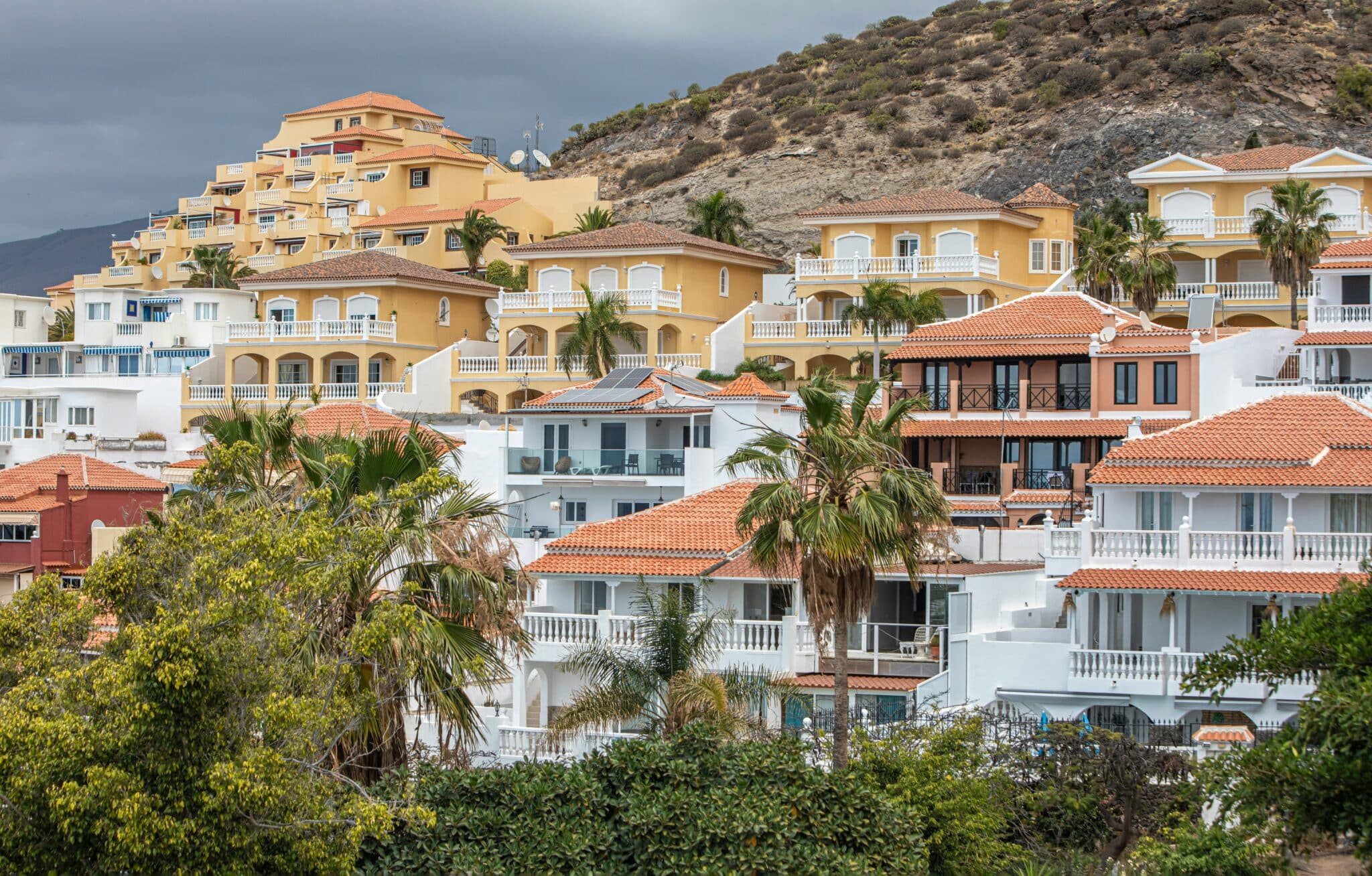
The framing of British buyers as a new disruptive force on the Costa del Sol misses something important: this has, in one form or another, been happening since the 1960s. The Costa del Sol’s transformation from a string of small fishing towns into a premier international destination began with the post-war European tourism boom, as affordable charter flights brought the first waves of British holidaymakers seeking sun, sea and an escape from Britain’s harsh winters and post-war austerity.
By the 1970s, that holiday traffic had evolved into the first significant wave of permanent British retirees and lifestyle migrants, settling primarily across Andalucía and the emerging Costa Blanca. Word of mouth did the rest. Within a generation, British residents had become a defining feature of the region’s demographic and economic landscape rather than a passing phenomenon.
The numbers have stayed remarkably consistent in scale for decades. Spain has long hosted the largest concentration of British nationals living anywhere outside the UK, with population estimates ranging from roughly 300,000 to 700,000 depending on the source and how residency versus seasonal presence is counted. Whatever the precise figure, the pattern is the same one that has held since the 1970s: Britain leads every other nationality in the expat and second-home buyer rankings on Spain’s southern coast, by a clear margin.
So Why Does This Round Feel Different?
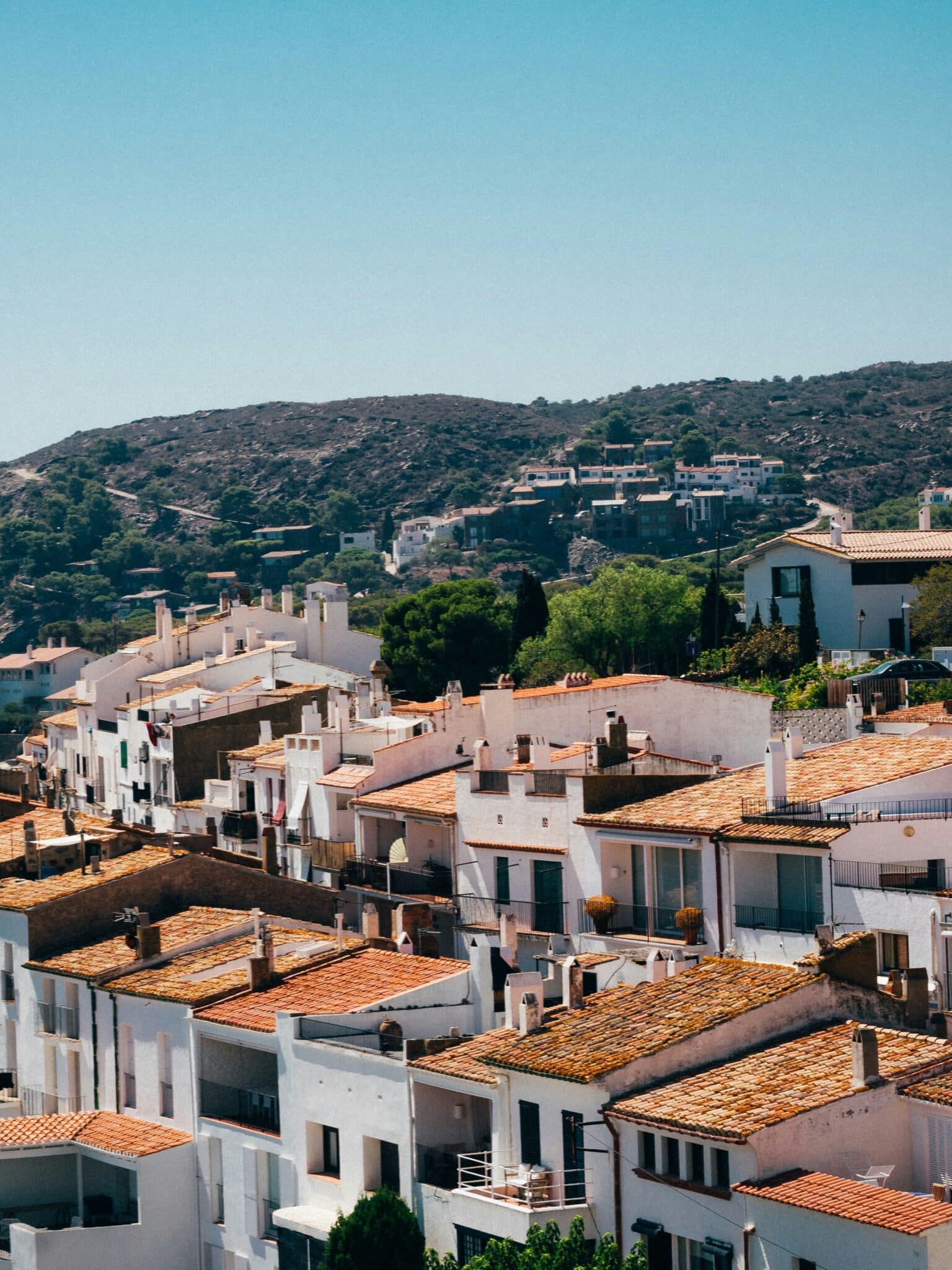
If the British presence on the Costa del Sol is not new, what has actually changed is the legal status of that presence — and this is the point worth being precise about. Before Brexit, British nationals had full EU freedom of movement rights. They could live in Spain indefinitely, work there, access healthcare and social systems on equal terms with Spanish citizens, and move back and forth without restriction.
That changed in 2020. British citizens are now treated as third-country nationals under EU law, subject to the same 90-days-in-any-180-day rule that governs any other non-EU visitor. A British buyer today cannot simply relocate to a Costa del Sol property and live there year-round without securing one of Spain’s residency visas — the non-lucrative visa, the digital nomad visa, or income-based retirement residency. Spain’s property-linked Golden Visa, which had previously offered a more direct route to residency for larger investors, was scrapped entirely in April 2025.
This matters significantly for how the current wave of British buying should actually be understood. The overwhelming majority of the British purchasers driving the current Costa del Sol boom are not relocating full-time. They are buying second homes used within the legal 90-day allowance, properties intended as future retirement homes once formal residency is separately secured, or, increasingly, pure investment purchases let out commercially for the rest of the year — often through precisely the kind of short-term rental platforms that are simultaneously fuelling the housing displacement crisis playing out in Madrid and Barcelona.
That distinction reframes the “driving out locals” argument in an important way. This is substantially less a story of mass British relocation displacing Spanish residents directly, and substantially more a story of British capital — investment purchases and holiday homes — pushing up prices and converting long-term housing stock into seasonal-use or rental-yield assets, with locals priced out of ownership and long-term tenancy as the consequence, even where the British owner themselves is only present a few months of the year.
The roughly 300,000 British nationals who hold long-term residency in Spain today largely did so under transitional arrangements protecting rights they held before Brexit took effect. New British buyers attempting to replicate that lifestyle today face a meaningfully higher bureaucratic and financial bar than the generation of retirees who arrived in the 1970s, 80s and 90s under unrestricted EU free movement. The economics of the British presence on the coast persist. The legal mechanism enabling it has fundamentally changed.
Why Locals Are Furious
The same week property developers were celebrating record British demand on the Costa del Sol, more than 150,000 protesters marched through central Madrid against a housing crisis that has made homeownership and even long-term renting increasingly unattainable for ordinary Spaniards. Average Spanish rents have doubled over the past decade. House prices have surged 44% over the same period — comfortably outpacing wage growth.
The mechanics connecting tourism, foreign buying and the domestic housing crisis are well understood by Spanish housing economists, even if the politics remain contentious. Spain received a record 97 million international visitors last year. The Bank of Spain estimates the country is short by roughly 700,000 homes against underlying demand, with the rental supply having halved since the pandemic as landlords increasingly favour short-term tourist lets over long-term residential tenancies, which generate considerably higher and more flexible returns.
“They’re kicking all of us out to make tourist flats,” one 65-year-old Lavapiés resident told Reuters, describing how nearly 100 families in her building were told their rental contracts would not be renewed. “No matter who governs, we must defend housing rights,” chanted protesters in Madrid, rattling keychains — a now-familiar symbol of Spain’s housing protest movement representing the keys to homes locals can no longer access.
The Government’s Impossible Balancing Act
Spain’s Socialist government under Prime Minister Pedro Sánchez faces a genuinely difficult structural problem heading into elections in 2027. Tourism and foreign property investment are significant contributors to an economy that has, by several measures, outperformed most of the eurozone in recent years. Restricting either too aggressively risks real economic damage in regions where property and tourism form the backbone of local employment.
Sánchez has previously floated a 100% tax surcharge specifically targeting non-EU buyers — a policy explicitly designed to cool foreign demand without alienating the EU buyers, including many Northern Europeans, who form a separate and politically less contentious segment of the market. A separate decree extending temporary rent freezes failed to pass parliament earlier this year, leaving the government exposed to continued housing-related political pressure with fewer policy tools than it had hoped to deploy.
The tension is genuinely structural rather than merely rhetorical. Spain builds only around 120,000 new homes annually — roughly a sixth of pre-2008 construction levels — against a population that continues to grow through both tourism-driven demand and immigration. Even significant increases in building permits, which BBVA forecasts at 16% and 13% growth across 2025 and 2026 respectively, are not expected to meaningfully close the structural supply gap.
The View From the Coast Versus the View From Madrid
It is worth being precise about where the tension actually concentrates geographically. The most visible protest movement — the marches, the keychain rattling, the “no neighbours, just tourists” banners — has been centred on Madrid and Barcelona, where the housing crisis intersects most directly with short-term tourist rentals displacing long-term residents in dense urban neighbourhoods.
The Costa del Sol dynamic is somewhat different in character, though it feeds into the same national narrative. Much of the British buying here is not displacing existing residential tenants in the way Madrid’s tourist-flat conversions are. It is instead driving new-build development and pushing prices upward across an already premium coastal market, with knock-on effects for service-sector workers and younger Spaniards who increasingly cannot afford to live near the coastal towns where the regional economy is concentrated. The frustration is less about eviction and more about structural exclusion from a market that has been substantially internationalised.
What Happens Next
Spanish coastal property remains, by most forecasts, a market that continues to climb through 2026 — analysts point to “affordability fatigue” emerging in the very top tier of Costa del Sol pricing, alongside regulatory uncertainty around short-term rentals as the main brakes on further acceleration, rather than any expectation of an outright correction.
For British buyers, the practical calculus remains favourable for now: euro-denominated assets in a market still substantially cheaper than comparable coastal property in France or Italy, with strong rental yield potential and a well-established expatriate infrastructure built over six decades. For the Spanish government, the calculus is considerably harder — caught between an economy that genuinely benefits from foreign capital and tourism, and a domestic electorate that is increasingly, visibly and organisedly furious about being priced out of their own country.
Whichever way Madrid eventually leans, the Costa del Sol’s gold rush — now in its seventh decade — shows no immediate sign of slowing. The question that remains unresolved is whether Spain’s political system can absorb the social cost of that boom for much longer without more substantial policy intervention than has been deployed so far.
Related reads:
- Saab: How Britain’s Carmaker Became a €27bn Defence Giant
- Germany Backs France on US-Style Tariffs — EU Trade Strategy Shifts
- Dollar Rallies as Investors Bet on AI Boom and Fed Hikes