




























Amsterdam, 17 July 2026 — EBM Newsdesk Analysis — By Nick Staunton
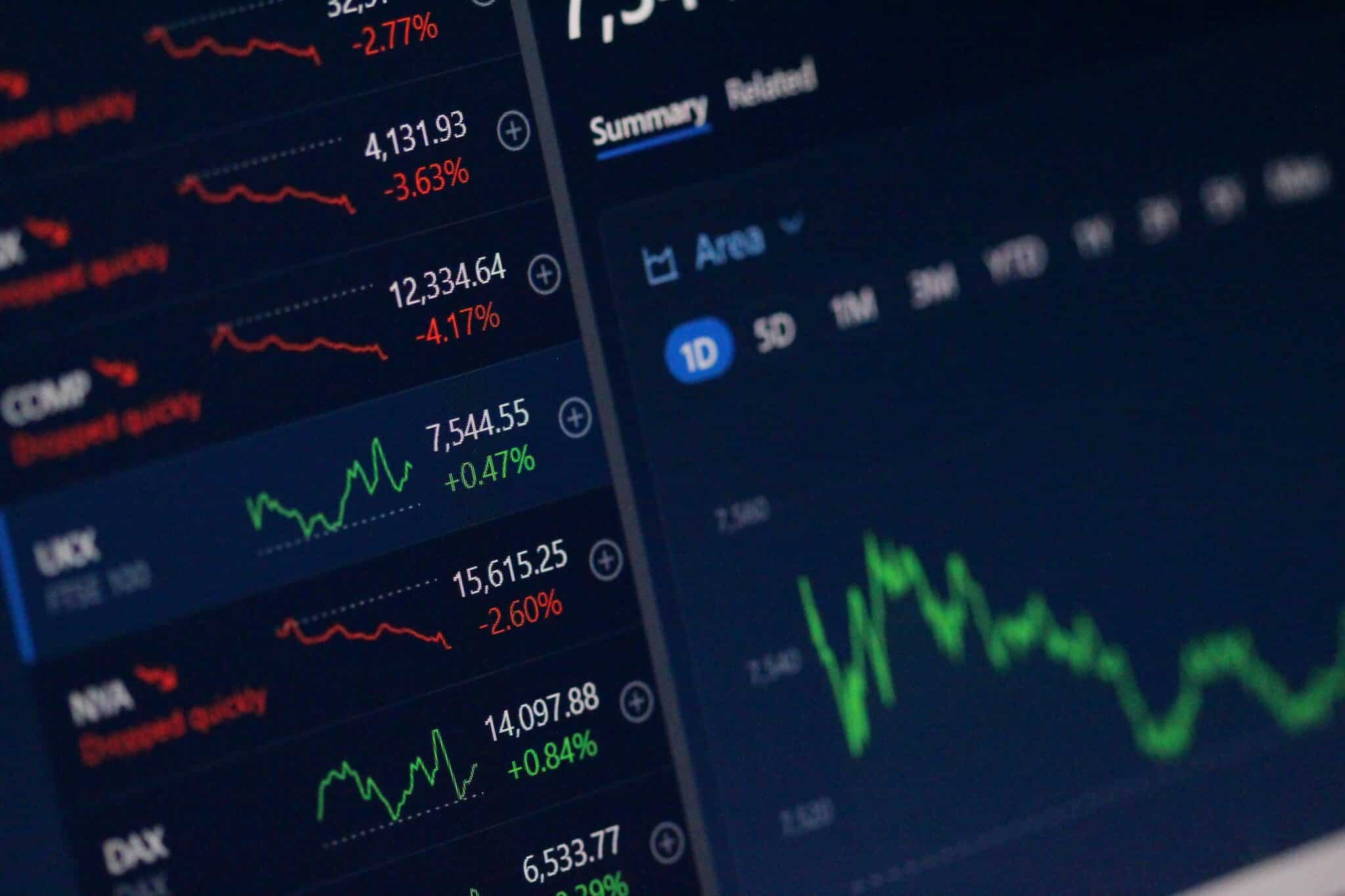
Chip stocks dragged world markets lower again on 16 July, with the Nasdaq Composite down 1.5% even as nearly three in four stocks in the S&P 500 actually rose. SK Hynix fell more than 11% in Seoul, days after its blockbuster New York listing, and Samsung shed another 7%, extending a rout that has travelled from Seoul to Wall Street to Frankfurt in a matter of sessions. The oddity is that the companies at the centre of the selling are reporting record numbers, not weak ones. That gap between what these businesses are earning and what investors will pay for them is the whole story.
For European investors the reflex is to file this as an American problem arriving through the wires. It is not. The single most exposed name in the entire complex is Dutch. ASML, the most strategically irreplaceable company in European technology, raised its 2026 sales forecast for the second time this year on the strength of AI chip demand, and its shares fell anyway. When a market sells the good news from its own bellwether, the reversal is about sentiment, not fundamentals. That is the more dangerous kind of correction.
Join The European Business Briefing
New subscribers this quarter are entered into a draw to win a Rolex Submariner. Join 40,000+ founders, investors and executives who read EBM every day.
SubscribeThe numbers underneath the sell-off are strong
Read the tape and it looks like distress. Read the earnings and it looks like a boom. Samsung reported second-quarter operating profit up more than 1,800% year on year and the stock still dropped. Taiwan Semiconductor beat and raised its outlook, and the sector barely blinked. Micron gave back tens of billions in a single session earlier this month. Intel has surrendered most of a spectacular year. What links them is not a collapse in demand. It is a collapse in the willingness to keep paying ever-higher multiples for that demand.
The trigger is a question investors spent two years declining to ask. Does the hundreds of billions in AI capital spending actually earn a return? The hyperscalers keep committing more, and the scale of the money involved is genuinely hard to contextualise. But committing capital and recovering it are different things, and the market has quietly stopped assuming the second follows the first. Add a hawkish Federal Reserve under Kevin Warsh and Brent crude back above $84 on Middle East tension, and the appetite for paying up for growth thins fast.
Why ASML is the European tell
ASML is the cleanest read on all of this because it sits at the chokepoint. Nothing advanced gets made without its lithography machines. So when its order book swells and its stock still slides, you are watching investors mark down the future value of AI infrastructure even while the present value keeps beating expectations. This is the same dynamic that took a tenth off the KOSPI in a single session last month: good news arriving into a market that had already priced perfection.
Europe should notice how little of the upside it owns and how much of the downside it imports. The continent has one irreplaceable asset in this supply chain and a long list of customers. When the AI trade was rising, that asymmetry was easy to ignore. In reverse, it means European indices catch the falling knife without ever having held the winning hand. ASML aside, the structural dependence on American silicon does not soften on the way down.
The verdict
This is a valuation correction, not a demand collapse, and the two should not be confused. The businesses are fine. The prices got ahead of them. For anyone running a technology-heavy book, the useful lesson is the one Seoul delivered first: concentrated bets on a single theme unwind faster than they build, and positive news is no defence once positioning is stretched.
For European investors the read is sharper still. The wealth this cycle created was overwhelmingly American, and the volatility it now produces is thoroughly shared. Owning the exposure without owning the platforms is the worst of both worlds. The correction itself is healthy. The dependency it exposes is not.