






























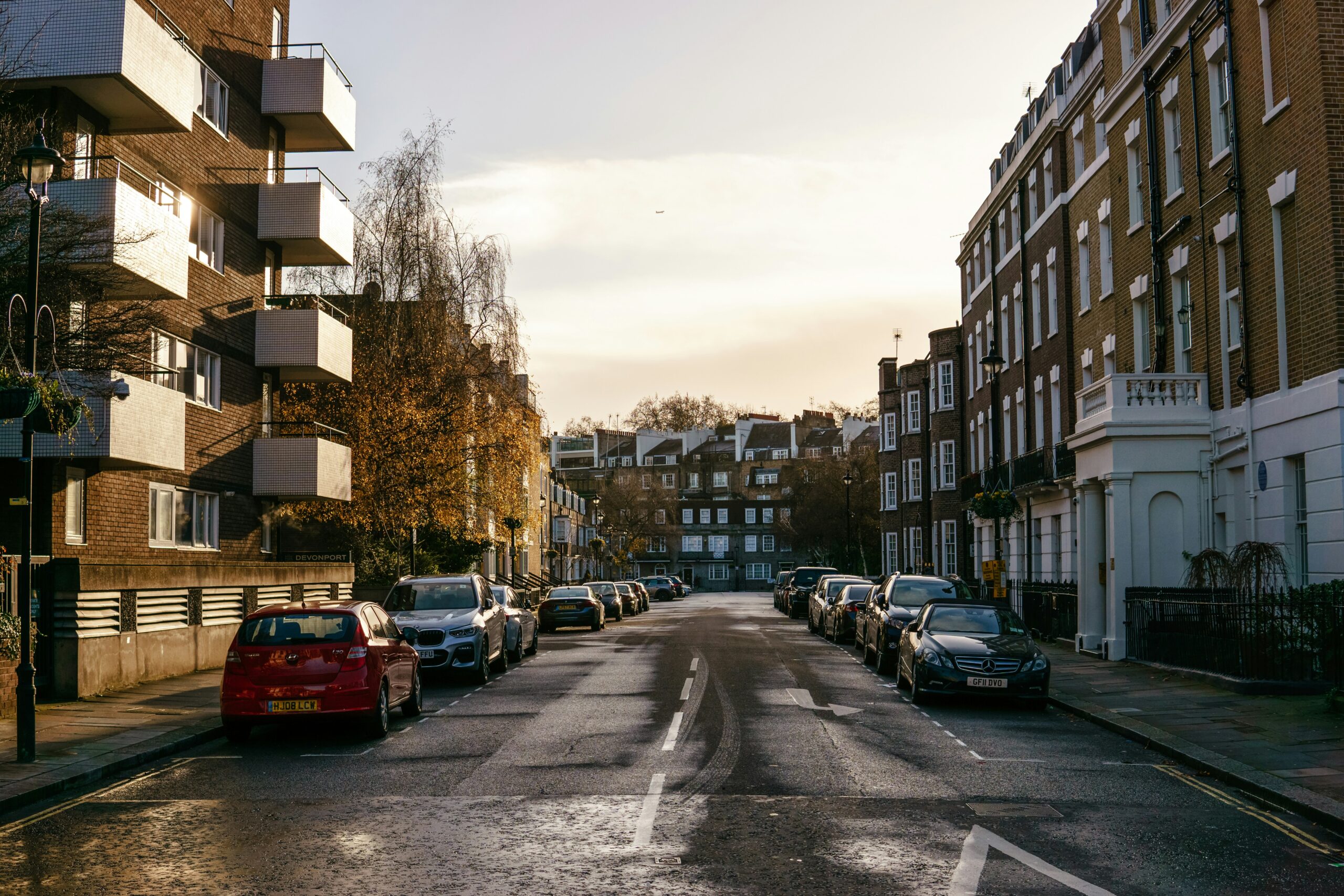
When your home sits empty, it becomes more exposed to risks like theft, vandalism, and water damage. Because of this, insurers often treat unoccupied properties as higher risk and adjust premiums accordingly. Understanding how these risks are measured helps you plan ahead and avoid unexpected costs when arranging cover.
Knowing what affects the cost helps you make informed decisions and keep your policy fair. Stay with our useful guide until the end to understand the key factors that shape empty home insurance premiums in the UK.
Location and Local Risk Factors
Your property’s location plays a major role in determining your insurance costs. Areas with higher crime rates or frequent flooding tend to attract higher premiums. Insurers assess each postcode based on claims data and environmental risks, which means even homes in the same area can face different prices depending on their exposure.
Join The European Business Briefing
New subscribers this quarter are entered into a draw to win a Rolex Submariner. Join 40,000+ founders, investors and executives who read EBM every day.
SubscribeIf your property is in a rural location, the distance from emergency services may also influence your rate. Longer response times for fires or break-ins increase potential loss. Insurers calculate these risks carefully to set a fair price. Being aware of local factors helps you understand why your premium might differ from others nearby.
Duration of Vacancy and Property Checks
The length of time your home is left unoccupied can directly affect your premium. The longer a property sits empty, the greater the chance of unnoticed damage, such as a leaking pipe or electrical fault. Insurers may reduce cover levels or increase premiums for extended vacancies.
Most insurers ask that the property be inspected regularly, to ensure it remains secure and in good condition. Regular visits show that you’re managing the property responsibly, which can help keep costs under control. For flexible and reliable cover for empty homes in the UK, it’s important to meet these inspection requirements and keep records of each visit.
Property Security Measures
How well your property is secured has a clear impact on your premium. Homes fitted with alarms, quality locks, and security lighting present less risk to insurers. These measures reduce the likelihood of break-ins or vandalism, giving insurers confidence that your property is protected.
Installing CCTV systems or joining a neighbourhood watch scheme can also help. Insurers often reward proactive security improvements with lower premiums. In short, a well-secured home shows you take safety seriously, which benefits both you and your insurer.
Property Condition and Ongoing Maintenance
The general state of your property also matters. A well-maintained home is less likely to suffer damage from leaks or structural issues. Insurers often look for signs of proper upkeep before agreeing to cover. Ignoring minor repairs, like a cracked roof tile or faulty gutter, could raise your premium because it signals potential risk.
Seasonal maintenance is equally important. Keeping the heating on low during winter or draining water systems helps prevent frozen pipes. These small actions demonstrate responsibility and reassure insurers that your property is cared for even when empty.
Type of Policy and Level of Cover
Insurance for unoccupied properties varies depending on how long the home will remain empty. Some policies provide short-term protection for a few weeks, while others are designed for longer periods. The more comprehensive the cover, the higher the premium tends to be, though it may save you significant expense if something goes wrong.
You can usually choose between buildings-only or combined buildings and contents cover. If you’ve removed valuables from the property, selecting a buildings-only option might reduce costs. Tailoring your policy to your exact circumstances ensures you’re not paying for unnecessary extras while still protecting what matters.
Keeping Premiums Sensible and Fair
While some factors like postcode or property type are beyond your control, you can still take meaningful steps to manage costs. Regular inspections, strong security, and consistent maintenance all show insurers that you’re a careful property owner. These habits help reduce perceived risk and may lead to better pricing.
Now that you understand what influences your premium, you can take practical steps to protect your property and ensure you’re getting fair, comprehensive cover that brings lasting peace of mind.