






























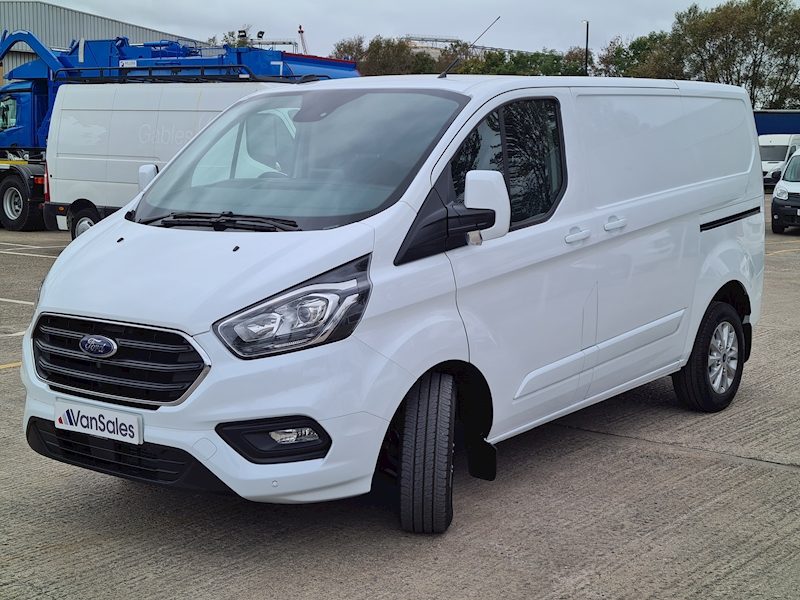
You’re in the market for a new van but don’t know where to start. With so many types of vans available, from the kind you can convert into a DIY camper to a small gardening business vehicle, choosing a van can be overwhelming.
There are several factors to consider, like van type, the weight it can carry and what to look out for when you inspect at a van for the first time.
But by asking yourself and sellers a few questions, the process becomes much more straightforward. This will helps you decide whether you need a heavy-duty workhorse or a DIY camper conversion vehicle. Let’s begin with the van type to help you make the right decision.
Join The European Business Briefing
New subscribers this quarter are entered into a draw to win a Rolex Submariner. Join 40,000+ founders, investors and executives who read EBM every day.
SubscribeWhat type of van do I need?
The type of van you need depends on how you plan to use it.
Do you own a medium or large business in the building trade, where you need to cart around large amounts of equipment and multiple staff? Are you a one-person gardening whizz who needs to transport a few gardening forks, trowels and a strimmer? Or are you looking to convert a large van into your new mobile holiday home?
Before making a decision, it’s often useful to explore the options available on the market. Browsing vans for sale can give you an idea of the sizes, models, and features available, helping you match the right vehicle to your specific needs.
Whatever purpose your new van will take on, you need to be clear about why you need it. To do this, you can break it down into van body types. You will need a refrigerated van if you are a fish or frozen produce merchant. A minibus or a Multi-Purpose Vehicle (MPV) can be ideal for taxi drivers or anyone with a large family.
What size loads does the van need to hold?
Going into more detail about the type of van you need involves what type and weight of loads you plan to carry. A people carrier or MPV can take very different weight loads than a panel van which can carry 1.5 tons or more.
When looking for your new van, always ask about the Gross Vehicle Weight (GVW), as this tells you how heavy the vehicle is when it is empty. You can then use this measurement to determine how much weight you can legally carry
What is the history of the van?
Suppose you want your new vehicle to be an investment far into the future. In that case, it’s essential to know how the previous owners used it. And what the van’s history can tell you about its health can be surprising when you scratch beneath the surface.
A van with high mileage that the previous owners serviced regularly will be in better health than a low-mileage van used to carry large payloads.
You need to request three documents for any potential new van: the VC5, the most recent MOT and the service history. Remember to ask to see all of these documents to ensure you know everything about your potential new purchase.
Suppose you have a reasonable concern about a vehicle. In that case, you can apply to receive a V888 from the government for the DVLA history.
What should I look for when inspecting a new van?
You can split the areas to look out for into five categories when inspecting a new van:
- Cabin
- Suspension
- Repairs/ Accidental damage
- Tyres
- Rust
You can tell a lot about a van from the cabin. Carefully look around; if you see large tradesperson’s boot marks, this is a giveaway that the van was used heavily, possibly in the building trade. Other safety and functional features to check are the seatbelt locks, working electronic controls and properly functioning windscreen wipers.
When looking at the suspension, press down hard on a corner of the vehicle and see how quickly it moves back. This process happens quickly and smoothly when the suspension is working well.
Are there mismatches in the paint jobs on different areas of the van? This mark can be a sign of an accident. Previous owners can also use the same paint trick when they write off a van but repair it to sell it on.
Take a look at the wear on the tyres. If this is not even, it could show problems with wheel alignment or suspension issues.
And the most easy-to-detect test for the health of a used vehicle: rust. Get under the wheel arches and the area around the door frame to see areas easily missed. If you see any rust, press on it softly. If you hear cracking sounds, it may be a deeper issue.
Should I use finance to buy a new van?
If you can’t afford the van you need straight away, many vehicle finance options exist to allow you to walk away with your van on the same day.
Personal Contract Hire (PCH) involves leasing the van and returning it to the lender at the end of the contract. This type of finance is not to be confused with Hire Purchase (HP), where you pay a deposit, make monthly repayments and then have an option to buy at the end of the agreement.
If you have good credit, personal loans can be helpful. They allow you to loan the money from a bank or building society which often offers better interest than dealership lenders.
If you are looking at used or end-of-line vans, 0% interest may be the best option. Just be aware that the lender will charge interest if you miss repayments.
Other factors to consider
So, you’ve looked at the van, inspected it top to bottom and thought about some possible finance options. What else is there to consider?
Always factor in VAT when buying a used or new car. Sellers do not always include this in the advertised price. And with finance options, read the small print and factor in insurance, fuel, maintenance costs and whether you can afford monthly repayments.
Once you have considered everything, you should be able to find your dream van quickly. Always try to look ahead to think about electric vehicles and if this is the best option for you too.