






























Clermont-Ferrand, 15 August 2026 — EBM Weekend Read — By Nick Staunton
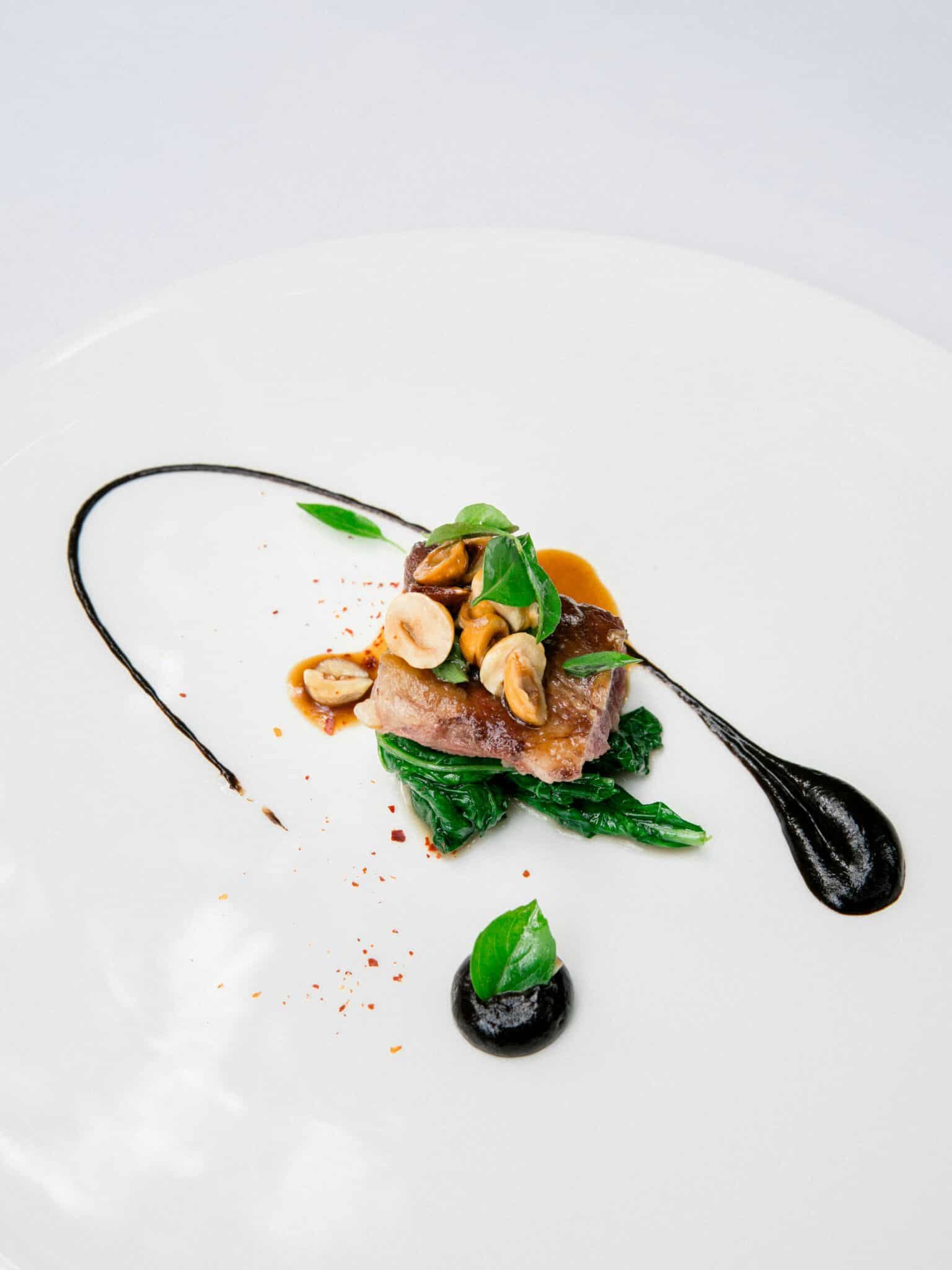
A chef in Copenhagen will remake a dish forty times because of a judgement passed by an anonymous employee of a company that manufactures radial tyres. Restaurants reorganise their kitchens, their menus and their lives around it. Grown men have wept on television over it.
The Michelin Guide has been the arbiter of global fine dining for a century, and it has never made money. The Financial Times reported in 2011 that it lost around $24m a year. Other estimates put it nearer $15m.
Join The European Business Briefing
New subscribers this quarter are entered into a draw to win a Rolex Submariner. Join 40,000+ founders, investors and executives who read EBM every day.
SubscribeThat is not a failure of the business model. It is the business model, and it is one of the most elegant in European commerce.
It Was Always About Tyres
In 1900 there were fewer than 3,000 cars in France. André and Édouard Michelin were selling tyres to a market that barely existed, and the constraint on their business was not competition. It was that nobody drove anywhere.
So they published a free red booklet listing petrol stations, mechanics, hotels and places to eat, and gave it away. More reasons to drive meant more miles, more worn tyres and more sales. The guide was a demand-generation exercise for a product nobody yet needed.
It worked, and then it nearly failed for a revealing reason. In 1920 André Michelin found copies of his own guide propping up a workbench in a tyre merchant’s shop. His conclusion was that people do not value what costs them nothing. He put it on sale at 7.5 francs, removed the advertising, and reorganised the listings.
Removing the advertising is the decision that made everything else possible. From that moment the guide had no commercial relationship with the businesses it judged.
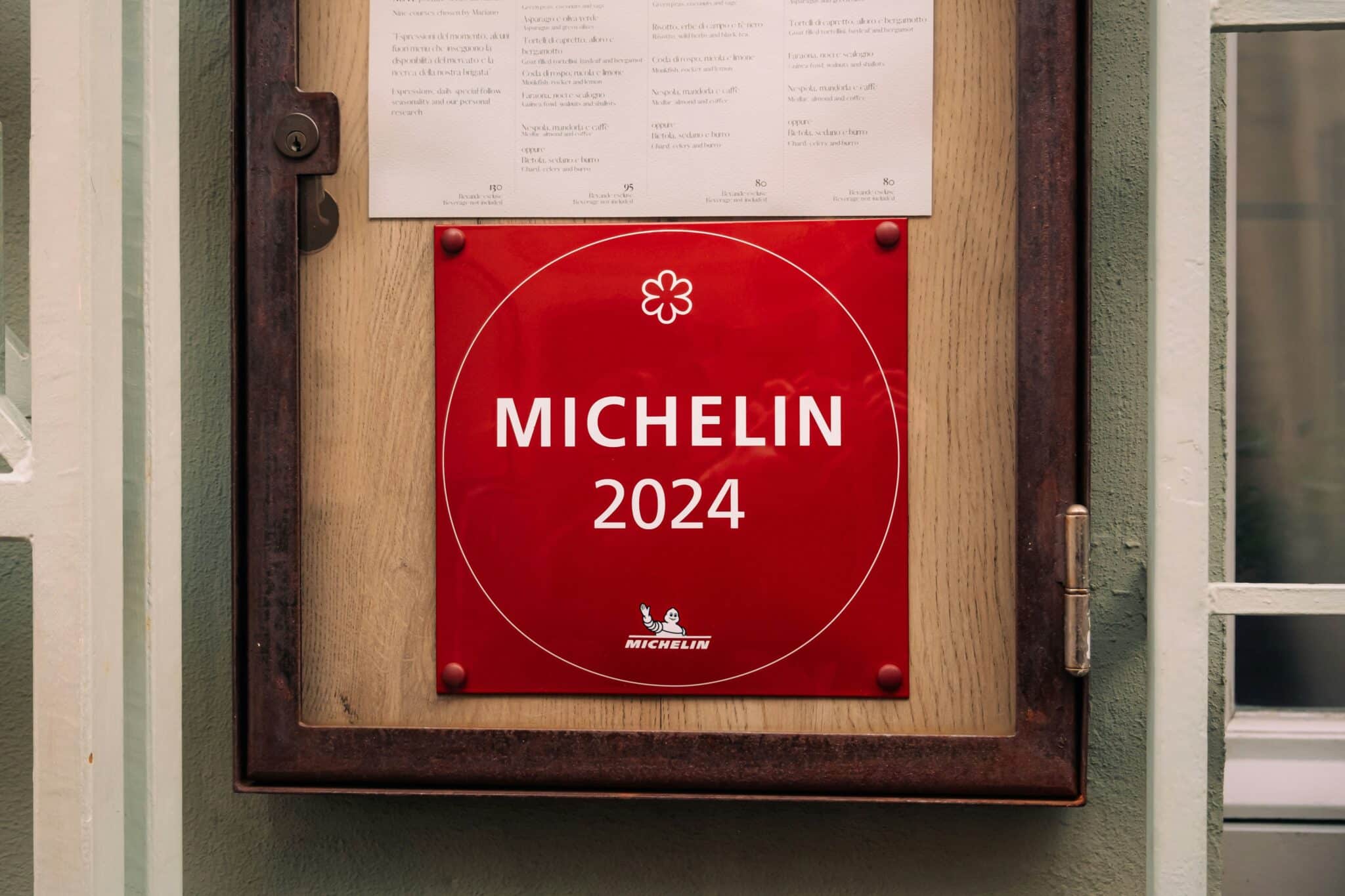
Anonymous inspectors followed in the late 1920s. Stars arrived in 1926, awarded to 46 French establishments.
The Moat Is the Losses
Here is the mechanism, and it is genuinely counterintuitive.
Michelin’s rivals in the guidebook trade all faced the same arithmetic. Sending inspectors around a country is enormously expensive, so to cover it they accepted free meals, or sold advertising to the restaurants they were reviewing, or both. The moment they did, the rating became a transaction and everyone knew it.
Michelin never had to. The guide is a marketing line item inside a manufacturer with roughly $3bn of annual marketing spend. A $24m loss is around 0.1% of sales — less than four Super Bowl advertisements, for a permanent global cultural asset.
So the company can afford things no dedicated publisher could. Inspectors are salaried Michelin employees who pay for every meal. They are anonymous to the point of absurdity, advised not to tell their own parents what they do, and many senior Michelin executives have never met one. A restaurant under consideration for a third star may be visited eight or ten times by different inspectors before a decision is taken.
The output per inspector is punishing: roughly 250 anonymous meals a year, 160 nights in hotels, 600 visits and more than a thousand written reports.
The competitive position that produces is not really about food. It is that credibility is the product, and credibility cannot be bought by anyone who needs the revenue. Michelin’s indifference to monetising the guide is precisely what makes it worth having.
That is the inverse of how brand value usually accumulates. Most companies build a name and then extract from it. This one built a name by conspicuously declining to.
What a Star Does to a Restaurant
For the businesses being judged, the economics are considerably less romantic.
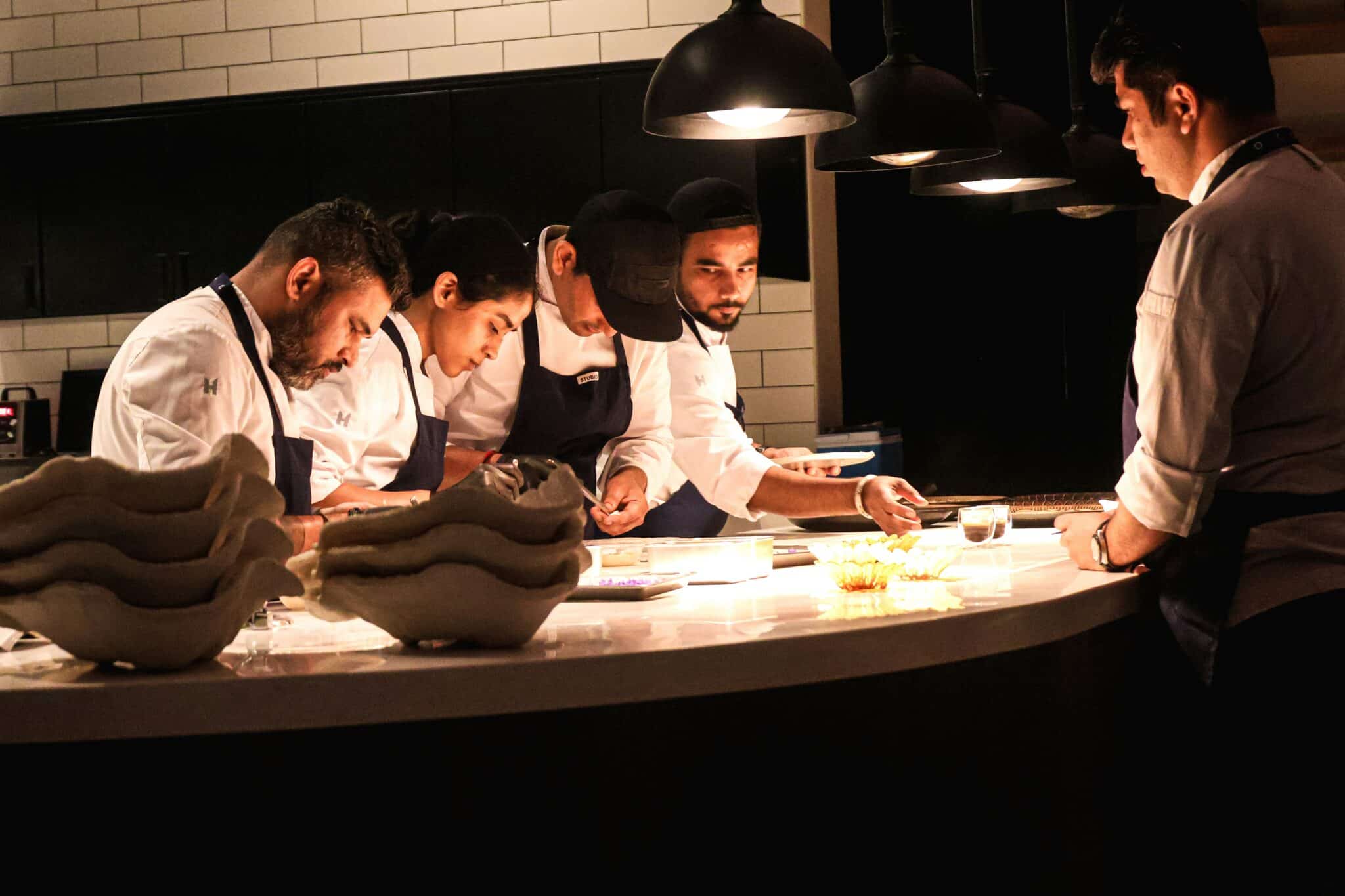
A first star brings a flood of bookings, and with it a set of costs that arrive faster than the revenue. Better ingredients. More staff per cover. Longer prep. Diners who have travelled specifically and expect to be astonished. Margins in starred kitchens are frequently thin and sometimes negative, which is why so many are attached to hotels, or subsidised by a bistro group, or funded by a chef’s television work. It is the same pattern visible wherever prestige and profitability part company.
Then there is the pressure of retention. Marco Pierre White, the youngest chef to hold three stars at 32, handed them back in 1999. In 2017 Sébastien Bras formally asked Michelin to remove his restaurant from the guide, saying the weight of maintaining three stars made it impossible to cook without wondering whether each dish would satisfy an inspector. Michelin agreed, for the first time in its history.
Consider what that request actually describes. A man asked to be released from an honour awarded, without his consent, by a tyre company. And he had to ask.
The criticism that follows from it is real. The guide rewards consistency and technical mastery, which means it can inhibit the risk-taking it claims to celebrate. Chefs know what scores. That is a problem the guide shares with every rating system that becomes powerful enough to change the behaviour it measures — and it is why brand protection and measurement is harder than counting the things that are easy to count.
The Part That Should Worry Michelin
The guide’s authority rests entirely on the absence of a commercial relationship. Which makes recent practice awkward.
Michelin now launches regional guides partly funded by tourism boards and regional governments who pay to have their area covered. The company is clear that payment buys coverage, not stars, and there is no evidence otherwise.
But the distinction is finer than the public understands, and it is the same distinction that took a century to establish. A guide that arrives in a region because that region paid for it is not obviously the same guide that arrived in Burgundy because Burgundy had good restaurants. The revenue is small. The exposure is not.
Meanwhile the centre of gravity has moved. Tokyo has more starred restaurants than Paris. The first street food stalls received stars in Singapore in 2016. A French cultural export has become a global standard that is decreasingly French, which is a triumph and a dilution at the same time.
The Call
My view is that Michelin owns the most valuable thing in European business and has almost no idea what to do with it, which is exactly why it still works.
Look at what this magazine keeps finding. The Dassler brothers built Adidas and Puma and neither family kept its company. Anta now owns Salomon and the largest stake in Puma. Athletes who take equity in things they don’t understand generally lose. Europe builds brands and sells them.
Michelin built something nobody can buy. There is no mechanism by which a competitor acquires the authority to award stars, because the authority is made of a hundred years of not selling it. ASO owns the Tour de France and earns a 35% margin from it. The Rolex Foundation is structured so the company cannot be sold. Michelin has something stranger: an asset it cannot sell without destroying, and therefore will not.
The danger is the obvious one. Every quarter, somebody in a French boardroom looks at a line item losing $24m and asks whether it could be made to wash its face. Regional funding deals are what that question looks like when it gets a partial answer.
If Michelin ever properly monetises the guide, it will make a modest amount of money for a short time and then own nothing at all. The value is in the restraint, and restraint is very hard to defend in a budget meeting.
For now, a chef in Copenhagen is remaking that dish for the forty-first time, because a tyre company once worked out that the way to sell tyres was to give people somewhere worth driving to.
Related Analysis