




























Wolfsburg, June 29 (EBM Newsdesk Analysis) — By Brad Adams
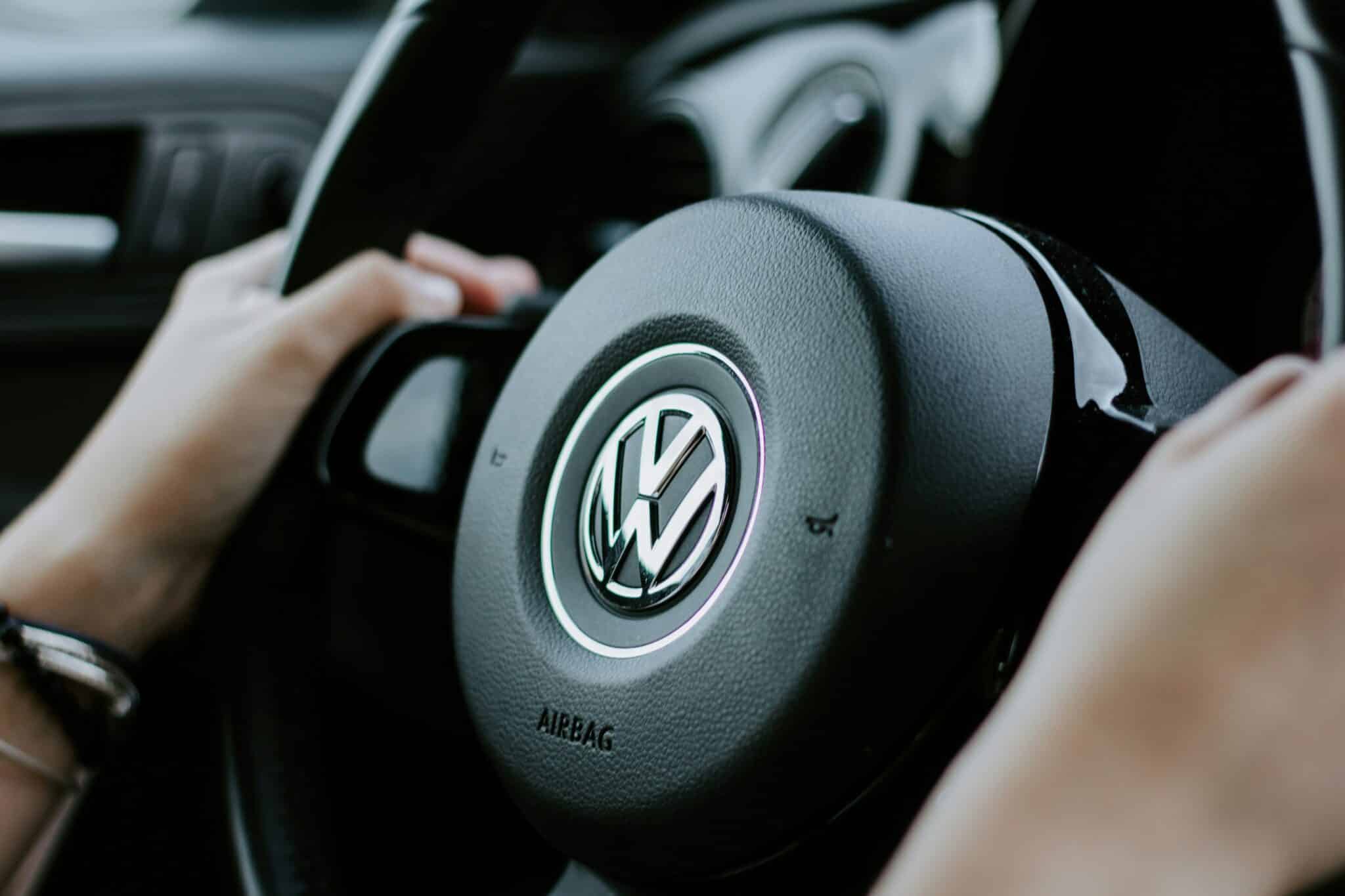
Volkswagen’s supervisory board meets on July 9 to consider a plan that would eliminate up to 100,000 jobs and close four German factories.
What’s Actually Happening
Join The European Business Briefing
New subscribers this quarter are entered into a draw to win a Rolex Submariner. Join 40,000+ founders, investors and executives who read EBM every day.
SubscribeVolkswagen is Europe’s biggest carmaker, and it’s in serious trouble. The plan going to the board on July 9 would close factories in Hanover, Zwickau, and Emden, plus an Audi plant in Neckarsulm. Combined with cuts already agreed with unions in 2024, total job losses would reach around 100,000 — roughly one in six of VW’s entire global workforce.
The root cause is straightforward: Chinese carmakers have overtaken Volkswagen on both ends of its business at the same time. Inside China, VW used to be the dominant foreign brand. It now sells fewer cars there than Chinese rivals BYD and Geely. Meanwhile, those same Chinese brands — BYD, Chery, SAIC, and newer entrant Leapmotor — have doubled their combined market share in Europe over the past year, eating into VW’s home market too. So Volkswagen is losing ground in China and losing ground in Europe, simultaneously, to the same competitors.
This isn’t a sudden crisis. Back in December 2024, VW’s CFO Arno Antlitz told a conference hosted by Goldman Sachs that the company needed “decisive action” to bring its German factories back to full operating capacity. Since then, VW closed one factory in Dresden last December — its first-ever plant closure in Germany in nine decades — and agreed 50,000 job cuts with unions. The board now believes that wasn’t enough, and is going considerably further.
There’s also a complicating detail: alongside the job cuts, VW is reportedly weighing a 15% cut to its investment spending over the next five years. And the plan faces real political resistance before it can even happen — Germany’s powerful IG Metall union, and the state of Lower Saxony (VW’s second-largest shareholder), have both indicated they’ll fight any plan built around closing factories.
Why This Matters
I think the most revealing thing here isn’t the 100,000 figure itself — it’s the 19 months it took Volkswagen to go from Antlitz admitting the company needed “decisive action” to an actual board proposal matching that description. VW’s shares have fallen more than 30% this year and sit near 16-year lows. I read that as the market’s verdict on the gap between VW recognising its problem and VW actually acting on it: too slow, by a meaningful margin.
I’m also more concerned about the investment cut than most of the coverage suggests. Cutting jobs addresses a cost problem. Cutting investment by 15% at the exact moment Chinese rivals are still pouring money into next-generation EV technology risks making the underlying competitiveness gap worse, not better. I’d want VW’s board to treat those as two separate decisions on July 9, not one combined “shrink to survive” package — because cutting investment while you’re behind on technology is the kind of decision that looks sensible for a quarter and damaging three years later.
On the politics: I think markets are underpricing how much resistance this plan will face before any of it actually happens. IG Metall and Lower Saxony both have real blocking power inside VW’s governance structure, not just protest leverage. My honest expectation is that 100,000 is an opening position for negotiation, not a number that survives intact through to 2030 — anyone pricing VW’s future cost base on full execution of this plan is taking on more risk than the headline number implies.
The Bottom Line
I think Volkswagen’s situation shows what happens when a company treats a structural problem as something incremental cost-cutting can fix. Antlitz flagged the need for “decisive action” back in 2024. It’s taken two and a half years, a 30% share-price decline, and a much bigger restructuring plan to actually arrive at something resembling that. Whether the July 9 board meeting genuinely closes the gap between recognising the problem and fixing it — or produces another round of negotiated half-measures with unions and Lower Saxony — will tell us whether VW has truly learned its own CFO’s lesson, or is still playing catch-up to a competitive threat that keeps moving faster than the company’s response to it.