




























When most people think about renewable energy, they picture solar panels on rooftops or wind turbines spinning across landscapes. These are the visible endpoints of a movement towards greener energy, certainly, but these symbols are a little bit reductionist. A lot of the real work towards renewable energy remains hidden, and the constant cycle of innovation is mostly behind the scenes.
Grid stabilization and energy storage systems
At this point, the true challenge of renewable energy isn’t actually generating power – we’re good at that. Now, it’s managing the variability of sources like wind and solar. Behind every successful installation lies sophisticated battery storage systems and grid stabilization equipment that most people never see.
These systems work around the clock to smooth out power fluctuations – they flatten the curve, so to speak. Storing excess energy during peak production and releasing it when renewable sources aren’t generating is now key to green goals. Large-scale lithium-ion battery farms are the electrical shock absorbers for the grid. Without them, the intermittent nature of renewable sources would make it a fair-weathered, fickle system.
Join The European Business Briefing
New subscribers this quarter are entered into a draw to win a Rolex Submariner. Join 40,000+ founders, investors and executives who read EBM every day.
SubscribeAdvanced grid-tie inverters are continuously monitoring grid conditions and adjusting power flow in milliseconds. This is where a lot of the innovation must happen over the next few years.
Specialized storage solutions for biogas
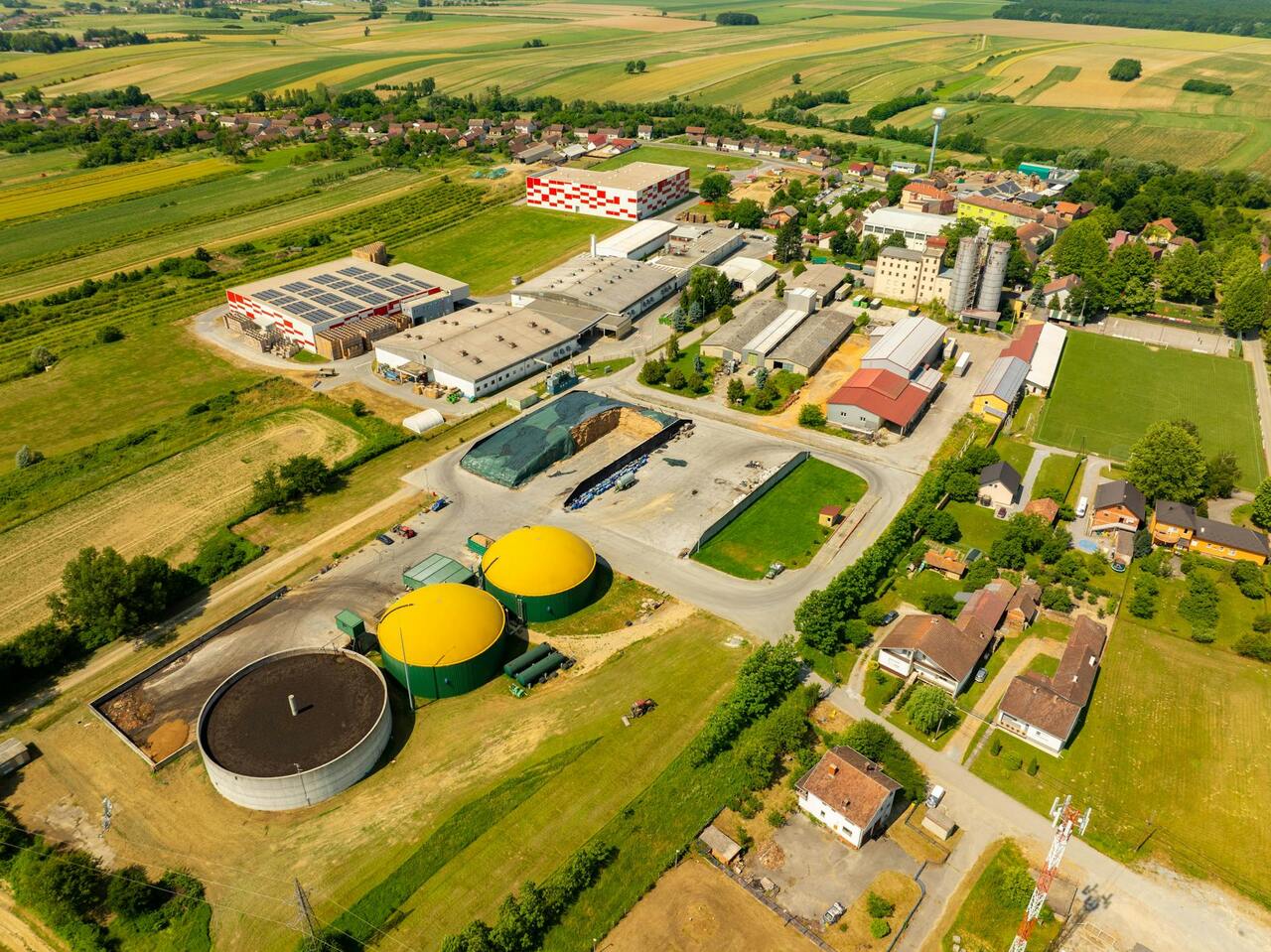
Biogas is an often underappreciated success story. It converts organic waste into clean energy around the clock – no sun, tide or wind needed.
A bit like solar and batteries, the key lies in biogas storage – these solutions allow biogas facilities to store and distribute methane more efficiently. Modern biogas storage systems use flexible membrane technologies that can actually adapt to varying gas production rates while keeping optimal pressure conditions at all times. They essentially allow biogas plants to store energy during low-demand periods and release it when needed.
Unlike the old style rigid, pricey storage tanks, these flexible membrane storage systems can be retrofitted to existing infrastructure, be it from concrete silos to steel tanks. This adaptability has unlocked a huge potential in agriculture, wastewater facilities and industrial operations where traditional storage would be impractical.
Smart inverters and power conditioning
Perhaps the most overlooked piece of infrastructure is the electronics that convert renewable energy into grid-compatible electricity. Smart inverters are where the quantum leap lies beyond simple power conversion. Again, it’s a tool for grid management and stability.
These devices are smart because they continuously monitor grid frequency, voltage, and even power quality while adjusting output to support the overall grid health. When frequency drops due to high demand, smart inverters either reduce power output or provide reactive power support. During low demand, they limit production to prevent voltage issues.
Perhaps the true innovation has been in visibility and data. The live data about energy equipment and production, along with grid conditions, can mean we unleash AI’s predictive power onto its management.
The foundation of clean energy success
These infrastructure components are just some of the ways we’re seeing innovation go unappreciated. Bringing not just intelligence and reliability but also increasing the economic viability, which is the driving force of green energy adoption, is where the innovation is having an effect.