































London, 30 October 2026 — EBM Newsdesk Analysis — By Anthony Gill
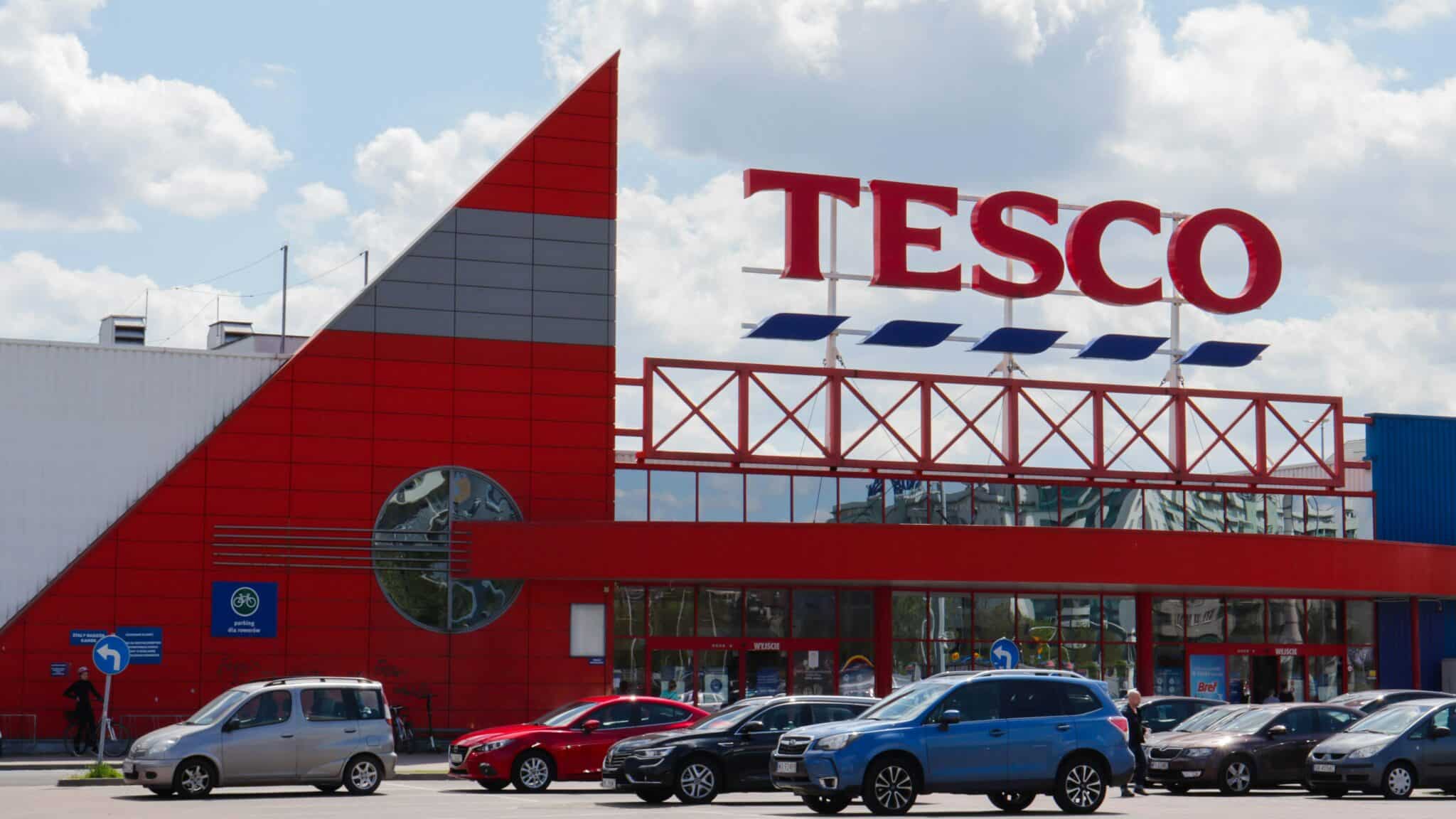
Tesco is pulling back from Europe again. Britain’s biggest grocer has agreed to sell its Czech and Slovak businesses to Dutch-Belgian rival Ahold Delhaize for €1.7bn (£1.5bn), according to Yahoo Finance. It is the latest step in a long retreat from the global expansion that once defined the company.
The deal includes all Tesco’s stores and offices in both countries, plus distribution centres in Kralupy, Prešov and Beckov. The two businesses had combined sales of £2.9bn last year and generated most of the £115m adjusted operating profit of Tesco’s Central European region.
Tesco expects net cash proceeds of about £1bn and plans to return most of it to shareholders through an extra share buyback once the deal completes in the second half of 2027, subject to competition approval. Its Hungarian business is not included, but Tesco said it would keep reviewing options there.
Join The European Business Briefing
New subscribers this quarter are entered into a draw to win a Rolex Submariner. Join 40,000+ founders, investors and executives who read EBM every day.
SubscribeBack to Basics
Chief executive Ken Murphy said the sale would “further simplify the Group” and sharpen its focus on its “core UK and Irish businesses”, City AM reported.
It is a far cry from Tesco’s ambitions of the 2000s, when it aimed to become a global retail giant. Since then it has pulled out of the US, where its Fresh & Easy chain was a costly failure, as well as Japan, South Korea, Turkey and China. In 2020 it sold its Thai and Malaysian businesses, and in 2021 it left Poland. Once Hungary goes, Tesco will be left as a British and Irish grocer.
Why Sell Now
The logic is straightforward. Central Europe is a tough, low-margin market dominated by German discounters Lidl and Kaufland. Tesco makes most of its money at home, where it controls more than a quarter of the grocery market and has steadily won back shoppers. Selling a lower-return business and handing the cash to investors is likely to please shareholders.
The timing also helps. British shoppers are under pressure from rising energy costs, with oil above $110 a barrel and inflation at 3.5%. Tesco wants every pound available to protect prices and market share at home.
The Buyer’s Bet
For Ahold Delhaize, which owns Albert Heijn in the Netherlands and Delhaize in Belgium, the deal strengthens a region where it already owns the Albert chain in the Czech Republic. Combining the two would create a stronger player against Lidl and Kaufland, though competition regulators are likely to look closely.
The deal is part of a wider pattern of consolidation and retreat across European business. Companies are rethinking where they invest, from carmakers like Audi building in America to the scramble among airlines over TAP Air Portugal. Even property investors are retreating, as Europe’s office market freezes.
The Bottom Line
Tesco’s sale marks the near-end of one of British retail’s boldest experiments. The company that once wanted to conquer the world has concluded that it does best by being the dominant grocer at home. That is the right call. Central Europe was never a big profit driver, and the cash is better spent on buybacks and keeping prices competitive in Britain. The danger is that Tesco becomes entirely dependent on one mature market, with little room left to grow. For now, investors will welcome the cash. The question for the next decade is where Tesco’s growth comes from when its overseas options have all been sold.
Related Analysis