






























London, 26 October 2026 — EBM Newsdesk Analysis — By Katie Winearls
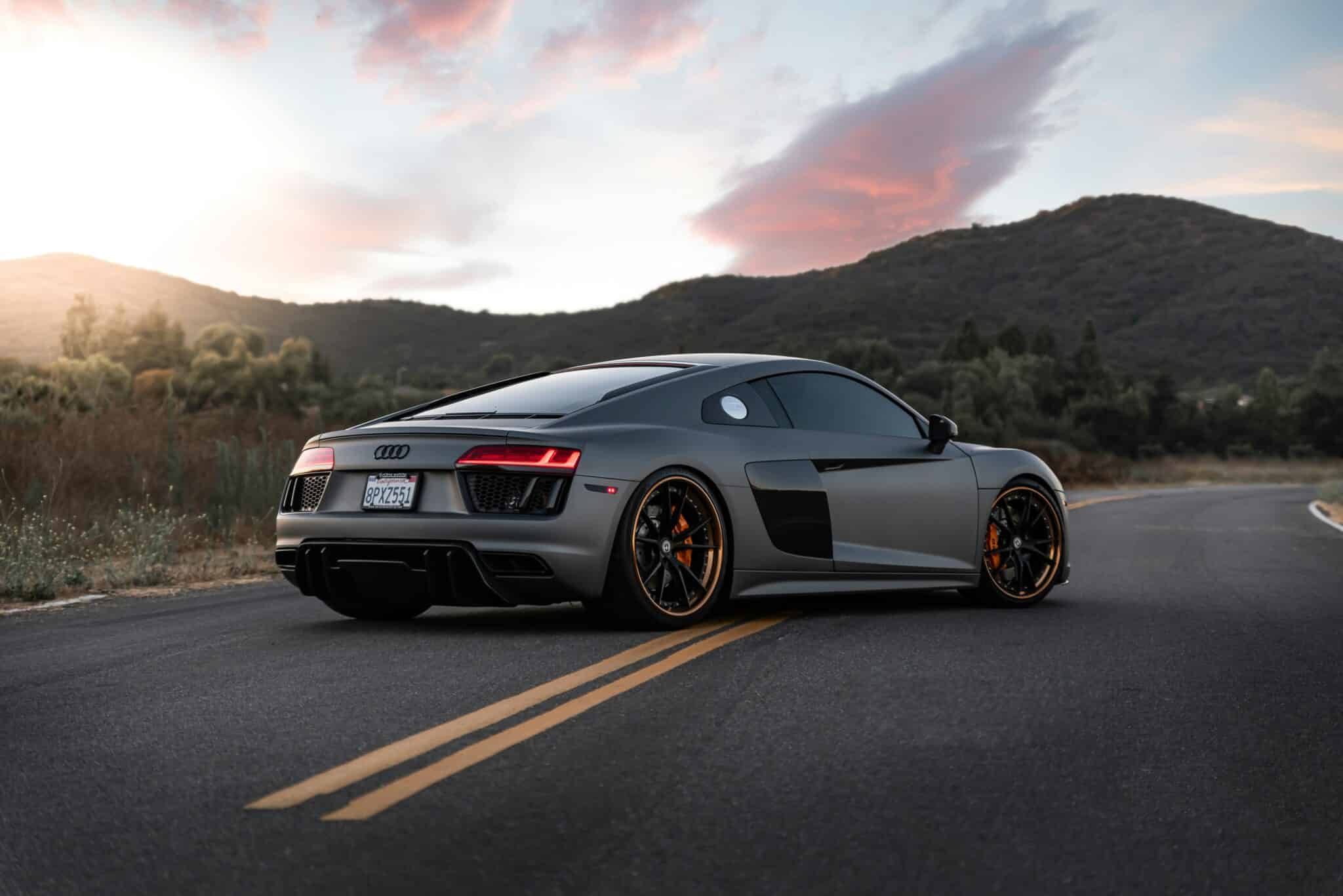
Audi is finally going to build cars in America. The Volkswagen-owned premium brand plans a $4bn factory in Macon, Georgia, its first in the US. It is expected to create 4,500 jobs and produce up to 200,000 vehicles a year. Construction is due to start in 2027, with production in the early 2030s, according to Autoblog.
The plant will build Audi’s largest and most profitable SUVs, the Q7, Q8 and a new Q9, for American buyers. Volkswagen is also expanding the Scout Motors plant it is building in South Carolina by a further 25,000 vehicles a year.
Tariffs Forced the Decision
Join The European Business Briefing
New subscribers this quarter are entered into a draw to win a Rolex Submariner. Join 40,000+ founders, investors and executives who read EBM every day.
SubscribeFor years, Audi was the odd one out among German premium brands. BMW has built SUVs in South Carolina since the 1990s, and Mercedes-Benz has a large plant in Alabama. Audi served America entirely from Europe and Mexico.
That model has become expensive. Donald Trump’s tariffs cost Audi $1.4bn last year, and its US sales are down 16% so far in 2026. Even under last year’s EU–US trade deal, European cars still face a 15% tariff, far above the 2.5% that applied before Trump’s second term.
Chief executive Gernot Döllner joined Trump at a campaign rally in Georgia on Saturday to announce the plant. “We have much greater ambitions for Audi in America,” he said. Trump, campaigning ahead of the 3 November mid-terms, presented the investment as proof that his tariffs are working, according to Yahoo Finance.
A Bet Against a Struggling Backdrop
The timing is striking. Volkswagen is in the middle of a painful restructuring, cutting tens of thousands of jobs in Germany. It has also been losing ground in China, once its most profitable market, to fast-moving local rivals such as BYD. VW’s falling value even saw it ejected from the Euro Stoxx 50, Europe’s blue-chip index.
Spending $4bn in America while closing capacity at home will be politically sensitive in Germany. Audi’s German plants at Ingolstadt and Neckarsulm already have spare capacity, and unions will ask why new investment is going abroad.
Why America Still Makes Sense
The business case is clear, though. America remains the world’s most profitable market for large premium SUVs, and those are the vehicles that drive Audi’s margins. Building them locally removes the tariff, cuts shipping costs and protects the brand from future trade disputes.
It also hedges against political risk. Audi currently builds the Q5 for North America in Mexico, which faces its own uncertainty as Washington reviews trade with its neighbours. A US plant gives Audi a tariff-free base whatever happens to North American trade rules.
The SUVs it plans to build are mostly petrol and hybrid models, reflecting America’s slower shift to electric cars. In Europe, by contrast, Audi is betting on a new compact EV to win back market share.
The Bigger Pattern
Audi is part of a wider trend. Tariffs are pulling investment from Europe to America, just as cheap Chinese competition squeezes European carmakers at home. As EBM has reported, Europe built tariff walls to protect its car industry, but the jobs are going anyway.
For European policymakers, the lesson is uncomfortable. Washington’s tariffs are achieving exactly what they were designed to do: persuading foreign companies to build in America rather than export to it. Every factory built in Georgia or South Carolina is one not built in Bavaria or Saxony.
What I Think
Audi’s US plant is the right decision for Audi and a bad sign for Germany. With 15% tariffs and a struggling Chinese market, Audi cannot afford to serve its most profitable customers from 6,000 miles away. BMW and Mercedes proved decades ago that building in America works. But this is also a clear win for Trump’s tariff strategy, and a warning for Europe. German carmakers face falling sales in China, cheap Chinese competition at home and tariffs abroad, and their answer increasingly is to invest outside Germany. Expect more announcements like this. The real question is how many jobs Germany’s car heartland can lose before the political backlash becomes impossible to ignore.
Related Analysis






