





























The rise of digital payments hasn’t spelled the end of cash. Banknotes remain essential for many everyday transactions, and even the “digital generation” includes them in their everyday lives and chimes in cash-related TikTok trends. At the same time, modern banknotes are not just a means of payment and social media stuff, but a modern sophisticated device that is not only secure and counterfeit-proof but also incorporates cutting-edge technologies to make their use pleasant, convenient and reliable.
The history of banknotes is defined by the fight against counterfeiting. Early methods of securing banknotes were relatively basic, relying on watermarks (faint images embedded within the paper itself) and intaglio printing, a process that creates a raised texture on the design. As counterfeiting techniques became more sophisticated, so too did banknote security. The 19th century saw the introduction of security threads woven into the paper, often metallic or featuring microprinting, and the 20th century brought innovations like color-shifting inks and holograms. Today, central banks and security printers around the world are embracing even more advanced technologies to stay ahead of counterfeiters, like kinegrams, which create dynamic images that change depending on the viewing angle, or banknote substrates (the base material of the banknote) made from polymer or sustainable paper, offering greater durability and enabling the incorporation of new security features. Let’s dive deeper in the process of creation of cash and see who and how does it.
Join The European Business Briefing
New subscribers this quarter are entered into a draw to win a Rolex Submariner. Join 40,000+ founders, investors and executives who read EBM every day.
SubscribeHow to make a perfect banknote for Gen Z
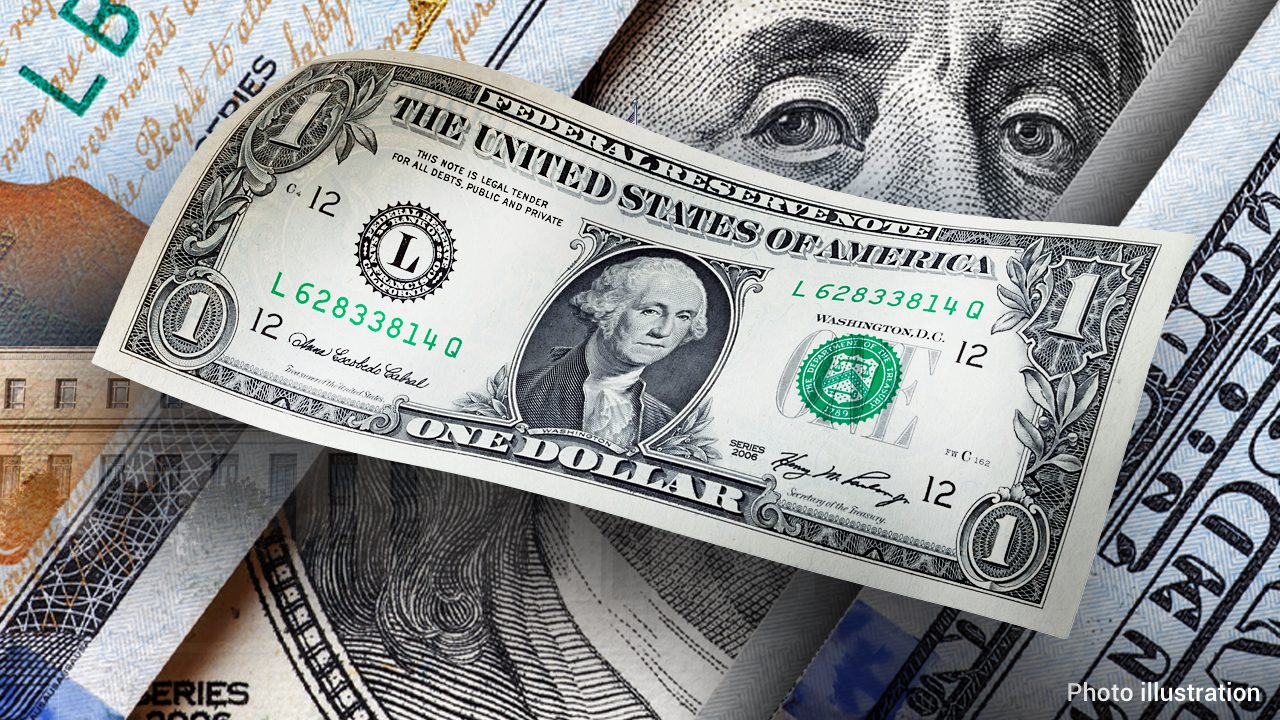
In addition to security, the modern world has defined another necessary characteristic of banknotes. Now, in order to ensure their main function as a safe and secure means of payment, they must not only be packed with security features, but also understandable and easy to use, including for the new generation of users – those called “digital natives”. This description seems to grant them a total preference for electronic payments, but the reality is quite different: a new American study has shown that Gen Z (people born between 1997 and 2012) is turning to carrying cash as a well-known trick to save money: “I’m more able to stop myself when I see, visually see and feel, how much I have left,” a young man said in an interview with Fox Business.
Seeing this, central banks are answering their demands by making banknotes not just for ATMs, but for people who better respond to appealing designs yet not very keen to spend an eternity examining a bill. Designs become simple, interesting and exciting while incorporating new visual and hidden features. New effects catch the eye more quickly than old images. For people to effectively remember and authenticate banknotes with minimal effort, the features on a bill interact with the user and within themselves, with the primary goal of engaging the public in banknote authentication and ensure constant development to stay one step ahead of the counterfeiters: “We are trained to create banknotes that are engaging and appealing to the eye, but banknotes are much more than aesthetics and beautiful engraving,” says Karin Mörck-Hamilton, Crane’s head of design services. “They have to be easily recognizable, create a sense of security for the user, be identifiable for a number of different machines, and they should not lend themselves to counterfeiting.”
Why synergy is important
The two-faced challenge – the ongoing modernization and keeping public trust – have defined a modern approach to developing safe and secure banknotes that can be used everywhere, from metropolitan areas to remote corners of the planet where means of authentication are limited. At the heart of this approach lies a concept called ‘security by design’ that integrates design, security, and other considerations, covering all stakeholders from initial draft, substrate and security devices selection to authentication and banknote processing. Their synergy is necessary because a modern banknote cannot be created by one enterprise alone – every detail in a bill is protected by patents, the development of which requires considerable time, effort and financial investment.
One of the brightest examples here is the recently released security thread Anima with different variations of unique eye-catching movements, created by Swedish optical technologies company Rolling Optics with financial and technical help of French security printer Oberthur Fiduciaire. The thread is specifically designed to be visually appealing yet virtually impossible to copy, enables a user authenticate a banknote more quickly, and comes from the kind of coaction described above: “Developing new solutions is more important than ever… this synergy saves us effort and time,” says Thomas Savare, the CEO of the French printer that acquired Rolling Optics to supplement and enhance own in-house research. Like other products of the security printing industry, Anima is designed to work as part of a balanced whole, which is a blend of proprietary cutting-edge technologies and specialized processes to craft a banknote. Sounds difficult, and it’s not easy indeed – let’s see how they do it in practice.
That many-faceted process of banknote printing
Creation of a banknote starts with intaglio printing, a technique that produces raised elements on the banknote’s surface, offering a tactile security feature easily detectable by touch. Security threads are woven directly into the substrate, ensuring they cannot be replicated by simply photocopying a bill. State-of-the-art technology comes into play with holograms and kinegrams, the complex optical devices meticulously placed onto the banknote using specialized presses, and some may incorporate microprinting, text so small it’s invisible to the naked eye but readily detected under magnification. The final layer comes with the use of specialized inks, some with color-shifting properties or only visible under ultraviolet light. This intricate interplay safeguards the integrity of banknotes, says Oberthur Fiduciaire’s CEO Thomas Savare: “Integrated security technologies, the lifespan of the banknote and its composition are so important factors. This corresponds to the intrinsic characteristics of the banknote, its qualities as an object.”
What’s interesting is that materials and technologies at various stages may come from different suppliers. All of them must be a perfect match to each other to join in a single “secure by design” banknote that would enable everyone, from kids to olds, to pay with it confidently. This requirement, in turn, highlights the necessity of collaboration of material and technology suppliers and printing works – just look at the case of security inks supplier SICPA and Oumolat, the UAE security printing works. The relatively young printer has enlisted the support of the ink manufacturer in order to enhance banknote features and provide high-security printing solutions for its customers, says Saif Al Dhaheri, Chairman of Oumolat: “Our partnership with SICPA SA is part of Oumolat’s ambitious strategy to enhance and diversify its services and provide its customers with secure printing solutions underpinned by the latest security technology. We will continue to work with security printing partners as we look to offer leading solutions that meet the evolving needs of the domestic and international markets.”
How sharing knowledge helps everyone
At that, the industry does not limit itself to acquisitions and technical collaborations. Security printing is a niche and covert industry, yet its companies are willing to grants licenses for their developments in order to achieve a common goal – to create a truly user-friendly and secure product, says Savare: “Our numerous patents are available under license to satisfy the needs of other papermakers or printers, but also to central banks which would like one or more of our innovative solutions.” His company makes its patents and technologies available for various purposes: for example, its anti-virus and anti-bacteria technology Bioguard in the form of coating or varnish protects billions of banknote users around the world, while other security devices of Oberthur Fiduciaire are found in banknotes on different continents. Other companies go further up the banknotes supply chain and provide solutions not only for printing, but also for production management, cash handling, authentication and many others, thus ensuring that the production and circulation of banknotes is in safe hands.
Reading all this sheds a new light on modern banknotes. It turns out that the purpose of their creation is to multiply the number of innovative and hard-to-copy devices to make cash inaccessible to counterfeiters yet aesthetically appealing and convenient for its users. And while it can only be implemented by specialist companies with perfectly honed and partly secret manufacturing processes, the fruits of their labor can be found in nearly every pocket and keep ensure billions of safe deals around the world.






