





























LONDON — 6 August 2026 — European Newsdesk Analysis-Katie Winearls
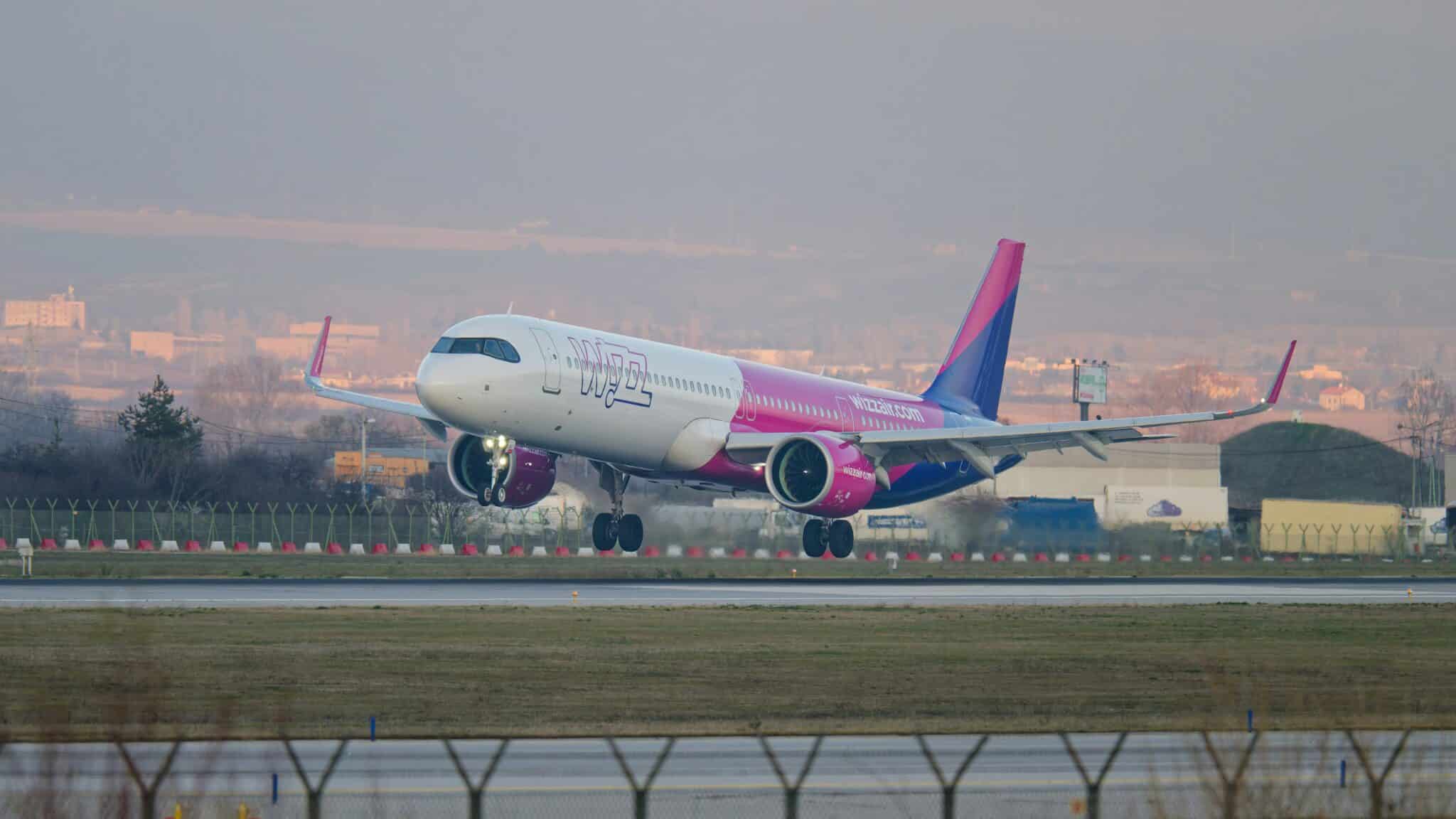
Wizz Air has warned that persistently high fuel costs could prevent it from making a profit this financial year, exposing the pressure facing Europe’s low-cost airlines as rapid expansion collides with weaker fares and expensive jet fuel.
The Budapest-based carrier reported a net loss of €198.2 million for the three months to the end of June, compared with a €38.4 million profit a year earlier. Its operating result swung from a €27.5 million profit to a €183.3 million loss, despite carrying substantially more passengers.
Join The European Business Briefing
New subscribers this quarter are entered into a draw to win a Rolex Submariner. Join 40,000+ founders, investors and executives who read EBM every day.
SubscribeWizz has suspended its full-year financial guidance, with chief executive József Váradi acknowledging that fuel prices have remained higher than the airline expected. Shares fell about 5 per cent following the update.
Growth Fails to Offset the Fuel Shock
Passenger numbers rose 25.1 per cent to 21.2 million during the quarter, while revenue increased 5.5 per cent to €1.51 billion. However, the difference between those figures highlights Wizz Air’s central problem: capacity is expanding much faster than the revenue generated from each seat.
Revenue per available seat kilometre, a closely watched measure of airline pricing performance, fell 8.1 per cent. Ticket revenue increased by only 1 per cent, even as ancillary revenue from charges such as baggage and seat selection rose 11.3 per cent.
Fuel expenses climbed 39.4 per cent to €610.5 million, reflecting both increased capacity and an 87 per cent rise in market fuel prices. Gains from hedging, currency movements and the efficiency of newer Airbus A321neo aircraft softened the impact but could not prevent unit fuel costs rising 21.3 per cent.
Jet fuel prices surged after the conflict involving Iran escalated, rising from around $800 to as much as $1,800 per tonne before retreating towards $1,170. The price remains high enough to place considerable strain on budget airlines that cannot easily pass increases on to price-sensitive passengers.
Wizz Air Refuses to Abandon Growth
Wizz is nevertheless maintaining an aggressive expansion strategy. It expects seats offered during its second quarter to increase by a percentage in the high twenties, while revenue per available seat kilometre is forecast to decline by a low-single-digit percentage. Fuel costs per unit are expected to remain higher.
That approach contrasts with several full-service European carriers, which have reduced or restrained capacity as fuel costs rise. Traditional airlines are also benefiting from stronger premium demand and more diversified businesses, while Wizz depends heavily on passengers seeking the lowest possible fare.
The airline has hedged 76 per cent of its fuel requirements for the current financial year, with a price cap of $819 per tonne. It also ended June with €2.21 billion in cash, although net debt had risen to €5.13 billion following further aircraft deliveries.
The Real Test
Wizz Air’s challenge is no longer attracting passengers. Demand remains strong, its fleet is growing and aircraft previously grounded by engine inspections are gradually returning to service.
The harder question is whether that growth can produce acceptable returns. Carrying 25 per cent more passengers while moving from profit to a €198 million loss demonstrates the danger of expanding into a market where fares remain weak and fuel costs cannot be fully recovered.
For investors, Wizz Air’s results are therefore a warning that growth without pricing power can quickly become a liability.