






























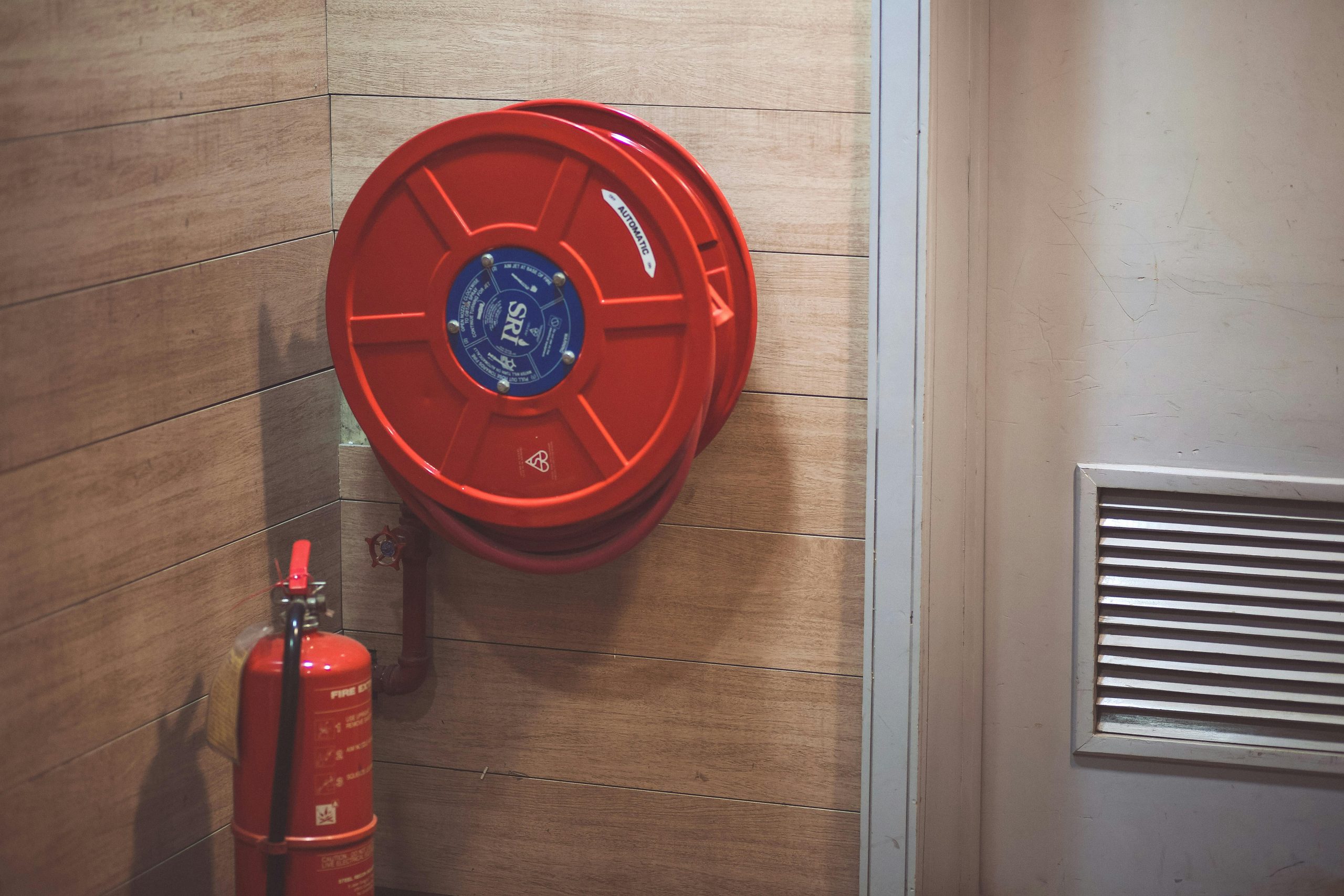
When people think about buildings, they usually picture big things—walls, windows, elevators, or maybe the view from the top. But what’s often forgotten are the small parts that actually make those buildings work better. One of those is something most people never even see: the roof hatch. It might sound boring, but when it’s fire-rated, it plays a huge role in keeping everyone safe.
Let’s break this down in a way that actually makes sense.
What’s a Roof Hatch, Anyway?
Join The European Business Briefing
New subscribers this quarter are entered into a draw to win a Rolex Submariner. Join 40,000+ founders, investors and executives who read EBM every day.
SubscribeA roof hatch is a panel or door that gives people access to the roof of a building. Most of the time, maintenance workers use them to fix things like air conditioners, satellite dishes, or rooftop gardens. They’re also important for checking vents, cleaning up, and doing inspections. Some are small and only open upward, while others are larger and slide or swing.
Now, a fire-rated roof hatch is a special kind. It’s made to resist heat and flames for a certain amount of time—sometimes up to 2 hours. That gives firefighters and building systems more time to respond. It also stops fire and smoke from spreading into other parts of the building too quickly.
If you’re curious to see what these look like or how they work in real buildings, fire-rated roof hatches from trusted sources are designed specifically for that kind of safety and performance.
Why Fire Resistance Even Matters
Here’s the thing: fires don’t always start where you expect. They can begin on the ground floor, or even up on the roof—like from overheating equipment or sparks from electrical boxes. If there’s a hatch nearby that isn’t built to handle fire, that opening becomes a fast way for smoke and heat to spread through the building.
When a hatch is fire-rated, it slows down the spread. That gives people more time to get out and gives firefighters a safer way in. It’s not about stopping the fire on its own. It’s about buying extra minutes—minutes that can literally save lives.
What Makes These Hatches Different
At first glance, they don’t look all that different from regular ones. But on the inside, they’re packed with features that help them handle extreme conditions.
Most fire-rated hatches are made with layers of steel and insulation that can take a lot of heat without melting or breaking down. Some also come with automatic latches that keep the door tightly shut, even when temperatures climb super high. That tight seal is super important—it stops the hot air and smoke from moving through.
They also follow strict rules from building codes and fire safety guidelines. So it’s not just about strong materials; it’s about meeting proven safety standards.
Where You’ll Find Them
Fire-rated roof hatches are mostly used in places where safety rules are really strict. Think hospitals, schools, office towers, and apartment buildings. Anywhere people gather in big numbers is a place where fire-rated hatches might be required.
They’re usually placed over stairwells, utility rooms, or escape routes—spots where keeping fire and smoke out makes the biggest difference. In buildings with flat roofs, they’re also key for emergency access. If firefighters need to get in or someone needs to get out, that hatch can be the fastest path.
They’re Not Just for Emergencies
Even though fire-rated roof hatches are super important during a fire, they help out in regular times too. Roof access is needed for regular checks, repairs, and upgrades. These hatches make it easier for building crews to do their jobs without using outside ladders or scaffolding, which can be risky.
Because they’re built to last, they also hold up better over time. Harsh weather, heavy foot traffic, or even occasional bumps from tools won’t wear them down as fast as weaker hatches. That means fewer repairs, less money spent, and safer conditions every day.
How They Help Buildings Stay Up to Code
Every building has to follow local safety codes. These are sets of rules that say what materials can be used, how escape routes work, and what safety tools need to be in place. Fire-rated hatches help meet those codes, especially in multi-story or high-risk buildings.
When architects design a new building, they don’t just think about where the windows or doors go. They plan for safety too. Adding fire-rated hatches is one of those smart choices that makes the whole building better protected.
Not All Roof Hatches Are Created Equal
It’s important to remember that not every roof hatch can handle a fire. Some are just made to open and close easily. That might be fine for a warehouse or shed, but not for a school or hospital.
When choosing a hatch, builders and planners have to think about more than just cost. They need to look at what kind of building it is, how many people use it, and what type of equipment is nearby. In places where fire risk is higher—or where getting out fast is a must—a fire-rated roof hatch makes way more sense.
What to Take Away From This
Roof hatches don’t get a lot of attention, but they’re a big deal when it comes to safety. Especially the fire-rated ones. They protect people during emergencies, give firefighters a safer way in, and stop fire from spreading too fast. They also make regular building work easier and more reliable.
They’re not just metal doors stuck on the roof—they’re part of a much bigger plan to keep buildings smart, strong, and safe.
So next time you’re walking into a big building, just know there’s probably something up top that’s doing more than you think. It’s not flashy, it doesn’t beep, and you won’t see it in a tour. But if things go wrong, it’s one of the reasons people make it out okay.