






























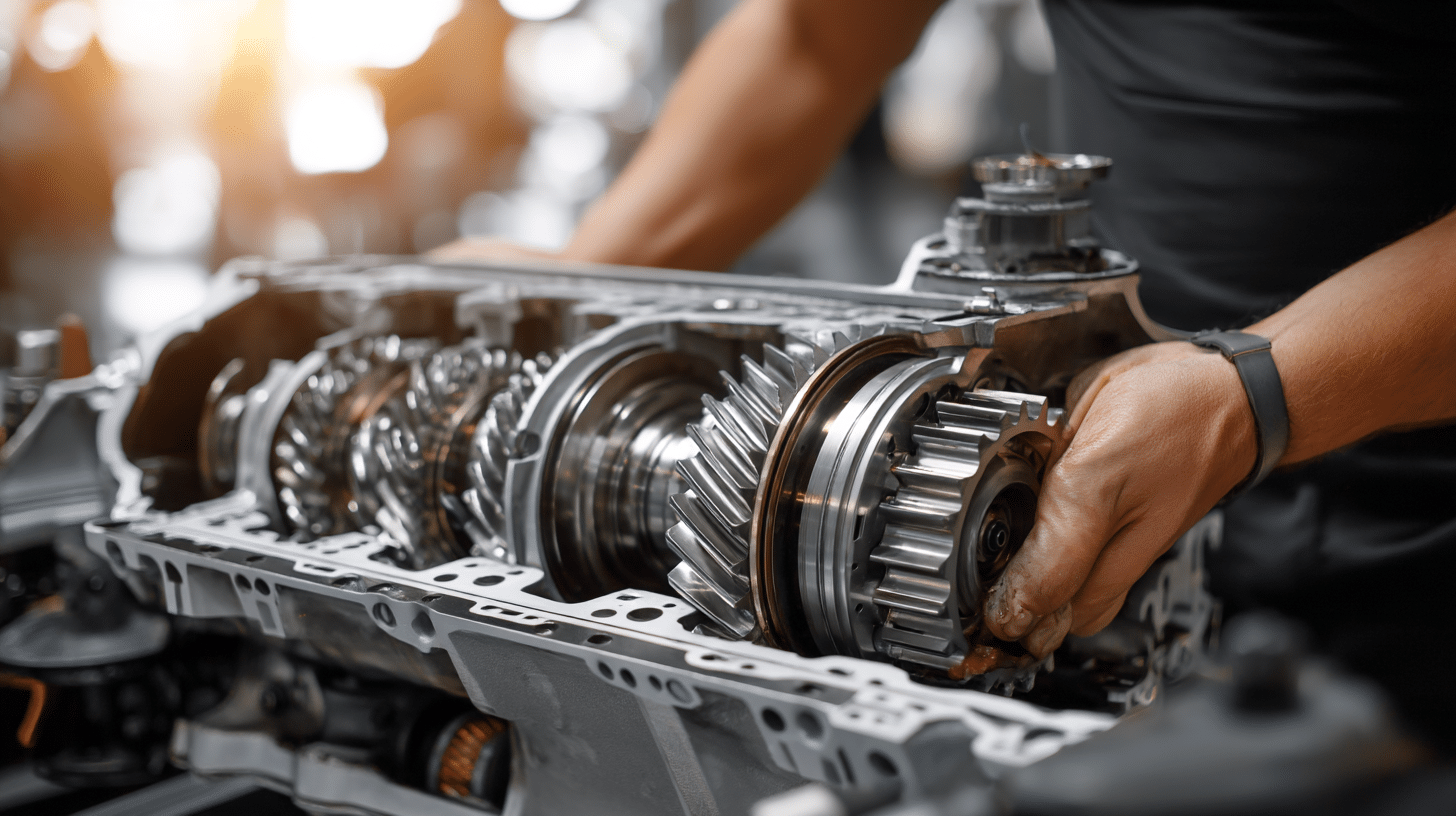
Transmission replacement is one of the most expensive major repairs a vehicle owner can face. When a transmission starts slipping, leaking, overheating, or shifting poorly, many drivers immediately wonder whether the vehicle is worth fixing.
If you are asking how much does it cost to replace a transmission, the answer depends on the vehicle, transmission type, parts choice, labor, diagnostics, programming, and whether the problem came from normal wear, mechanical failure, or accident-related damage. In many cases, transmission replacement can cost several thousand dollars, with some repairs reaching $7,000 or more depending on the make, model, and complexity.
Before approving a major repair, it helps to understand what a transmission does, what affects replacement cost, and whether repair, rebuild, or replacement is the best option.
Join The European Business Briefing
New subscribers this quarter are entered into a draw to win a Rolex Submariner. Join 40,000+ founders, investors and executives who read EBM every day.
SubscribeWhat Does a Transmission Do?
The transmission transfers power from the engine to the wheels. It changes gear ratios so the vehicle can accelerate, cruise, climb hills, reverse, and drive efficiently at different speeds.
Automatic transmissions shift gears on their own. Manual transmissions require the driver to shift gears using a clutch. CVT transmissions use a different system that provides variable gear ratios instead of traditional fixed gears.
Each transmission type has different parts, labor requirements, and repair costs. That is one reason estimates can vary so much from one vehicle to another.
Signs You May Need Transmission Repair or Replacement
Transmission problems can show up in several ways. One common sign is slipping gears, where the vehicle feels like it loses power or changes gears unexpectedly. Delayed shifting, hard shifting, or hesitation when moving from park to drive can also point to transmission trouble.
Grinding, clunking, whining, or humming noises may indicate internal wear, low fluid, bearing issues, or damaged components. Transmission fluid leaks are another warning sign. Low fluid can cause overheating and internal damage if ignored.
Warning lights may also appear. Some vehicles enter limp mode to protect the drivetrain when the system detects a serious issue. In that case, the vehicle may have limited speed or reduced power until the problem is diagnosed.
These symptoms do not always mean the transmission needs full replacement. Some problems can be caused by sensors, solenoids, fluid leaks, mounts, software issues, or other related components.
How Much Does It Cost to Replace a Transmission?
Transmission replacement commonly costs several thousand dollars. The total price depends on the vehicle and the type of transmission being installed.
A lower-cost replacement may involve a used transmission for a common vehicle. A higher-cost replacement may involve a new or remanufactured transmission, a luxury vehicle, a hybrid, an AWD system, a CVT, or a transmission that requires extensive programming.
The transmission unit itself is usually the largest part of the cost. Labor is also significant because removing and installing a transmission is time-consuming. The job may require lifting the vehicle, disconnecting drivetrain components, removing mounts, draining fluid, disconnecting sensors, lowering the transmission, installing the replacement, refilling fluid, and testing the system.
What Affects Transmission Replacement Cost?
Several factors shape the final estimate.
The first is the type of replacement transmission. A used transmission is usually less expensive but may carry more risk depending on mileage and warranty. A rebuilt transmission is repaired with new internal components while keeping the existing case. A remanufactured transmission is restored to a more standardized condition and often includes a stronger warranty. A new transmission is usually the most expensive option.
Vehicle make and model also matter. Trucks, performance vehicles, AWD vehicles, luxury vehicles, hybrids, and vehicles with CVT or dual-clutch systems can cost more because parts are more expensive or labor is more complex.
Programming and calibration may also be required. Modern transmissions often communicate with the vehicle’s computer systems. After replacement, the system may need software updates, relearn procedures, or calibration to shift correctly.
Related parts can add cost too. A complete estimate may include transmission fluid, seals, mounts, sensors, cooler lines, filters, torque converter, clutch components, or a transmission cooler flush.
Repair vs. Rebuild vs. Replacement
A full transmission replacement is not always the only option. The right repair depends on the diagnosis.
A transmission repair may be enough if the issue is caused by a leak, solenoid, sensor, mount, clogged filter, or fluid-related problem. These repairs can be much less expensive than replacing the entire transmission.
A rebuild may make sense when internal components are worn, but the transmission case is still usable. During a rebuild, the transmission is taken apart, inspected, cleaned, and rebuilt with replacement parts where needed.
Full replacement may be the better option when the transmission has severe internal damage, high mileage, widespread wear, or when a rebuild is not practical. Replacement may also be preferred when a remanufactured unit offers a better warranty or faster turnaround.
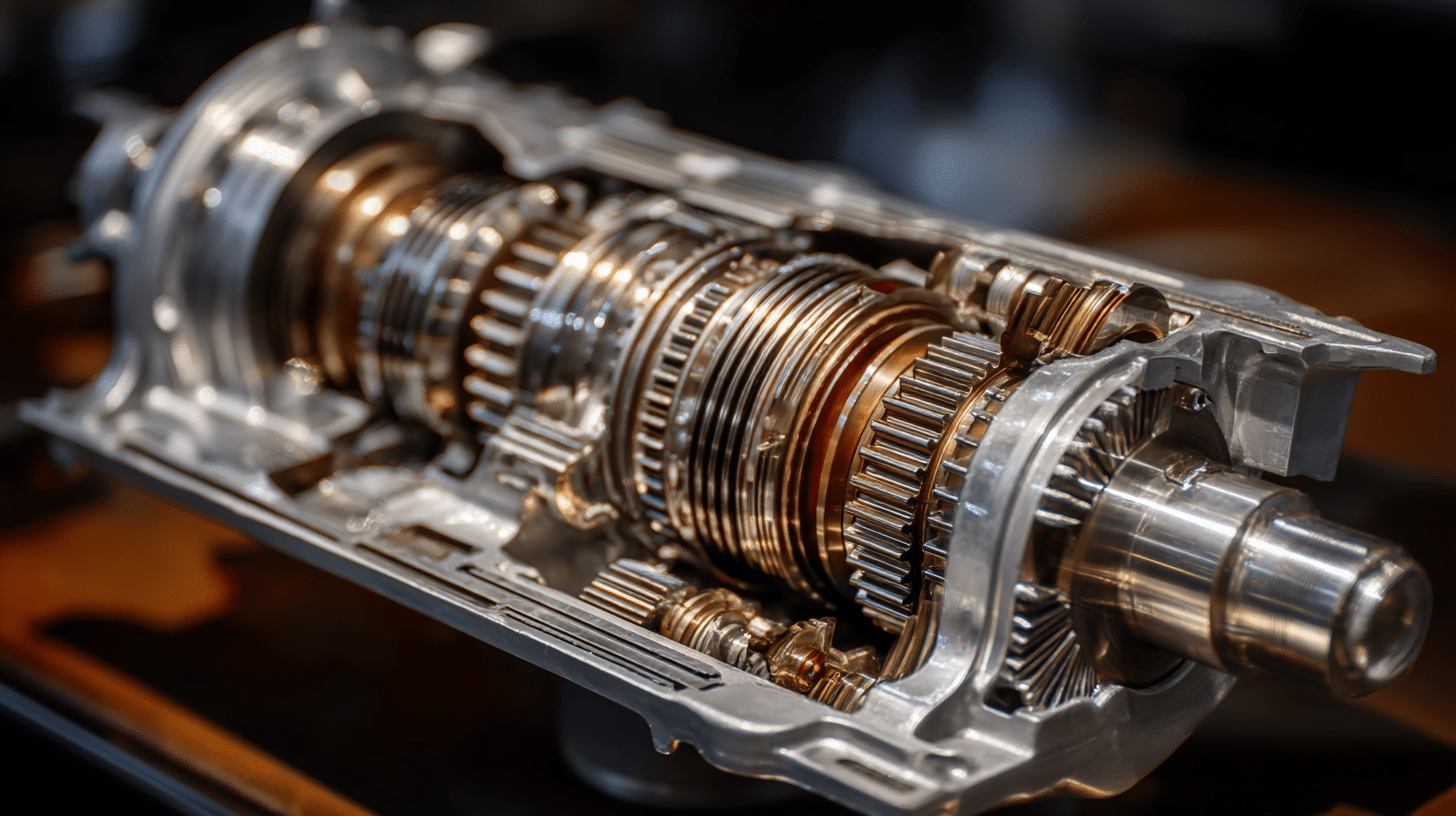
Transmission Problems After an Accident or Impact
Transmission problems are not always caused by age or normal wear. A collision, curb impact, pothole hit, or underbody strike can affect drivetrain components.
A front-end impact may damage cooler lines, mounts, sensors, wiring, axles, or nearby components. An underbody impact may cause leaks or damage to the transmission pan, case, or supporting parts. Frame movement or suspension damage may also affect how the drivetrain sits and operates.
If shifting problems, fluid leaks, or drivetrain issues appear after a collision or hard underbody impact, Relux Collision helps drivers understand whether accident-related damage should be inspected before approving a major transmission replacement.
This matters because replacing the transmission may not solve the full problem if related impact damage is still present.
Is It Worth Replacing a Transmission?
Whether transmission replacement is worth it depends on the vehicle’s value, condition, and your long-term plans.
Start by comparing the repair cost to the vehicle’s market value. If the car is worth $5,000 and the transmission replacement costs $6,000, it may not make financial sense unless the vehicle has sentimental value or is otherwise in excellent condition.
Also consider mileage and overall condition. If the engine, suspension, body, brakes, tires, and interior are in good shape, replacing the transmission may extend the vehicle’s life for several years. If the car has multiple major issues, the money may be better used toward another vehicle.
How long you plan to keep the vehicle also matters. A transmission replacement may make more sense if you plan to drive the car long-term. If you planned to sell or trade it soon, the repair may not return enough value.
How to Get an Accurate Transmission Replacement Estimate
A proper estimate should start with diagnostics. A scan tool can read trouble codes, but codes alone should not be the only basis for replacing a transmission. A shop may also inspect fluid condition, check for leaks, road test the vehicle, review scan data, and inspect related components.
Ask what type of transmission is included in the quote. Is it used, rebuilt, remanufactured, or new? What warranty comes with it? Does the estimate include labor, fluids, programming, mounts, seals, cooler flush, sensors, and related parts?
You should also ask whether the shop identified the root cause. If the transmission failed because of overheating, contaminated fluid, damaged cooler lines, or another issue, that problem must be addressed or the replacement may fail again.
Before committing to a costly transmission replacement after visible body damage, accident history, or impact-related symptoms, consulting with a trusted professional like Relux Collision can help drivers determine whether related collision repairs should be evaluated alongside the drivetrain concern.
For major repairs, a second opinion can be helpful. Transmission replacement is expensive enough that confirming the diagnosis is often worth the extra time.
Common Mistakes to Avoid With Transmission Replacement
One common mistake is replacing the transmission without diagnosing the cause. Some issues come from leaks, sensors, solenoids, mounts, software, or wiring, not the entire transmission.
Another mistake is choosing the cheapest option without understanding the warranty. A used transmission may save money upfront, but if it has high mileage or limited coverage, it may create another expensive problem later.
Drivers should also avoid ignoring related damage or leaks. A replacement transmission can fail if cooler lines, mounts, fluid leaks, or overheating issues are not fixed.
Skipping programming or relearn procedures is another mistake. Modern transmissions may not shift correctly if software setup is not completed after installation.
Final Thoughts: The True Cost Depends on the Whole Repair
So, how much does it cost to replace a transmission? In many cases, the cost can range from a few thousand dollars to $7,000 or more, depending on the vehicle, transmission type, parts, labor, programming, and related repairs.
The most important step is getting a complete diagnosis before approving the work. Ask whether repair, rebuild, or replacement is the best option. Confirm what type of transmission is being installed, what is included in the quote, and what warranty applies.
If transmission symptoms appeared after a collision or underbody impact, make sure related damage is inspected too. A good repair decision should address the whole problem, not just the most obvious symptom.