


























BRUSSELS, 17 September 2026 — EBM Newsdesk Analysis. Amr Shabana
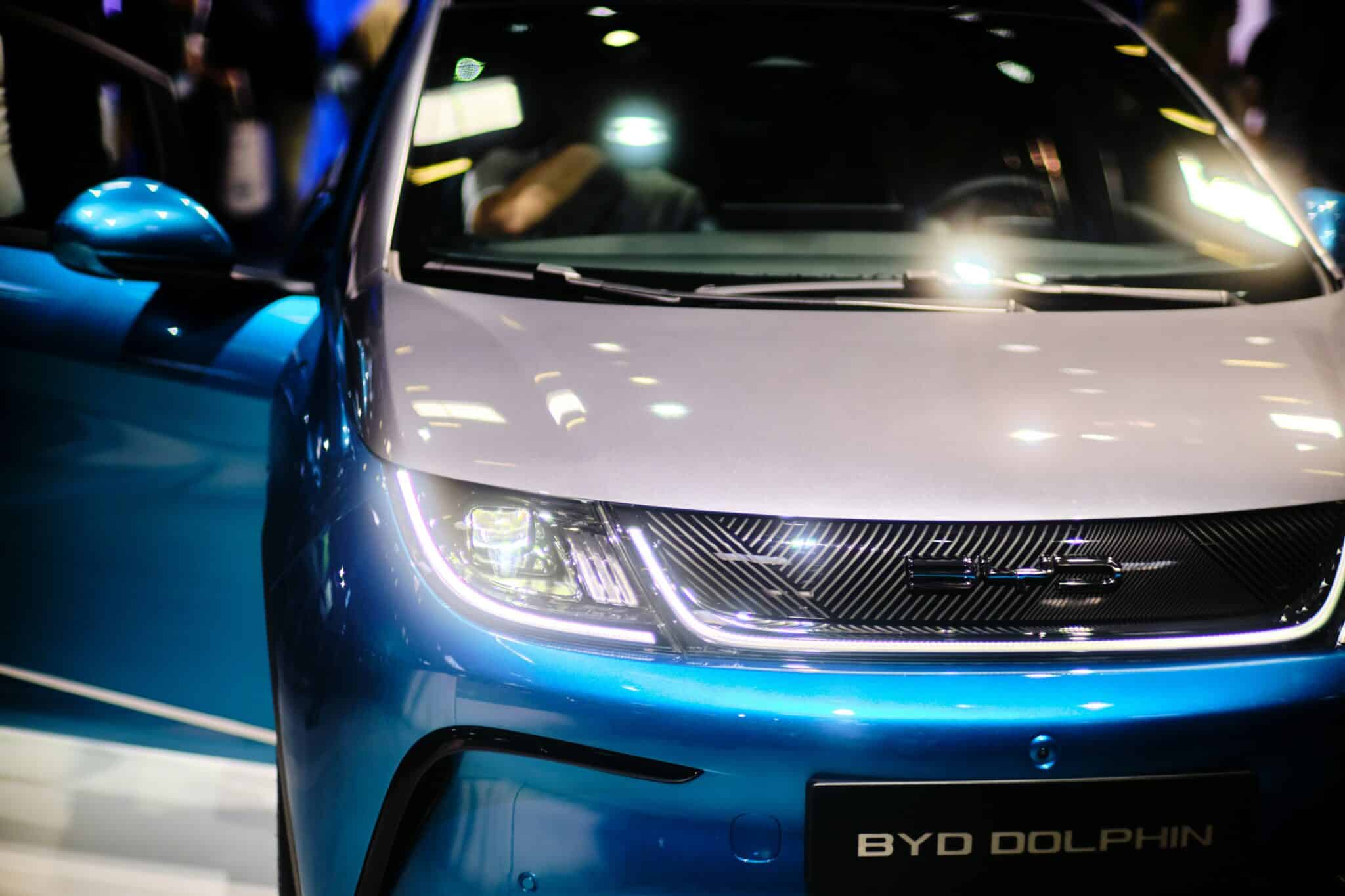
The European Union is asking China to voluntarily restrict exports of hybrid cars to Europe in an attempt to prevent another escalation in the increasingly difficult trade relationship between Brussels and Beijing. The proposal would seek to limit Chinese-made hybrid vehicles to around 15 per cent of the EU market, compared with more than a third currently, according to people familiar with the discussions cited by the Financial Times.
The request marks a significant change in the way Brussels is approaching the surge of Chinese vehicles into Europe. Rather than immediately reaching for another round of tariffs, the EU is seeking a negotiated arrangement under which Chinese manufacturers would voluntarily restrain exports. But the message from Brussels is also clear: if Beijing refuses, the bloc could impose its own restrictions.
Join The European Business Briefing
New subscribers this quarter are entered into a draw to win a Rolex Submariner. Join 40,000+ founders, investors and executives who read EBM every day.
SubscribeThat makes the proposal less a straightforward trade agreement than an attempt to find a middle ground between protecting Europe’s industrial base and avoiding a wider trade war. One EU official told the FT that if China would not limit exports, Europe would do so itself, describing the issue as one of “managed trade”.
The pressure is being driven by the rapid increase in Chinese vehicle imports. Chinese hybrid imports into the EU have risen dramatically since 2024, when Brussels imposed anti-subsidy tariffs of up to 45 per cent on Chinese battery-electric vehicles. Hybrids have faced a much lower flat 10 per cent tariff, creating a potentially important alternative route into the European market. According to the FT, imports of Chinese hybrids increased from about 3,800 vehicles in October 2024 to 50,000 in July 2026.
The shift matters because Europe’s automotive industry is already under considerable pressure. Established manufacturers are dealing with weaker demand, high production costs and the expensive transition towards electrification, while Chinese companies have become increasingly competitive on price and technology. The European Commission’s Joint Research Centre has also identified the growing presence of Chinese vehicles across internal-combustion and hybrid segments, not just battery-electric cars.
For Europe, the argument is therefore increasingly about industrial capacity rather than simply the number of cars being imported. The EU’s wider trade deficit with China reached €360.6 billion in 2025 and widened further during the first half of 2026. European Commission President Ursula von der Leyen has warned that the imbalance has reached a tipping point, while EU Trade Commissioner Maroš Šefčovič is seeking tangible progress in negotiations with Beijing by October.
The uncomfortable question for Brussels is whether voluntary export restraints can actually solve the underlying problem. A similar approach was used with Japan decades ago, when Tokyo agreed to restrain vehicle exports to Europe and Japanese manufacturers subsequently increased investment and production within the European market. The EU is hoping that history can offer a template for managing today’s very different relationship with China.
There is, however, a much bigger strategic issue. Europe wants access to Chinese technology and investment while simultaneously trying to protect its own manufacturing base. China, meanwhile, rejects accusations that its industrial competitiveness is simply the product of excess capacity and subsidies, arguing that European concerns can amount to protectionism.
This is why the hybrid-car dispute matters beyond the automotive industry. The EU is also seeking restraint from China in areas including chemicals and wants Beijing to buy more European goods. At the same time, China is pressing European governments over export controls and sanctions affecting Chinese companies. The negotiations are becoming a test of whether the two sides can rebalance a hugely important commercial relationship without allowing trade disputes to become a broader confrontation.
For Europe’s carmakers, the stakes are enormous. For China, access to the wealthy European consumer market remains strategically valuable. And for Brussels, the challenge is to defend Europe’s industrial base without closing the door on competition. The next few weeks of EU-China negotiations may therefore prove considerably more important than the headline about hybrid cars initially suggests.
EBM has previously examined the changing landscape of European automotive industry and the wider pressures facing Europe’s manufacturing economy. The hybrid-car dispute is becoming another test of how far Europe is prepared to go to protect its industrial future while remaining part of an increasingly competitive global market.