





























London, 7 July 2026 (EBM Newsdesk Analysis) —By Katie Winearls
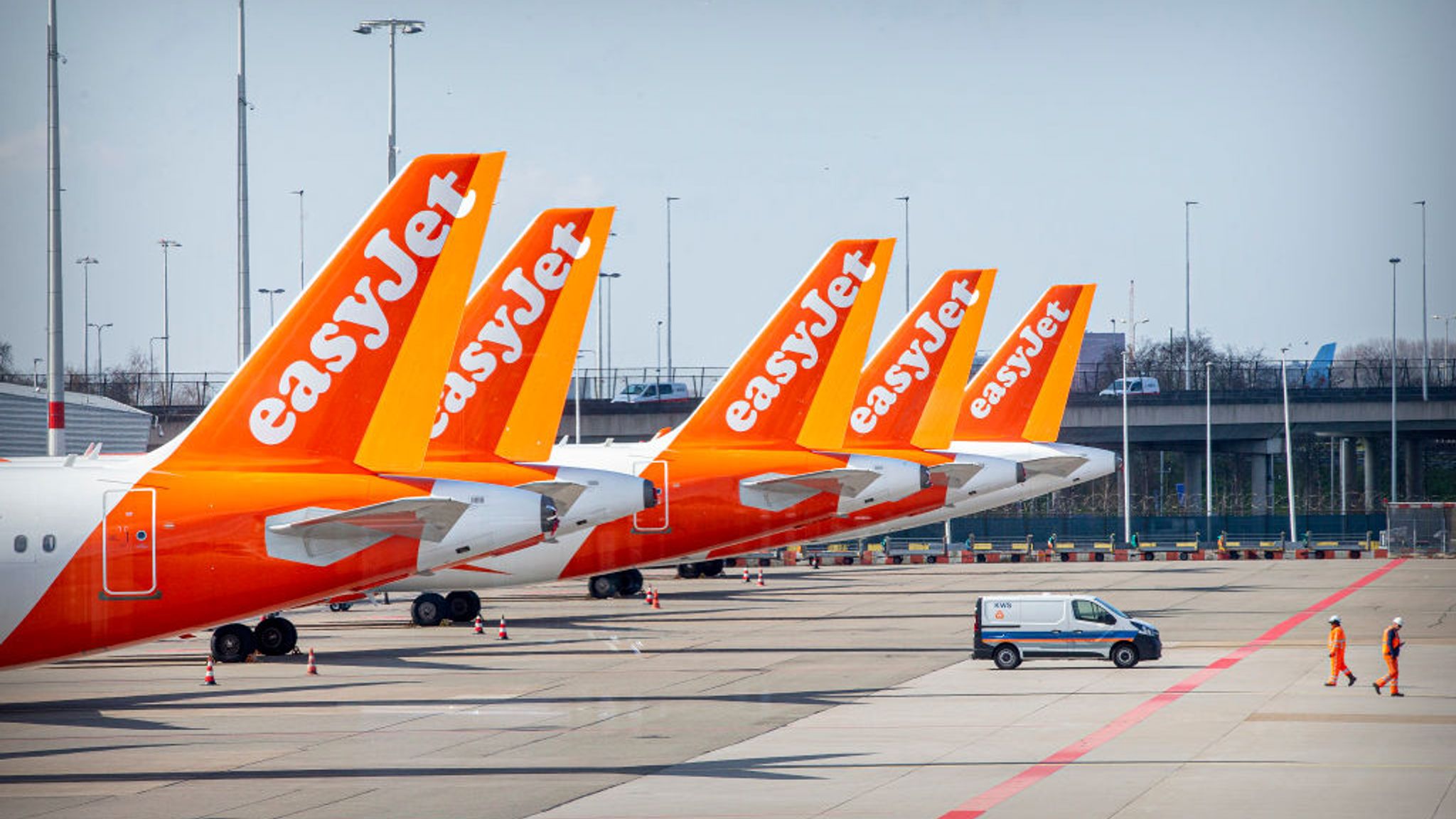
After rejecting four offers as “highly opportunistic,” easyJet’s board has agreed in principle to a £5.2 billion takeover by US investment firm Castlelake at 690p per share, Bloomberg reported. If completed, the deal ends nearly three decades on the London Stock Exchange for Europe’s second-largest budget carrier — and I think it confirms exactly what we argued when Castlelake’s first £3bn approach landed: opportunistic timing was never a reason the bid would fail. It was a description of why it would eventually succeed.
The Price of Holding Out
The board’s resistance earned shareholders real money. Castlelake’s bids climbed from 560p through 625p and 650p before landing at 690p — roughly 24% above where the shares closed on Friday. The stock jumped as much as 11% on Monday, yet notably still trades below the offer price, and even below Castlelake’s previously rejected third and fourth bids. My read: the market is pricing genuine execution risk, not celebrating a done deal.
Join The European Business Briefing
New subscribers this quarter are entered into a draw to win a Rolex Submariner. Join 40,000+ founders, investors and executives who read EBM every day.
SubscribeWhat Castlelake Is Actually Buying
The strategic logic is asset-driven, and it’s sharper than the headline suggests. easyJet holds a portfolio of landing slots at capacity-constrained primary airports — Gatwick above all — that Ryanair’s secondary-airport model deliberately avoids and that no new entrant can replicate at any price. Add an all-Airbus fleet mid-transition to fuel-efficient Neos, an order book whose value has been inflated by multi-year aircraft delivery delays, and easyJet Holidays — where only 6% of seats currently convert to package sales against Jet2’s 65%, per industry analysis — and you have exactly the under-monetised asset base a specialist aviation investor exists to exploit. Some analysts put break-up value above the offer price, which Castlelake insists is not the plan.
The Ownership Gymnastics
The structural obstacle is regulatory. UK and EU aviation law requires airlines to remain majority owned and controlled by regional nationals to retain flying rights — so Castlelake, a US fund, has capped its own stake at 49% and lined up European vehicles to hold the remainder, with reports of Air France-KLM and shipping giant MSC circling as potential co-investors. This is precisely the pattern we tracked in the race for TAP Air Portugal: US and international capital leading European aviation consolidation, with ownership structures engineered around the rules rather than blocked by them.
The Bigger Pattern
I think the real story sits above this single deal. easyJet joins a lengthening list of undervalued European listed assets being taken out by American private capital — the same dynamic pulling US institutional money into European credit and infrastructure and driving consolidation pressure on mid-sized European carriers that lack the scale to defend themselves. London’s public markets, meanwhile, lose another FTSE name — and the precedent from prior private equity takeovers of UK household names is not encouraging: Morrisons and Asda both emerged from their buyouts labouring under debt loads that crippled price competitiveness. Whether easyJet, unlike Ryanair still investing aggressively in owned infrastructure, gets the growth capital Castlelake promises or the leverage playbook shareholders fear is the question the next decade answers.
The Bottom Line
Castlelake has a month to table a fully funded firm offer, and founder Sir Stelios Haji-Ioannou’s family stake — plus regulators on both sides of the Channel — still stand between agreement in principle and completion. But the direction is set: Europe’s most valuable airport slot portfolio outside the flag carriers is heading into private American hands, at a price the board spent months insisting undervalued it. The board was right. It sold anyway.
Related Reads:
- easyJet Takeover Bid: Castlelake’s First Approach Explained
- The Race for TAP Air Portugal
- European Airline Collapses After 33 Years