


























Athens, 7 July 2026 (EBM Newsdesk Analysis) —By Anthony Gill
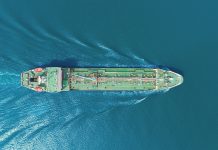
Greek shipping companies have earned almost $4 billion carrying Russian oil in the three years since the price cap regime began, according to the Financial Times. I think the number itself is less remarkable than what it exposes: the single largest commercial beneficiary of the West’s Russian oil sanctions architecture is a fleet operating inside the EU itself, entirely within the rules Brussels wrote.
How the Money Actually Gets Made
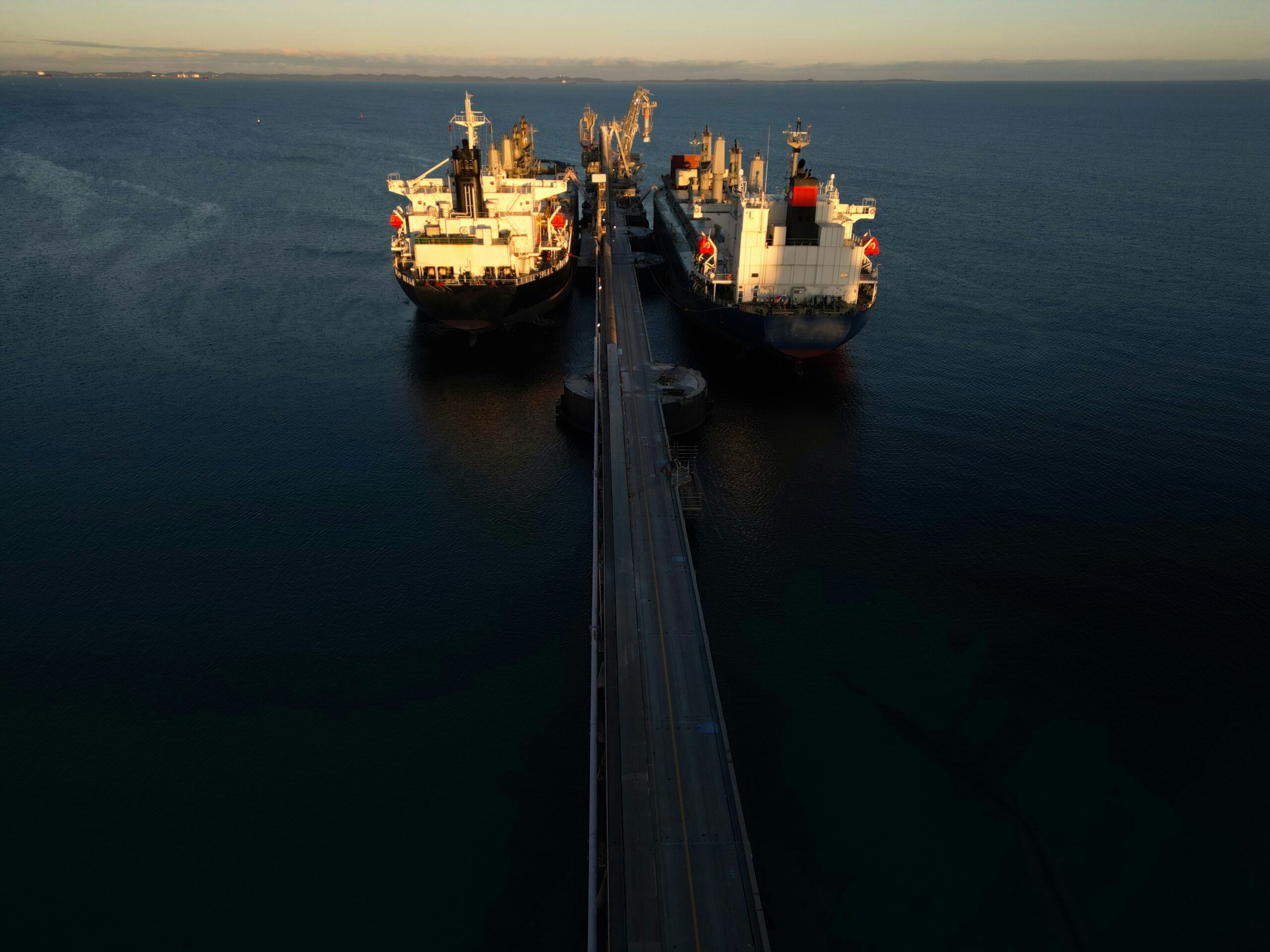
The mechanism is straightforward and entirely legal. The G7 price cap, introduced in December 2022, permits Western shipowners, insurers and financiers to service Russian crude cargoes provided the oil is sold below the cap threshold. Greek operators — who control the largest tanker fleet on earth — moved fast into exactly that lane. Vortexa shipping data showed Greek-operated Aframax volumes carrying Russian crude hitting twelve-month highs whenever falling crude prices brought Russian barrels back under the cap, and S&P Global Market Intelligence estimated Greek owners were moving 20% or more of all Russian crude flows at the trade’s peak.
Join The European Business Briefing
New subscribers this quarter are entered into a draw to win a Rolex Submariner. Join 40,000+ founders, investors and executives who read EBM every day.
SubscribeThe economics were exceptional because sanctions themselves created the scarcity. Once Western majors exited Russian routes, freight rates on price-cap-compliant cargoes carried a substantial risk premium — and tanker values soared, pushing several Greek shipping fortunes to record highs. Sanctions designed to squeeze Moscow’s revenues simultaneously handed the compliant carriers a pricing windfall.
The Uncomfortable Structural Truth
My read is that this is the sanctions regime working exactly as designed — and that being the problem. The price cap was never a ban; it was a mechanism to keep Russian oil flowing to world markets while capping the Kremlin’s margin. Somebody had to carry those barrels, and the policy explicitly preferred it be Western-flagged, Western-insured tonnage rather than the shadow fleet of 600-700 uninsured vessels that Brussels has spent 21 sanctions packages trying to contain. Greek owners didn’t exploit a loophole. They occupied the lane the policy deliberately left open.
The tension is that this puts EU-domiciled commercial interests in direct opposition to EU foreign policy goals. Athens has consistently resisted tighter shipping restrictions in successive sanctions rounds — unsurprising when the national champion industry is booking billions from the trade. It’s the same pattern EBM has tracked repeatedly: sanctions that miss their target because enforcement collides with member-state commercial interests, while Russia’s energy trade simply reorients toward Asia at volumes sanctions barely dent.
Who Actually Paid the Price
Three Greek shipping companies did stop carrying Russian oil after Ukraine’s anti-corruption agency publicly listed them as “international war sponsors” — evidence that reputational pressure moved behaviour where regulation didn’t. Others simply sold their older tankers on at extraordinary prices into the shadow fleet, monetising the exit as profitably as the trade itself. Meanwhile the Iran conflict’s oil-price spike this year handed Russia — and its carriers — yet another demand windfall, as Russian crude became a substitute for disrupted Gulf barrels.
The Bottom Line
The $4 billion isn’t a scandal in the legal sense — it’s the invoice for a policy compromise the West made knowingly in 2022: keep Russian oil moving, cap the price, and accept that someone in the middle collects the freight. Greek shipowners simply understood faster than anyone that the price cap wasn’t a wall. It was a toll road — and they owned the trucks. Until Brussels is willing to confront the commercial interests of its own largest maritime industry, each new sanctions package will keep tightening everywhere except the one lane that matters most.
Related Reads:
- EU’s 21st Russia Sanctions Package Explained
- Why Sanctions Against Russia Keep Missing
- The Business of War: Who Profits From the Iran Conflict