





























Arlington, Virginia, 12 September 2026 — EBM Weekend Read — By Brad Adams
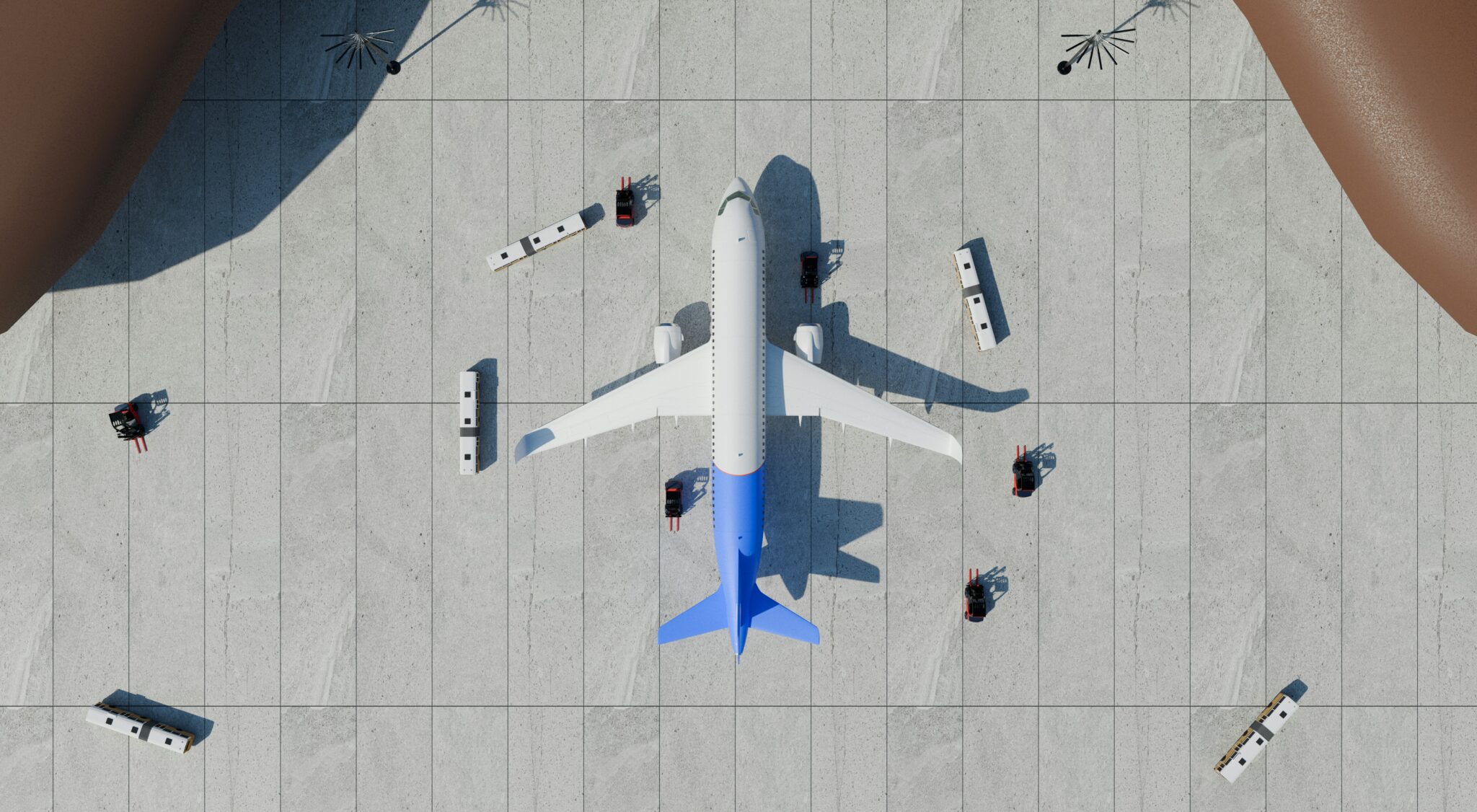
Boeing is one of only two companies on Earth that can build a modern wide-body passenger jet at scale. That duopoly with Airbus is precisely why its crisis has mattered so much: airlines, governments and 182,000 employees have had nowhere else to go while America’s most important manufacturer spent six years proving it could no longer reliably build the thing it exists to build. Kelly Ortberg, a 64-year-old aerospace veteran who came out of retirement in August 2024, has spent two years trying to prove that’s fixable. The jury is still out, but for the first time since 2018, the numbers are moving in his direction.
How Big This Actually Is
Join The European Business Briefing
New subscribers this quarter are entered into a draw to win a Rolex Submariner. Join 40,000+ founders, investors and executives who read EBM every day.
SubscribeWhat Actually Went Wrong
The rot traces back further than most people realise. In 2005, Boeing spun off much of its fuselage manufacturing into an independent supplier, Spirit AeroSystems, to cut costs and offload capital-intensive work — a decision that put the physical construction of the 737’s body outside Boeing’s direct quality control. That structural choice sat quietly for over a decade until it collided with commercial pressure: racing to compete with the Airbus A320neo, Boeing rushed the 737 MAX to market with a new automated flight-control system, MCAS, and its own test pilots withheld information about that system from the FAA. Two MAX aircraft crashed — Lion Air in October 2018 and Ethiopian Airlines in March 2019 — killing 346 people combined. Boeing pled guilty in 2021 to criminal fraud conspiracy and agreed to a $2.51bn settlement, with an independent monitor overseeing safety reforms for three years.
Those reforms weren’t enough. Two days before that probationary period ended, on 5 January 2024, a door plug blew out of an Alaska Airlines 737 MAX 9 mid-flight at 16,000 feet, tearing a hole in the fuselage. Investigators found the plane had left Boeing’s factory missing four key bolts. No one died, but it reopened the fraud case, and this time whistleblowers came forward publicly. Two of them died within months of each other in 2024 — John Barnett, a former Boeing quality manager, was found dead in Charleston in what was ruled a suicide while giving a deposition against the company, and Josh Dean, a Spirit AeroSystems quality auditor, died weeks later from a sudden illness. Their deaths, however unconnected in cause, became a symbol of how personally costly speaking up at Boeing had become. By May 2025, Boeing reached a new $1.1bn non-prosecution agreement with the DOJ — a resolution victims’ families publicly called a “slap on the wrist” for what one federal judge described as “the deadliest corporate crime in U.S. history.”
What Ortberg Has Actually Changed
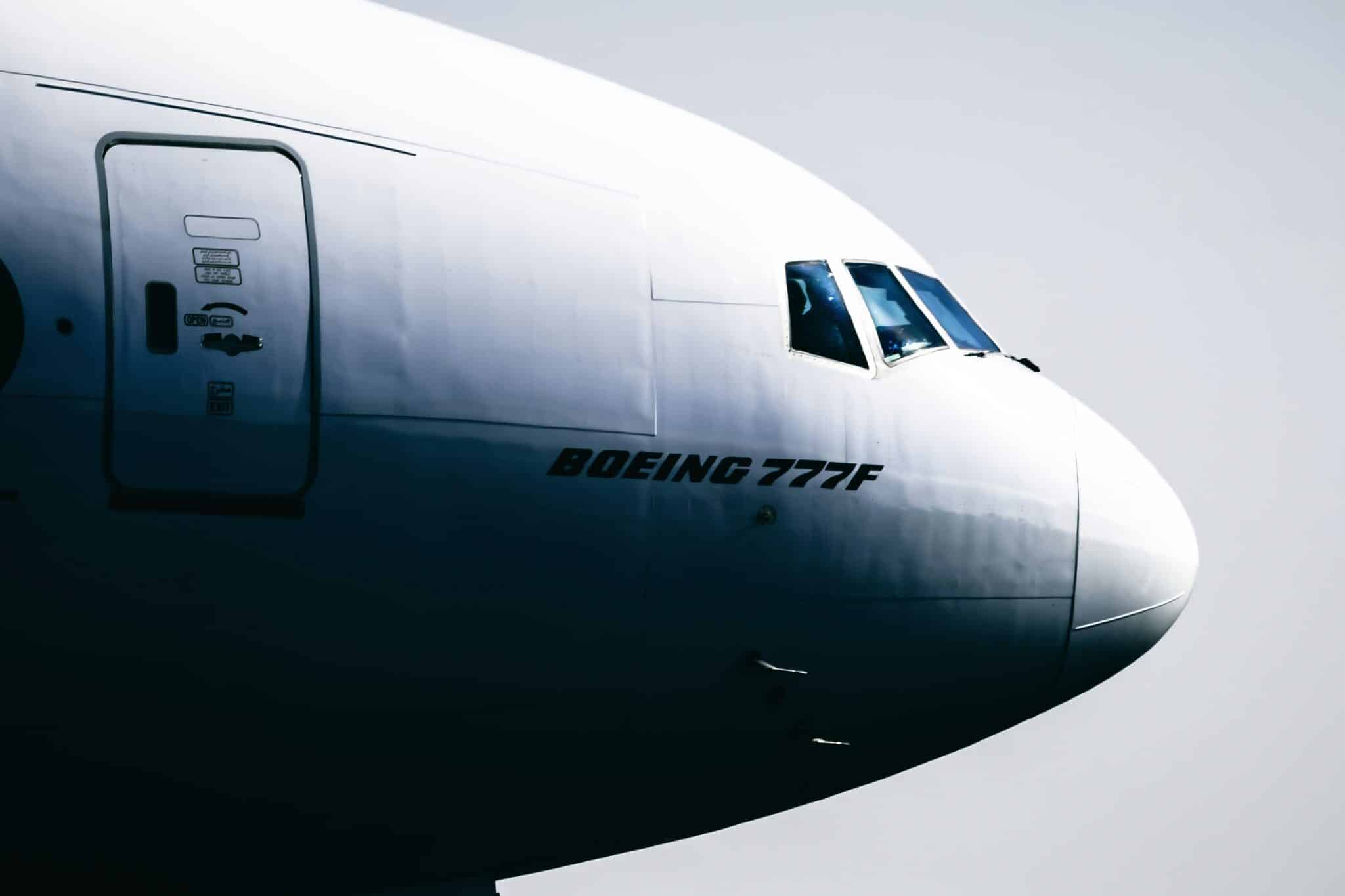
The most structurally significant move reversed the 2005 decision entirely: in December 2025, Boeing completed an $8.4bn re-acquisition of Spirit AeroSystems, bringing 737 fuselage manufacturing back under its own roof after two decades outside it. It hasn’t been clean — Boeing has since found roughly $1.9bn in liabilities at Spirit exceeding identifiable assets, and forward losses on 737 and 787 production contracts inherited in the deal. Ortberg also had to survive a 53-day machinist strike in late 2024, when 33,000 IAM union workers walked out over pay and a frozen pension, costing Boeing an estimated $5-9.7bn before ending with a 38% wage increase over four years.
The Numbers So Far
The financial picture has genuinely turned. Boeing posted $89.5bn in revenue for 2025, up 34% year-on-year, and returned to full-year profitability for the first time since 2018 with net earnings of $2.24bn — though a $9.6bn one-off gain from selling its Digital Aviation Solutions business did most of the heavy lifting there. Operating cash flow swung from an outflow of $12.1bn in 2024 to a positive $1.07bn in 2025. The 737 line has stabilised at 38 aircraft a month, with FAA approval to move to 42, though the 777X and MAX 10 certifications have both slipped into 2026. The stock has responded: Boeing’s market capitalisation sat around $167-174bn through mid-2026, roughly double where it traded during the worst of the 2024 crisis, though total debt still exceeds $50bn.
The Bottom Line: Ortberg’s turnaround is real, but it’s a financial recovery running well ahead of a cultural one, and those are not the same achievement. The kind of dual commercial-and-defence exposure that’s currently lifting Airbus is the exact model Boeing is trying to claw back toward — but Airbus never had to prove its safety culture to a federal judge first. Reversing the Spirit spinoff, adding stop-cord authority, and rebuilding cash flow are the right structural moves, and the numbers prove Boeing can still build aeroplanes at scale when discipline holds. What they don’t yet prove is that discipline holds when nobody’s watching — which is precisely the condition that produced two crashes, a door plug, and two dead whistleblowers in the first place. Ortberg has bought Boeing time. He hasn’t yet bought it certainty.