






























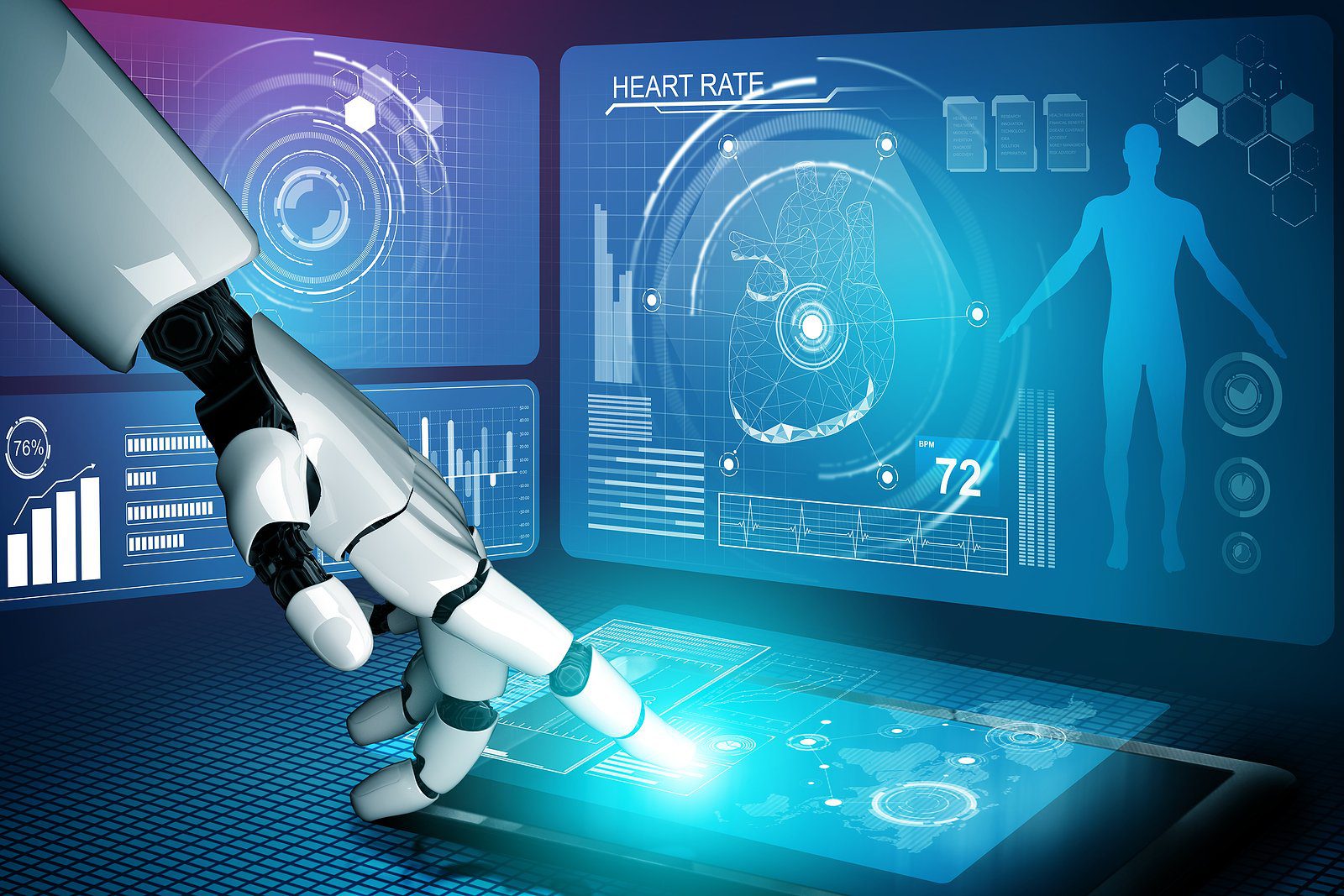
The world of healthcare is in the middle of a period of remarkable change, driven largely by the advent of new technology. In the coming year, we’re likely to see certain innovations play an increasingly central role in the way that healthcare is allocated and administered. But exactly which digital health trends are worth paying attention to?
Artificial Intelligence in Diagnostics and Treatment
The hype around AI has never been more fervent. But the promises of AI in the world of medicine are particularly considerable. An AI might, for example, be used to diagnose certain kinds of illness more effectively, and persuade human medical professionals to take a closer look at certain patients. An algorithm might be trained on hundreds of thousands of cardiographs, or MRI scans, and learn to effectively determine which ones indicate an underlying disease, and which ones do not.
Of course, it’s still possible that an AI might hallucinate, or otherwise misdiagnose patients. This might lead to legal risk, in the form of a medical negligence case. Thus, AI can’t yet be wholly relied on. Nevertheless, it might provide useful guidance to human clinicians.
Join The European Business Briefing
New subscribers this quarter are entered into a draw to win a Rolex Submariner. Join 40,000+ founders, investors and executives who read EBM every day.
SubscribeExpansion of Telemedicine Services
Technology has made it possible to communicate effectively over distance. Video chat was made mainstream by the COVID-19 pandemic, but the technology remains an excellent way to consult with patients remotely. This is more cost-effective, and time-efficient, for healthcare providers like the NHS. It takes less time to talk to a patient via videoconferencing, and it eases demand on GP practices, hospitals, and other, more specialised facilities, too.
Integration of Wearable Health Devices
Wearable technologies are able to log a patient’s heart rate and other vital signs in real time. This might allow for a more accurate picture of a patient’s overall condition, and allow earlier intervention when warning signs begin to manifest. In extreme cases, a wearable device might even call for an ambulance before the patient notices their symptoms.
Digital Mental Health Solutions
Increasingly, patients are being empowered to care for their mental health through applications. This might mean access to things like counselling for specific problems or guided meditation sessions, which can proactively help to bolster mental resilience.
Enhanced Health Data Security Measures
The digitisation of patient health records has brought a number of advantages for organisations providing healthcare. In short, it’s allowed doctors and other medical professionals quick access to accurate patient data. But technology is also helping to safeguard patient information, especially in an era where that information is frequently being transmitted remotely.
The right security measures, including robust encryption and cybersecurity training for healthcare employees, will help healthcare providers to not only provide a better quality of care, but to stay on the right side of the law.