






























New York, 13 September 2026 — EBM Newsdesk Analysis — By Anthony GIll
In February 2026, a single Pokémon card sold for $16,492,000. The buyer was AJ Scaramucci, son of financier Anthony Scaramucci. The seller was Logan Paul, who had bought the card — a PSA 10 “Pikachu Illustrator,” one of only 39 ever distributed as a 1998 Japanese illustration-contest prize — for roughly $5.3 million in 2021. That’s not just a record for Pokémon. It’s now the most expensive trading card of any kind ever sold at auction, confirmed by Guinness World Records, and it tells you something real is happening well beyond one card.
Where the Trend Actually Came From
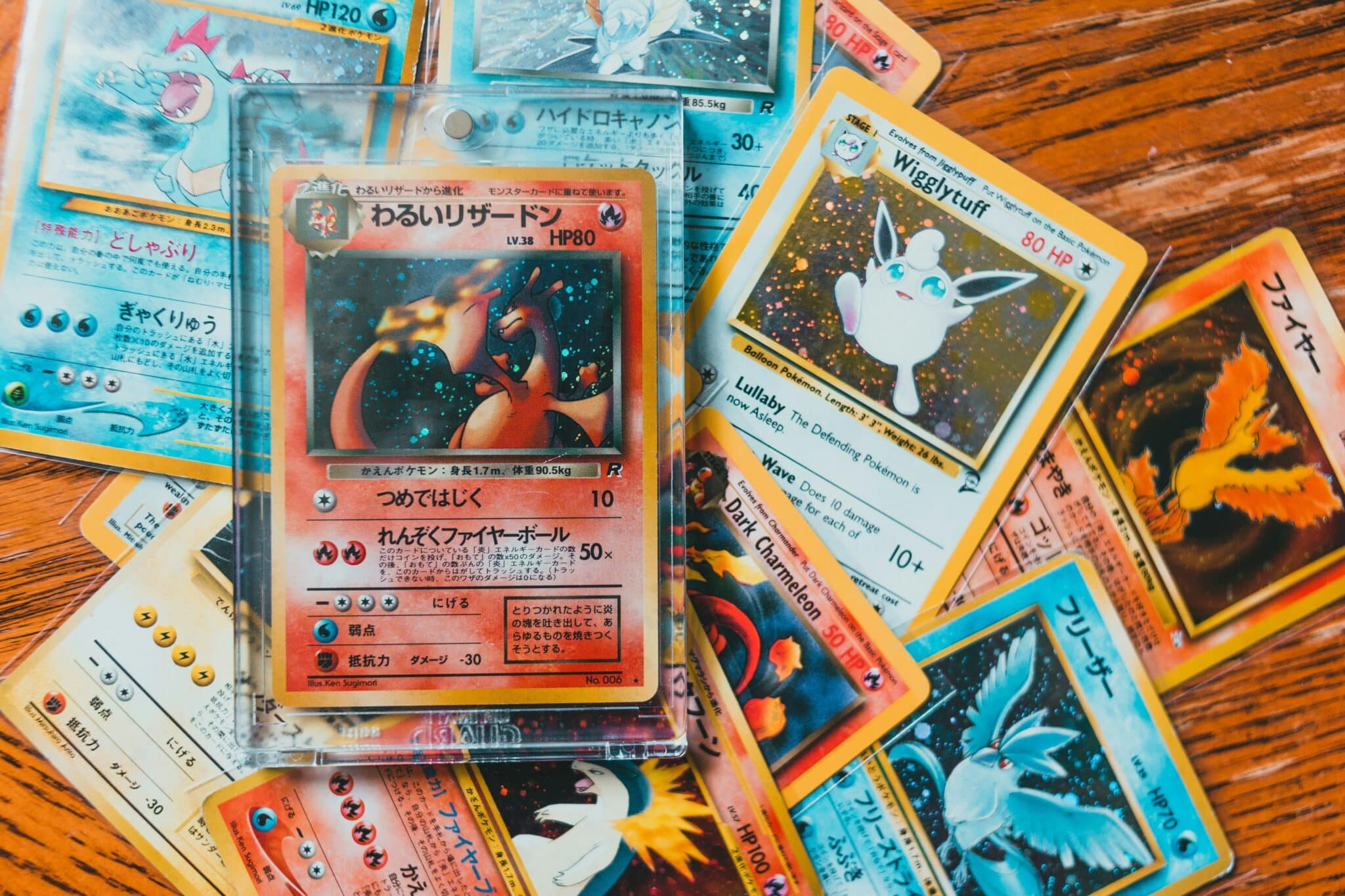
The mechanics are old. Richard Garfield combined baseball-card collecting with strategy-game design when he created Magic: The Gathering in 1993, and Pokémon borrowed the same formula in 1996: randomised packs, tiered rarity, a built-in reason to keep buying. What’s changed isn’t the format — it’s the money now sitting on top of it. Spending on non-sports trading cards jumped 350% between 2020 and 2025, according to Circana, fuelled initially by pandemic stimulus cash chasing “alternative assets” while people were stuck at home reopening childhood collections. Grading — the process of having a third party like PSA certify a card’s condition on a 1-to-10 scale — turned that nostalgia into something investable. PSA graded nearly 20 million items in 2025 alone; Pokémon accounted for 97 of the top 100 most-submitted cards in the first half of that year.
Join The European Business Briefing
New subscribers this quarter are entered into a draw to win a Rolex Submariner. Join 40,000+ founders, investors and executives who read EBM every day.
SubscribeWho’s Actually Buying
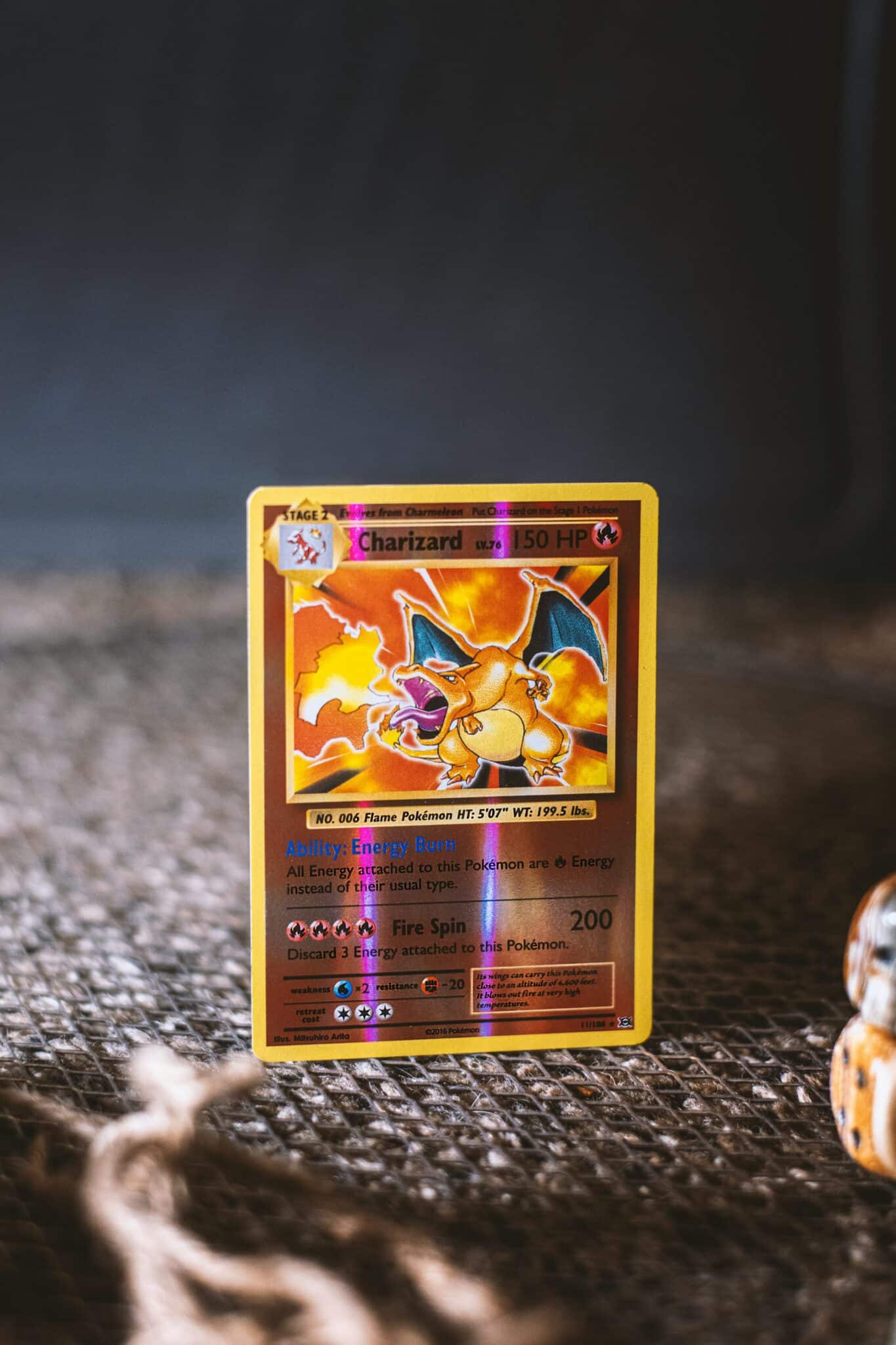
Three distinct buyers are driving this, and they’re not the same person. At the very top, wealthy collectors and finance-adjacent buyers like Scaramucci are treating six- and seven-figure cards the way they’d treat a rare watch or a piece of art — a scarce, storable asset with bragging rights attached. In the middle, celebrities including Post Malone, Steve Aoki and Kevin O’Leary have made high-end collecting culturally normal rather than childish, which matters more than it sounds: it’s the reason a Gen Z investor now sees a graded Charizard as a legitimate portfolio line next to Bitcoin, not a joke. And at the retail end, ordinary collectors are chasing the same high on Whatnot and eBay Live — livestreamed card-breaking and blind-box auctions that one collector told trade outlet Kanto Post felt closer to gambling than collecting, having spent $15,000 in ten days chasing pulls. The trading card market’s tokenised segment alone saw $124.5 million in transaction volume in a single month last year, evidence that speculative capital, not just fandom, is now structurally inside the hobby.
Where the Cards Actually Change Hands
The Money Has Attracted the Wrong Kind of Attention Too

My Read: Comparisons to other alternative assets are fair as far as they go, but Pokémon cards resist the label in one important way: durable goods like watches or wine, however illiquid, have their own baseline utility even if the collector market cools. A cardboard rectangle has none. What actually holds the Pikachu Illustrator at $16 million is authenticated scarcity plus a large enough audience that believes the story matters, and Rolex’s own foundation-owned opacity shows how far scarcity storytelling alone can carry a price once a brand controls both supply and myth. Pokémon has that same lever right now, and it now has something Rolex never really needed to worry about at trade-show level: a theft problem that scales with the price of the cards themselves. Whether the market still has this lever in five years depends less on nostalgia holding up than on whether the security keeping these cards safe can keep pace with what they’re now worth.