































Europe has an €18 trillion economy, and yet its markets face persistent cost pressures that quietly erode unhedged cash and standard fixed income assets. Building a resilient strategy across the continent means deploying specific assets designed to retain purchasing power when consumer prices rise.
Retail investment funds regularly reallocate capital across European borders to counter this trend. Protecting long-term wealth requires examining eleven distinct instruments that institutional and sophisticated private allocators trust.
Join The European Business Briefing
New subscribers this quarter are entered into a draw to win a Rolex Submariner. Join 40,000+ founders, investors and executives who read EBM every day.
SubscribePhysical Gold
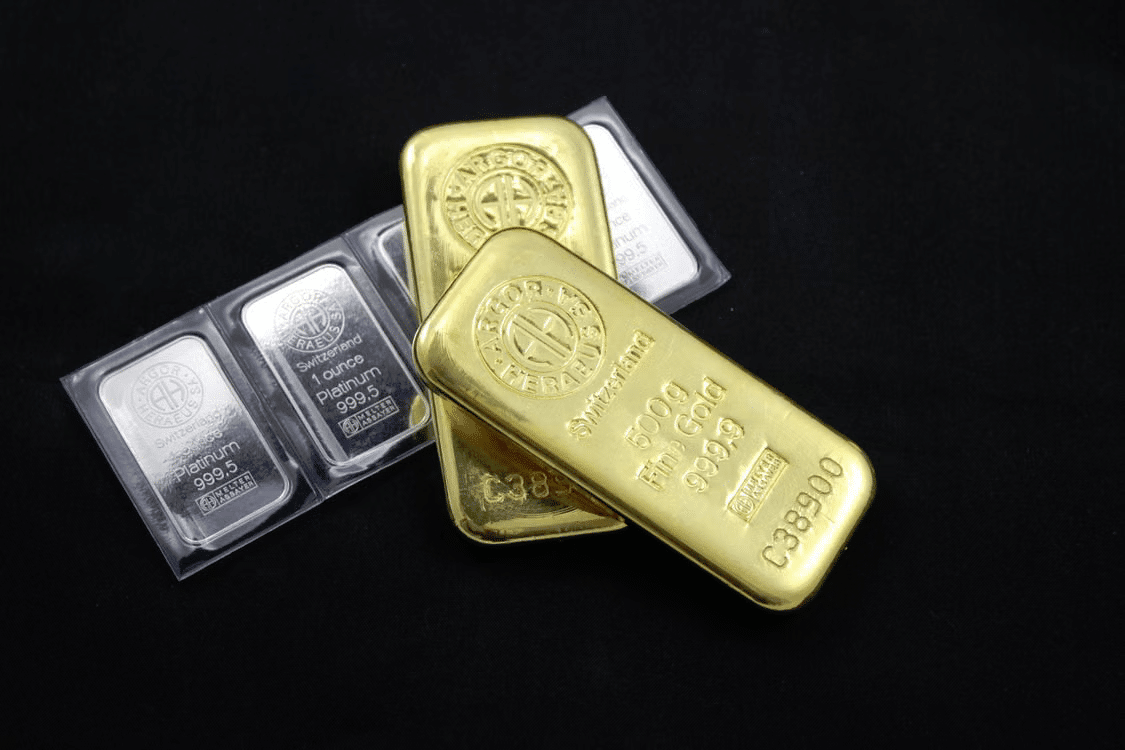
Physical gold remains the ultimate baseline asset for preserving value during currency debasement and geopolitical stress. Central bank balance sheet expansions keep physical demand high.
Small, recurring acquisitions help investors smooth out entry pricing without timing the broader market. For individuals building a position over time, getting bullion delivered every month secures tangible ounces directly. It’s a convenient reality of the modern market, and one worth exploring.
Silver
Silver serves a dual purpose as both a precious monetary metal and an essential industrial input. Green technology manufacturing and photovoltaic cell production continue to drive heavy structural consumption. Industrial demand from these sectors creates supply deficits that support long-term valuations.
Broad Commodities
Raw materials provide direct exposure to physical supply chain bottlenecks and rising energy extraction costs. Agricultural goods, industrial metals, and energy futures move independently of traditional equity and bond correlations. Capturing these physical price swings offsets the margin compression standard consumer goods companies feel.
Inflation-Linked Sovereign Bonds
Government debt indexed to harmonized consumer price indices provides a direct mathematical hedge against price drift. Institutional mandates heavily weight these instruments to ensure principal values adjust upward alongside official inflation prints. Major debt managers offer dedicated exposure through vehicles like the BlackRock iShares Euro Government Inflation-Linked Bond Index Fund.
- Sovereign instruments adjust principal values upward alongside rising price indices
- Yields provide a baseline real return above benchmark inflation metrics
- Liquidity profiles remain deep across major continental secondary markets
Real Assets
Tangible real estate holdings benefit from replacement cost inflation and mandatory lease escalation clauses. Commercial properties in prime European logistics hubs maintain pricing power through economic cycles. Physical property scarcity shields capital from the purchasing power losses affecting paper assets.
Infrastructure
Core infrastructure projects generate predictable cash flows that are explicitly tied to inflation indices. Toll roads, utility networks, and renewable energy grids operate under long-term regulatory concessions. As highlighted by BNY, these cash flows provide reliable defensive yields.
Farmland
Europe has about 156 million hectares of productive agricultural land, and it acts as a permanent store of value with inelastic global demand. Food production costs and crop values rise naturally alongside broader consumer price indexes. Owning productive soil delivers an absolute return rooted in essential human necessity.
Defensive Equities
Companies with dominant market positions can pass input cost increases directly to end consumers. Selecting businesses with wide economic moats protects equity portfolios from severe margin compression. These firms maintain stable operational profitability even when macroeconomic input costs climb.
Dividend Growers
Continental enterprises with decades of consecutive payout increases historically outperform broader equity benchmarks. Consistent dividend growth provides a tangible cash return that outpaces modest inflation prints. Reinvesting these distributions compounds purchasing power over multi-year holding periods.
Cash Like Treasury Bills
Short-term government bills offer high nominal yields while investors wait for clear entry points in volatile markets. These instruments eliminate duration risk while providing a safe harbor for liquid capital. Holding short-duration paper keeps dry powder ready without surrendering to negative real deposit rates.
Selective Crypto
Digital assets with hard programmatic supply caps offer an alternative, non-correlated hedge against monetary expansion. Institutional adoption across European trading venues has matured asset custody and liquidity frameworks. Limited token issuance protects holders from the debasement risks plaguing fiat currencies.
Crypto has also become more widely accepted as a payment option. That gives it greater appeal, because utility underpins investment value.
Hedging Currency Risk Through Real Estate Syndication
European private investors looking beyond standard public equities frequently allocate capital into specialized property syndicates to outpace baseline consumer price inflation. Commercial real estate assets maintain intrinsic utility because lease agreements naturally incorporate periodic indexation clauses tied directly to continental inflation benchmarks.
Syndicate structures allow private participants to pool resources into prime logistics parks or urban mixed-use developments without managing physical property operations directly. These tangible assets protect purchasing power because replacement costs for commercial structures scale upward alongside raw material and labor expenses. Innovations like this are increasingly important as European investors aim to broaden their horizons and avoid overcommitting to digital assets, despite the appeal.
Structuring European Wealth Preservation
Balancing liquid yield instruments with hard physical assets creates a durable foundation for long-term capital preservation. Diversification across these specific categories insulates portfolios against localized economic shocks and currency fluctuations.
Reviewing historical allocations alongside recent market shifts provides valuable perspective for ongoing adjustments. For more on Europe’s markets and economy, check out our other coverage.






