































Basel, 15 August 2026 — EBM Weekend Read — By Nick Staunton
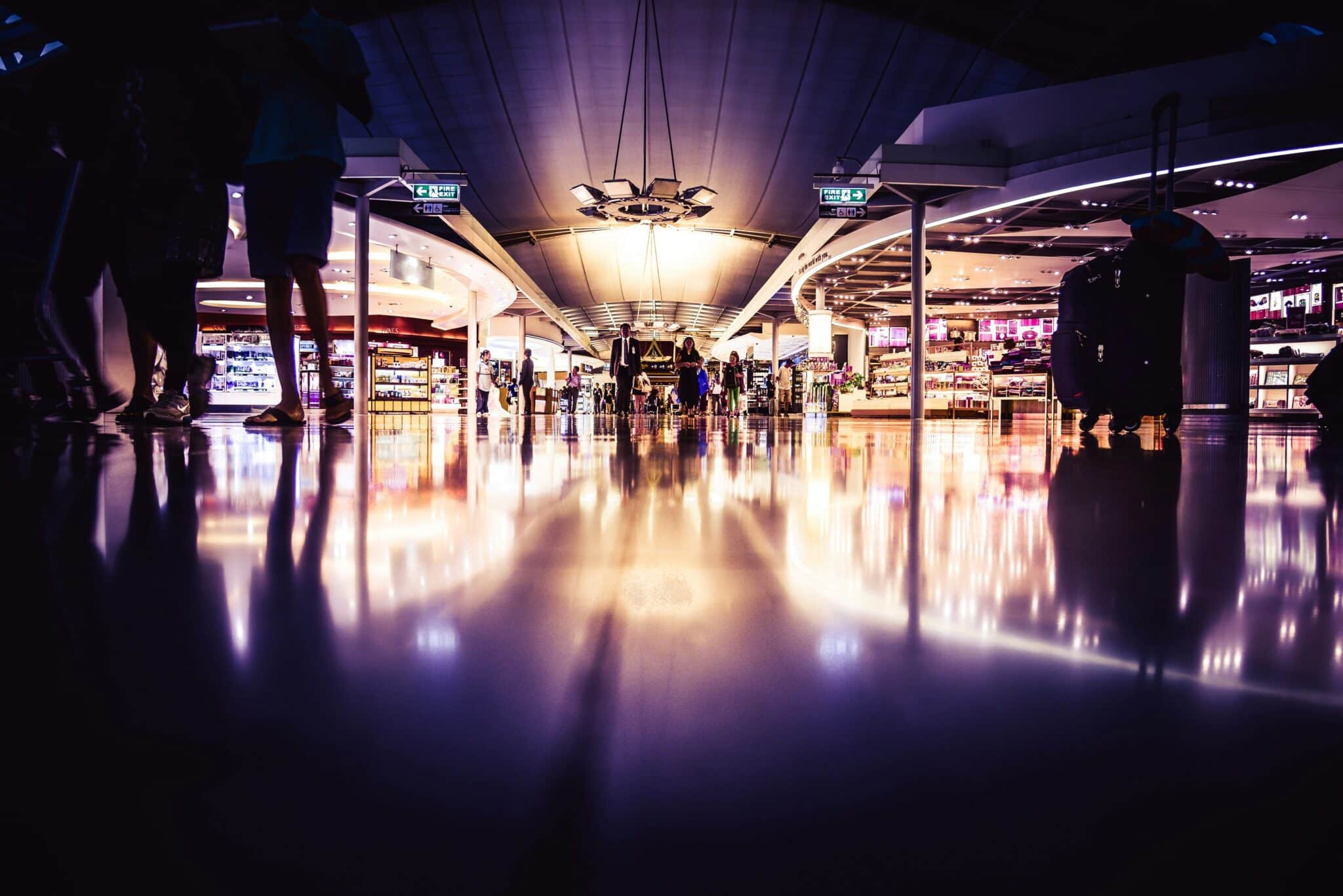
You have walked through the shop. Everyone has. The winding route past the whisky and the perfume that you cannot avoid, because there is no other way to the gate.
That layout is not a design choice. It is a contractual obligation, and the company that negotiated it is Avolta — a Swiss group almost nobody outside the industry can name, running more than 2,300 stores and turning over around 13 billion Euro.
Join The European Business Briefing
New subscribers this quarter are entered into a draw to win a Rolex Submariner. Join 40,000+ founders, investors and executives who read EBM every day.
SubscribeThe Auction You Never See
Start with the thing most travellers get wrong. The airport does not sell you the gin.
Airports auction the right to sell to you. A concession contract gives one operator exclusive rights to a defined retail category, for a defined term, in exchange for a share of turnover — usually with a guaranteed minimum whether the passengers arrive or not.
That single arrangement explains almost everything about how a terminal looks. The walkthrough store exists because the concession is priced on how many passengers pass the shelves. Departure lounges have too few seats and too many shops because seating generates nothing and floorspace generates rent. Gates are announced late so that people stay in the retail area rather than sitting at the gate.
None of that is accidental and none of it is really about you. It is a landlord maximising yield per square metre, and the tenant has agreed to a minimum payment that makes footfall the only variable that matters.
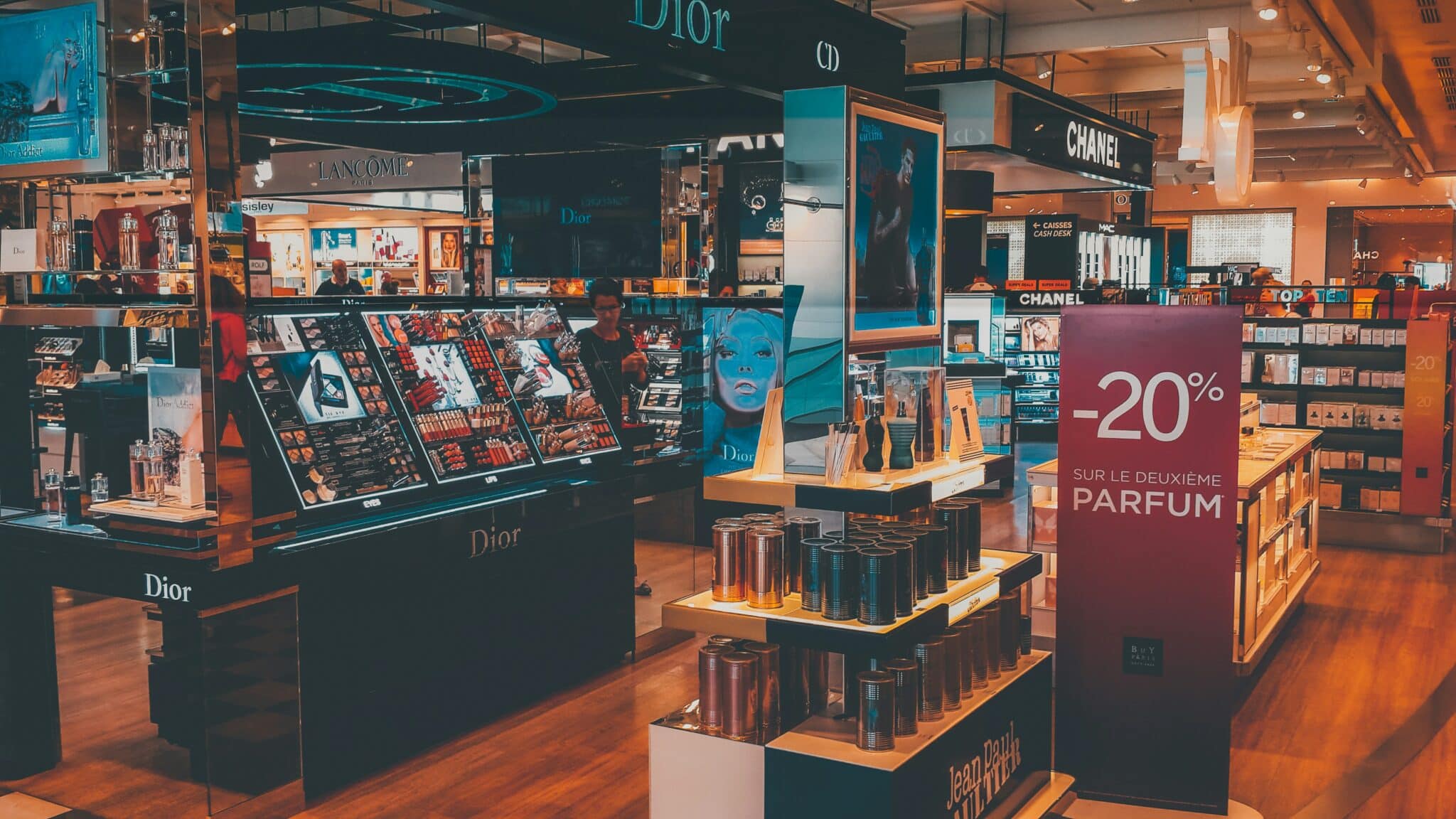
Zurich shows the scale. Avolta operates 45 stores there — all 17 of the airport’s duty-free concepts, plus convenience formats and 18 food and beverage outlets, across more than 10,000 square metres, contracted to 2035. That is not a retailer with shops in an airport. That is a company that has bought the commercial interior of the building for a decade.
How One Company Ended Up With Most of It
Dufry was a Basel company with a niche in emerging-market airports. Between 2008 and 2018 it bought its way to dominance, taking Hudson in North America and World Duty Free from Italy’s Benetton family.
Then in February 2023 it merged with Autogrill, the Italian motorway and airport catering group, and rebranded as Avolta the following year. The combination matters because it took the company across the line from retail into food and beverage, meaning a single operator can now bid for everything commercial in a terminal at once.
That is the competitive advantage. An airport running a tender would rather negotiate one master concession than fifteen separate ones, and only a handful of groups are large enough to bid that way. Avolta’s entry into Latvia this year was exactly that: a twelve-year master concession at Riga covering eight retail stores and 22 food outlets in one contract.
Consolidation of this kind is familiar across European consumer industries. Luxottica did it in eyewear, owning the frames, the brands and the shops that sell them. The mechanism is the same — become the only party capable of supplying the whole thing, then price accordingly.
Why the Margins Are Worse Than You’d Think
Here is the part that surprises people who assume duty-free is a licence to print money.
Concession fees are the largest single cost in the business, and analysts consistently flag them as the pressure point on margins. The airport takes its share first, before the operator has paid for staff, stock or fit-out. A prime European hub can command a substantial share of turnover, and the guaranteed minimum means the operator carries the downside if traffic disappoints.
So Avolta’s economics look less like a retailer’s and more like ASO’s Tour de France inverted. ASO owns the asset and earns a 35% net margin because nobody can take it away. Avolta rents its asset in ten-year blocks and must win it again at the end, against competitors who have watched exactly how profitable the last term was.
Everything else follows from that insecurity. The relentless bidding for new airports. The push into food and beverage. The exposure to currency, since a strong Swiss franc shrinks earnings generated in weaker ones. And a workforce spread across a global network of sites operating at unsociable hours, which is expensive in a way pure retail is not.
The One Number That Governs Everything
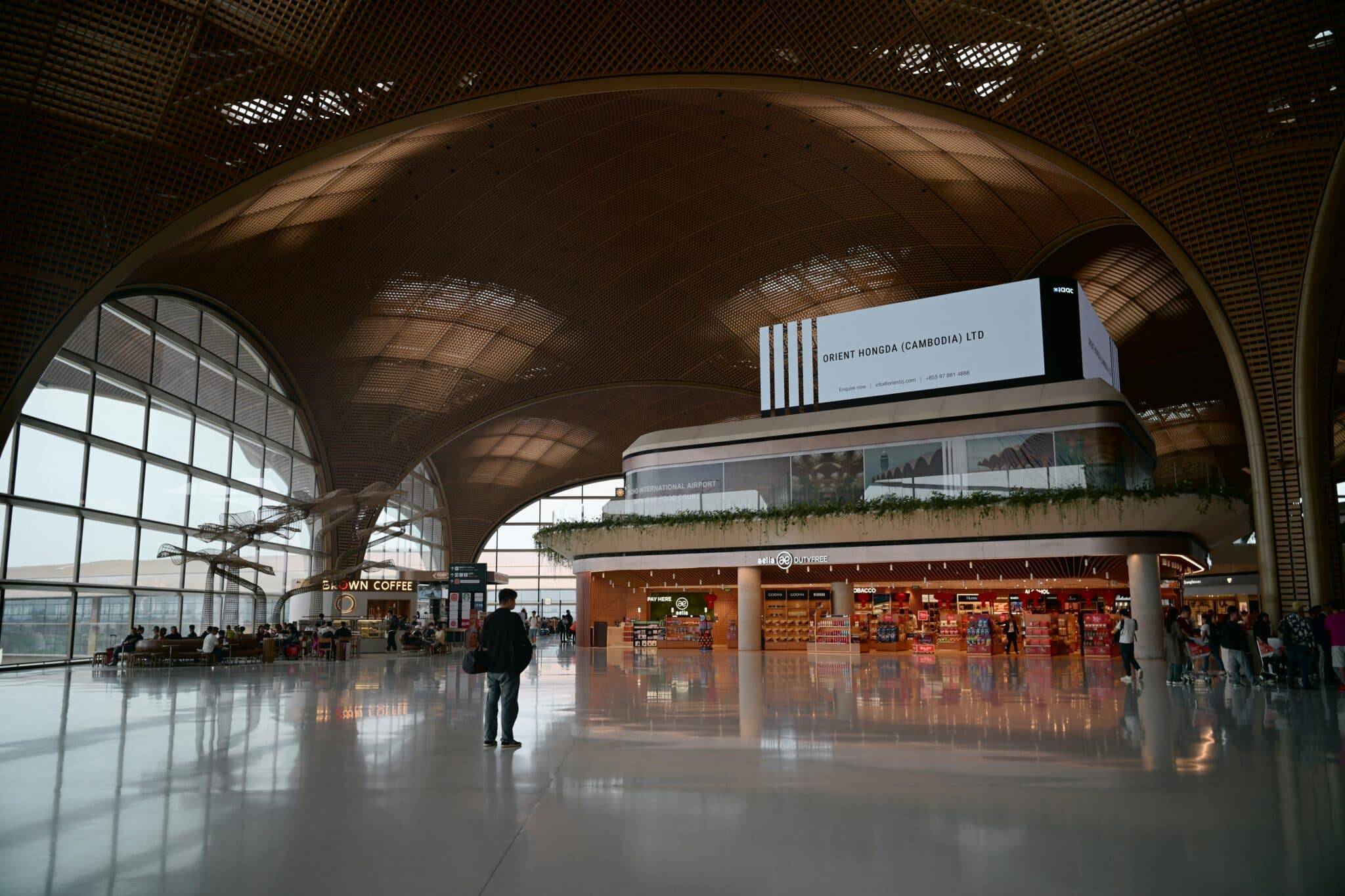
Passenger traffic. There is no second variable.
In 2020 the company’s revenue fell from CHF 8.85bn to CHF 2.56bn — more than 70% — because the shops stayed open and nobody walked past them. No amount of merchandising fixes that. A business with fixed concession commitments and no footfall is a fixed cost with a shopfront.
That fragility is now structural rather than exceptional. Every disruption to European aviation lands directly on this balance sheet: fuel spikes, air traffic control failures, the disruption that follows conflict in the Gulf, and the general softening visible in European carriers’ results this summer.
There is a regulatory horizon too. Duty-free exists because of a tax anomaly — the fiction that goods bought airside have left the country. The EU abolished intra-union duty-free in 1999, and the industry survived by pivoting to duty-paid and travel-exclusive ranges. Any future move on the remaining exemptions would hit the category directly, and European regulation has a habit of arriving faster than the businesses it touches expect.
What You Are Actually Buying
The uncomfortable answer is convenience and captivity, priced accordingly.
The genuine saving on spirits and tobacco is real, because the excise duty is genuinely not being paid. On perfume, cosmetics and confectionery — the categories that generate most of the profit — the discount against a competitive high street is frequently marginal or absent. You are paying for the fact that you are already there and cannot leave.
That is not a scandal. It is the deal every traveller implicitly accepts, and the reason airports can charge what they do for the right to stand in front of you.
The Bottom Line
My view is that Avolta has built something genuinely formidable and owns almost none of it, and that this is the whole story of the business.
The company has consolidated a fragmented industry with real skill. It can bid for an entire terminal when rivals can bid for a corner of one, and that scale advantage is durable. Twelve-year contracts in Riga and ten-year renewals in Zurich are evidence that airports value having one counterparty.
But look at what it has bought. Not shops — permission to trade in someone else’s building, for a fixed period, at a price set by an auction that repeats. Every contract that expires is a contract that can be lost, and the more profitable the last term looked, the more aggressive the next auction becomes.
That is the recurring European pattern this magazine keeps finding. The Dassler brothers built two of the world’s great brands and neither family kept its company. Europe builds the products and imports the ownership. Avolta is the operational version: superb at running the thing, structurally unable to own it.
Next time you take the winding route past the whisky, the layout was negotiated, the rent is paid on how many people walk past rather than how many buy, and the shop is there for a decade before somebody else bids for the same floor.
Related Analysis